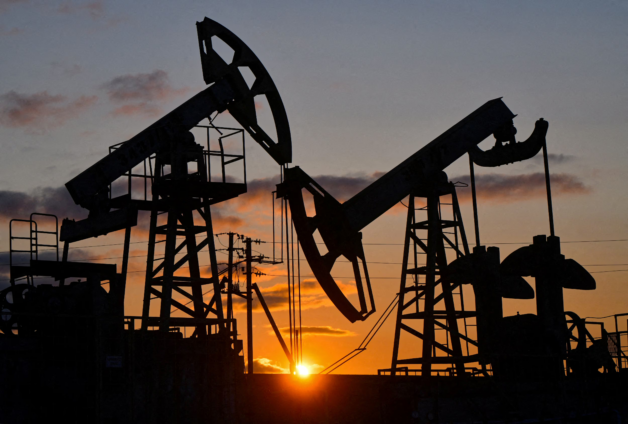
Global oil prices have climbed by 50 GHS per barrel this week, pushing ICE Brent crude above 76 dollars per barrel. Renewed US-Iran strikes have significantly slowed traffic through the critical Strait of Hormuz, triggering concerns about oil supply disruptions.
This price surge is driven by a returning Middle East risk premium, as market fears over supply shutdowns outweigh diplomatic efforts. The Strait of Hormuz is a vital shipping lane for a large portion of the world's oil. Disruptions here directly impact global oil availability and pricing. QatarEnergy’s LNG carriers like Al Ghariya, Duhail, and Al Ruwais have even turned back from the waterway, further signaling heightened risks.
This development adds to a complex global energy landscape impacting Ghana's economy, which relies heavily on imported oil for various sectors. Higher crude oil prices translate into increased costs for fuel at the pump, affecting transportation, manufacturing, and general consumer prices in Ghana. The International Energy Agency (IEA) has also adjusted its oil demand outlook, now forecasting a 1 million barrels per day drop in 2026 demand. However, they maintain a bullish view for this year as world oil supply is expected to fall by 3.7 million barrels per day.
The Ghana Report, citing market analysts, highlighted that the renewed US-Iran tensions are the primary catalyst for this price increase. "Oil’s calm is over as Middle East risks return," the publication stated, emphasizing the end of a period of relative stability in crude markets. This geopolitical uncertainty underscores the vulnerability of global energy markets to regional conflicts.
Moving forward, businesses and consumers in Ghana should prepare for potential upward pressure on fuel costs. Decision-makers will closely monitor the evolving situation in the Middle East and its impact on international crude oil prices. This volatility could influence the Bank of Ghana's monetary policy decisions and the government's fiscal planning. India's moves to expand its strategic petroleum reserves hint at broader concerns about crude supply stability. Similarly, Russia's recent one-month ban on diesel exports, prompted by Ukrainian drone strikes, has already sent European diesel prices to a 15-year high. These global events collectively create an environment of sustained energy market instability.