Global oil demand will decline in 2026 for the first time since 2020. The International Energy Agency (IEA) projects this significant downturn. This marks the first annual decline since the 2020 pandemic.
The IEA attributes this contraction to the ongoing conflict involving Iran. Hostilities in the Middle East have severely damaged production capacity. These conflicts have also disrupted critical export routes. The closure of the Strait of Hormuz is a main cause. This narrow waterway is vital for global energy transit. Its closure has crippled exports from the Persian Gulf.
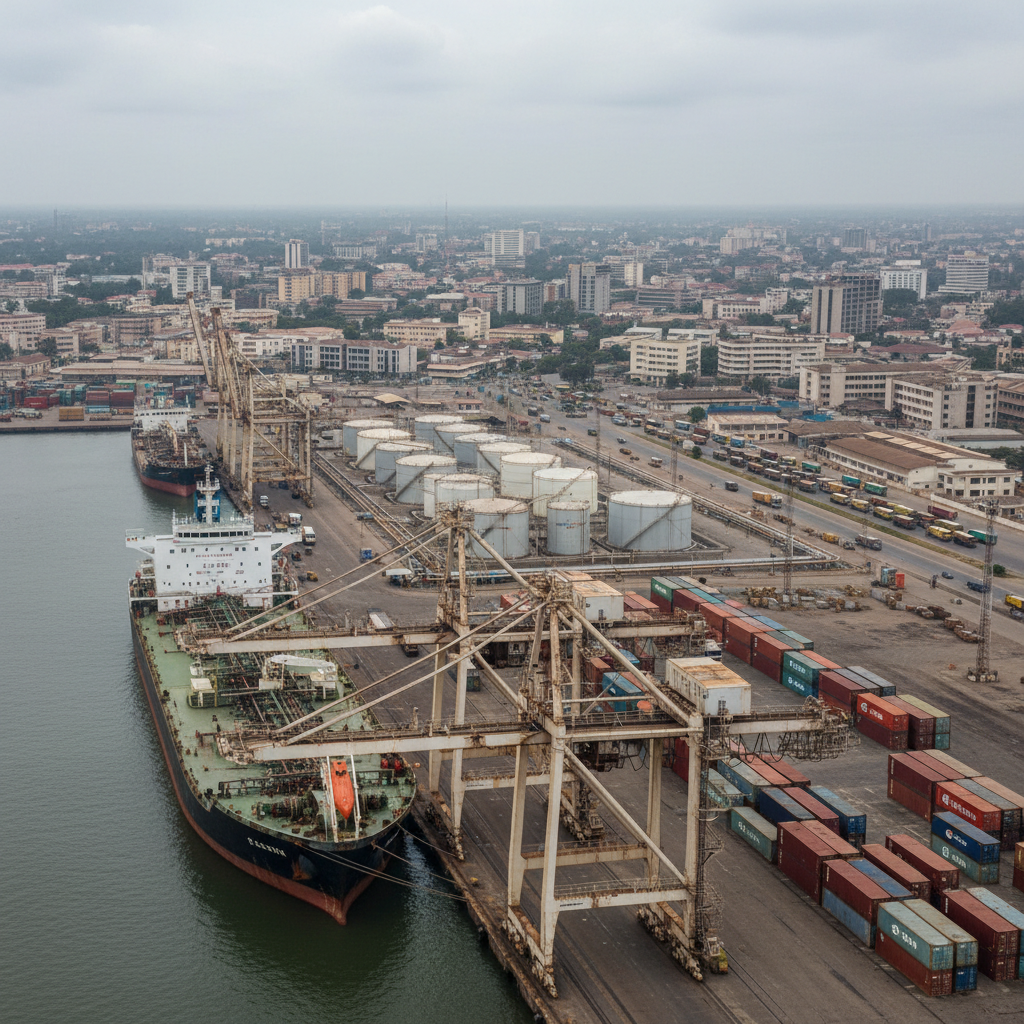
This expected decline fits into Ghana's broader economic narrative. High energy prices directly affect local inflation. Ghana is a net importer of refined petroleum products. Increased global oil prices put pressure on the Ghana cedi. This also drives up transport costs for businesses and households. African central banks, including the Bank of Ghana, must balance inflation control with economic growth. For many, high fuel costs threaten food security and household purchasing power.
The IEA report emphasizes the fragile state of the current market. “While the global oil market balance looks set to swing back to surplus towards the end of the year, the forecast hinges on the assumption that tanker flows through the Strait will gradually recover,” the agency noted. Toril Bosoni, IEA Head of Oil and Markets, described the situation as “very uncertain and unstable.” She believes a “swift or linear” recovery is unlikely. However, she sees a potential return to surplus by year-end due to growth from other producers. She also noted lower demand levels than expected before the war. This could offer relief to the market.
The implications are significant for decision-makers and markets. Oil prices could remain volatile depending on regional stability. Ghana's government will need to manage potential increases in fuel subsidies or consumer prices. Businesses face continued uncertainty regarding energy costs. Financial markets will closely watch for any de-escalation of tensions. A lasting peace agreement remains crucial for oil market normalisation. Renewed military exchanges this week underscore the region's volatility. Recent attacks on commercial vessels have reduced maritime traffic. Official projections rely on a ceasefire and shipping lane reopening. These conditions face constant threats from ongoing skirmishes between the United States and Iran.
Diplomatic efforts remain complex. The U.S. government expresses willingness for talks with Iran. Yet, direct military confrontations continue. Both nations have engaged in recent airstrikes. President Donald Trump declared the ceasefire with Iran “over” at the NATO summit. U.S. officials call Iran’s attacks on commercial vessels “acts of terrorism.” Markets reacted cautiously despite these high stakes. Brent crude futures for September delivery traded at $76.25 (GHS 870) per barrel. U.S. West Texas Intermediate futures were $72.09 (GHS 823).