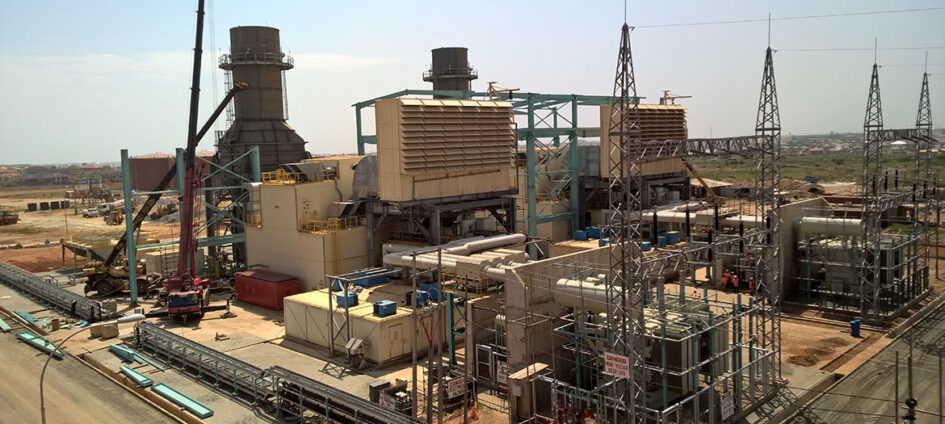
Ghana's government is developing a 1,200-megawatt state-owned combined-cycle gas-fired power plant. Finance Minister Dr. Cassiel Ato Forson announced this initiative during the 2026 Mid-Year Budget Review in Parliament on Thursday, July 23.
The plant, located at Kafodzidzi-Abrobeano in the Komenda-Edina-Eguafo-Abrem Municipality, aims to boost electricity generation and lower power costs. Feasibility studies have confirmed the project's viability, with preparatory work already underway.
This project is crucial for Ghana's energy security and economic stability. High electricity costs have long been a burden on businesses and households, impacting overall economic growth. The new plant represents a significant step towards addressing these challenges.
Dr. Forson stated that environmental, engineering, and permitting processes are progressing steadily. The first 600-megawatt phase of the project is expected to be commissioned in 2028. This phased approach allows for quicker integration into the national grid.
To reduce overall project costs, the government has directly secured gas turbines from GE Vernova. This direct procurement strategy has achieved savings of between 35% and 45% compared with third-party procurement. Such cost efficiency is vital for large-scale public infrastructure projects.
The Finance Minister highlighted the project's expected benefits, including lowering electricity generation costs. He projected a reduction in electricity tariffs by 10% to 20%. This will directly benefit consumers and industries across the country.
The power plant is also expected to create more than 2,000 direct and indirect jobs during its first phase. This employment generation will provide significant economic opportunities for local communities and skilled workers. It aligns with broader government efforts to stimulate economic activity.
This initiative forms part of the government's broader strategy to strengthen Ghana's energy infrastructure. A reliable and affordable electricity supply is fundamental for industrial growth and improved living standards. Ghana has faced intermittent power supply challenges, known as 'dumsor', in the past, making this investment critical.
The development of this large-scale gas power plant signals a commitment to energy self-sufficiency. It also positions Ghana to better manage its energy resources in the coming decades. The project's success will be closely watched by investors and citizens alike.
The government's focus on state-owned energy assets reflects a strategic decision to maintain control over critical infrastructure. This approach aims to ensure long-term stability and affordability in the energy sector. Future energy policies will likely build on the outcomes of this significant investment.