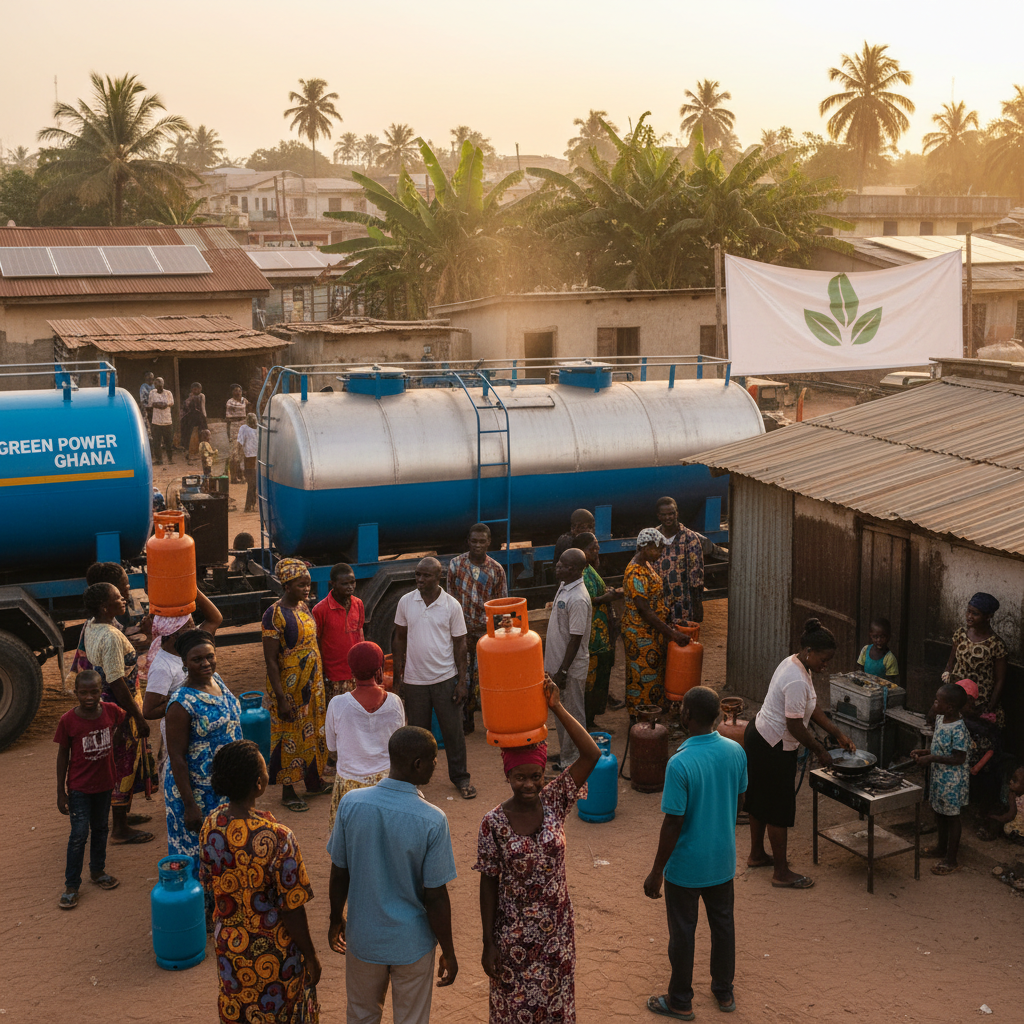
Ghana’s Energy Minister, Dr. John Abdulai Jinapor, has intensified calls for a rapid transition to cleaner cooking alternatives, targeting 50% national Liquefied Petroleum Gas (LPG) adoption by 2030. This initiative aims to shift away from traditional biomass fuels, which include firewood and charcoal. The Ministry of Energy and Green Transition reports that Ghana's current national LPG penetration stands at 43%.
This push is a core pillar of the country's National Energy Transition Framework. Replacing biomass fuels with LPG helps protect forest cover and improve respiratory health outcomes for Ghanaians. It also significantly reduces carbon emissions, contributing to the nation's environmental goals.
The current push fits into Ghana's broader economic strategy to foster sustainable development and reduce environmental degradation. Data from the Ministry of Energy and Green Transition indicates a steady increase in LPG usage over recent years. This trend reflects a global shift towards cleaner energy sources and aligns with international climate commitments. The government’s ongoing investments in energy infrastructure support this transition, aiming for long-term economic and environmental benefits.
Dr. Jinapor emphasized the benefits of this shift at the National LPG Forum organized by the National Petroleum Authority (NPA). He stated, “LPG remains one of the most environmentally friendly, viable, and immediately accessible cooking solutions to protect our forest cover, improve respiratory health outcomes, and reduce carbon emissions.” This statement underscores the strategic importance the government places on LPG as a transitional fuel.
To overcome accessibility and safety barriers, the government is heavily promoting the Cylinder Recirculation Model (CRM). This model allows users to exchange empty LPG cylinders for safely pre-filled ones at designated distribution points. Substantial investments have established commercial Cylinder Recirculation Plants in Tema and Kumasi. These facilities can now fill over 12,800 cylinders daily, streamlining the supply chain and increasing availability.
Furthermore, under the Liquefied Petroleum Gas for Development initiative, the Ministry has partnered with international donors. This partnership aims to distribute two million domestic cookstoves and 200,000 commercial-sized stoves to first-time users by 2030. The government has also mobilized GHS 72 million (six million dollars) of an estimated GHS 96 million (eight million dollars) required to retool the Ghana Cylinder Manufacturing Company Limited (GCMC). This investment prepares the ground to eventually ban the import of external cylinders, boosting local industrial jobs and manufacturing capabilities.
Despite these efforts, market leaders like the Chamber of Oil Marketing Companies (COMAC) have identified retail pricing and sector taxes as significant hurdles for lower-income households. These factors can deter widespread adoption, particularly in rural areas. Dr. Jinapor acknowledged these concerns, affirming that the ministry continuously reviews fiscal frameworks. This review aims to strike a balance between ensuring affordability for consumers and maintaining infrastructure sustainability.
This initiative represents a pivotal step in Ghana's green transition, with potential implications for public health, economic development, and environmental protection. Decision-makers and markets will watch closely to see how the government balances affordability with infrastructure investment. Success could establish a blueprint for similar socio-economically sound green transitions across West Africa. Progress on the Cylinder Recirculation Model and the GCMC retooling will be key indicators of this strategy’s effectiveness.