Ghana aims to complete a 1,200-megawatt (MW) combined-cycle thermal power generation project by 2029. This significant infrastructure development is designed to bolster the national power supply and reduce the cost of electricity for consumers.
The project will provide Ghana with additional generation capacity. It will also strengthen the stability of the national power supply. This move is expected to decrease the country’s dependence on costly power arrangements.
This initiative fits into Ghana's broader economic strategy to ensure reliable and affordable energy. Stable power supply is crucial for industrial growth and attracting investment. Ghana currently has about 90 percent electricity access, targeting universal access by 2030.
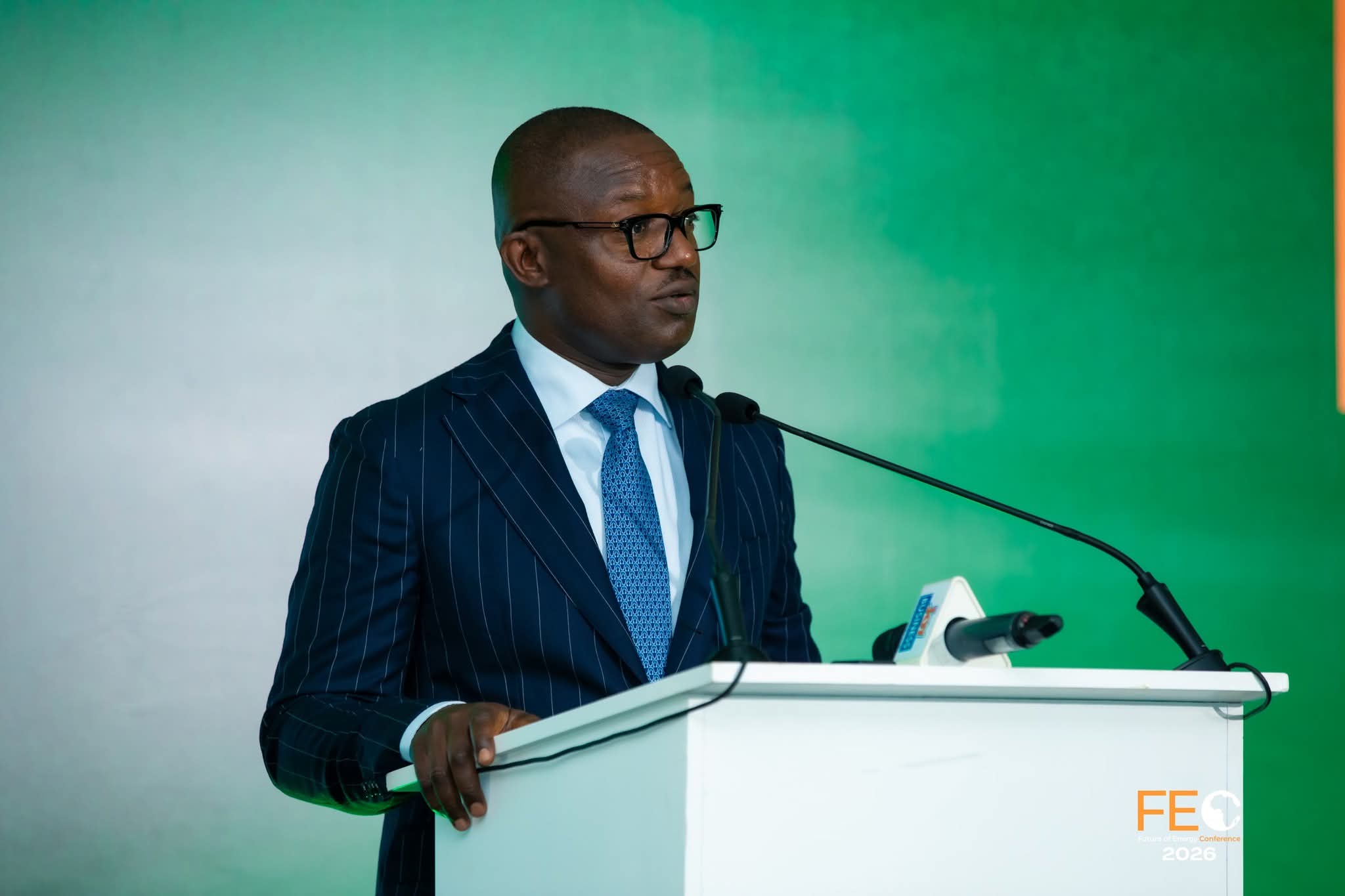
Dr. John Abdulai Jinapor, the Minister of Energy and Green Transition, confirmed the 2029 completion target. He stated, "We have taken an ambitious policy to procure 1,200 megawatts of thermal capacity with combined cycle on our own as a country." Dr. Jinapor added that this project will reduce the cost of power and be a "game-changer."
The completion of this project promises several key implications. It could lead to more stable electricity tariffs for businesses and households. This stability supports economic planning and reduces operational costs for industries. Decision-makers will monitor its progress closely, especially regarding financing and execution.
However, experts urge caution against relying solely on new power plants. Ben Boakye, Executive Director of the Africa Centre for Energy Policy (ACEP), called for innovative financing mechanisms. He emphasized that reducing energy costs does not always require another power plant. Significant savings can come from better contracts and financing arrangements.
Mr. Boakye also highlighted the need for improved risk allocation in energy projects. He argued that better structures can balance government and investor interests. This approach ultimately reduces the cost burden on consumers. He also cautioned against exaggerated assumptions about risks in African energy markets.
The 2026 Future of Energy Conference (FEC) in Accra focused on these very issues. The conference theme was "Powering Africa’s Industrial Transformation: Energy Systems for Value Addition and Competitiveness." Discussions centered on structural factors driving energy costs and infrastructure gaps.
Speakers at the FEC agreed that Africa’s mineral wealth offers a unique opportunity. Resources critical for renewable technologies and green hydrogen can help the continent. This allows Africa to move beyond exporting raw materials and capture higher-value segments. Repositioning Africa’s energy systems for competitive industrial energy systems was a key discussion point.
The government's commitment to this 1,200MW project underscores its focus on energy security. This project is vital for Ghana's long-term industrialization goals. It aims to provide the necessary power backbone for sustained economic development. The successful implementation will be a critical test of Ghana's energy policy.