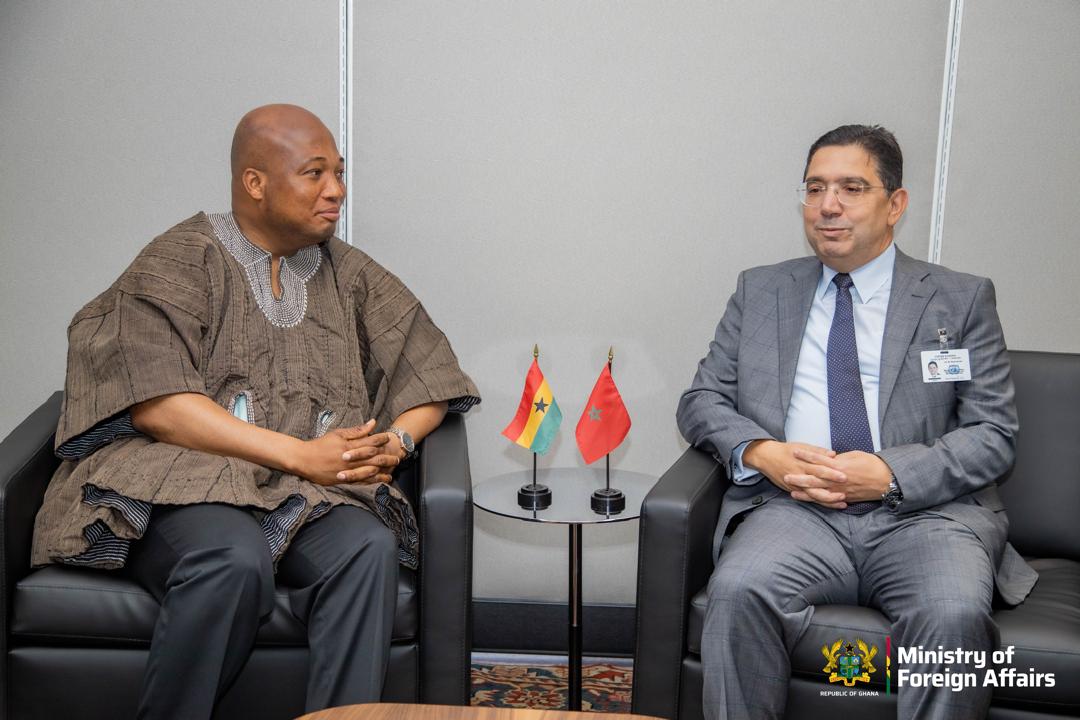
Ghana aims to increase its solar energy contribution to 10% of its national energy mix. This significant target was announced during the Second Session of the Permanent Joint Commission for Cooperation (PJCC) held in Accra on July 21, 2026. The current renewable energy contribution stands at approximately 2%.
This ambitious goal is part of 11 agreements signed between Ghana and Morocco, designed to strengthen bilateral relations across various sectors. The cooperation focuses on energy, health, agriculture, and trade. Ghana seeks to leverage Morocco's advanced experience in renewable energy development to achieve its solar power objectives.
The push for increased solar energy aligns with Ghana's broader economic strategy to diversify its energy sources and enhance energy security. This move is crucial for sustainable development and reducing reliance on traditional fossil fuels. The collaboration with Morocco, a country where 40% to 42% of energy comes from renewable sources, provides a valuable blueprint for Ghana's energy transition.
Ghana's Minister for Foreign Affairs, Samuel Okudzeto Ablakwa, highlighted President John Dramani Mahama's directive to expand the partnership into three strategic areas. These include energy cooperation, pharmaceutical manufacturing, and the effective implementation of bilateral agreements. Mr. Ablakwa emphasized that Morocco's expertise in renewable energy offers critical lessons for Ghana's solar expansion.
Beyond solar energy, the discussions also focused on the strategic Africa Atlantic Gas Pipeline project. This initiative is seen as more than just energy infrastructure; it aims to enhance regional integration and improve energy security across West Africa. The pipeline will provide reliable access to natural gas, supporting industrialization and the development of gas-derivative industries, such as fertilizer production, which boosts agricultural productivity.
Another key area of cooperation is pharmaceutical manufacturing, with a strong emphasis on achieving health sovereignty for Africa. Mr. Ablakwa stressed the need for Africa to reduce its dependence on external suppliers for vaccines and medicines. He noted that while countries like Morocco have invested heavily in vaccine production facilities, African products still require certification from non-African institutions.
This situation underscores the urgent need for an African Union certification framework. Such a framework would allow African regulatory institutions to assess and approve continentally produced vaccines and pharmaceuticals. This would strengthen Africa's resilience during future health emergencies and is a priority for Ghana as it prepares to assume the chairmanship of the African Union.
Morocco's Minister of Foreign Affairs, Nasser Bourita, echoed these sentiments, stating that Morocco has the capacity to produce over 100 million vaccine doses. He supported Ghana's call for stronger African regulatory mechanisms to achieve self-reliance in vaccine production. Mr. Bourita also highlighted Morocco's target of reaching 54% renewable energy by 2030, sharing both successes and challenges from their energy transition.
The success of this renewed partnership will depend on the effective implementation of the signed agreements. Officials from both countries are tasked with developing clear roadmaps to translate these commitments into tangible benefits for businesses, institutions, young people, and citizens. This comprehensive approach aims to drive Africa's development through practical cooperation rather than external dependence.