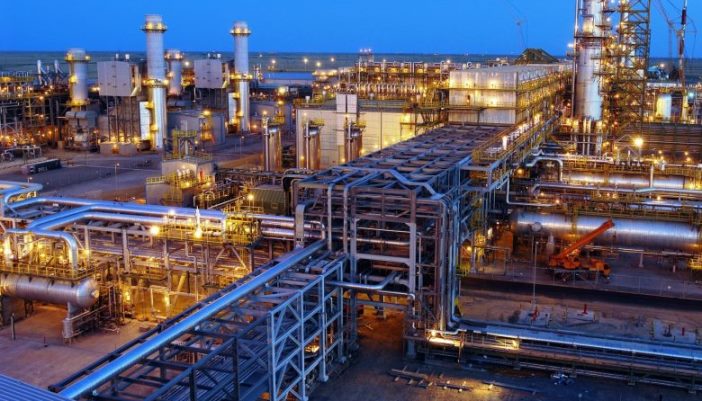
Ghana's current petroleum refining capacity can meet approximately 60% of the nation's daily fuel demand, according to the Centre for Environmental Management and Sustainable Energy (CEMSE). This assessment highlights that Ghana will still rely on imported finished petroleum products despite ongoing efforts to boost local production.
The country consumes between 120,000 and 140,000 barrels of petroleum per day. Even if existing refineries, including Tema Oil Refinery (TOR) and Sentuo Oil Refinery, operated at full capacity, a significant supply gap would remain. This situation underscores the continued need for imports to satisfy national consumption.
This development fits into Ghana's broader economic strategy to enhance energy security and retain more value within its petroleum sector. The government aims to reduce dependence on imported products and potentially establish Ghana as a regional processing hub. However, the global nature of crude oil pricing and the deregulated downstream market mean that local production does not automatically insulate consumers from international price fluctuations.
Benjamin Nsiah, Executive Director of CEMSE, stated, "At full capacity, looking at our current consumption of about 120,000 barrels a day to 140,000 barrels a day, they are likely going to do about 60 per cent of our daily demand." He cautions against assuming that increased refining capacity will immediately protect Ghana from international fuel price volatility. The cedi-dollar exchange rate also plays a critical role, as crude oil and petroleum products are priced in US dollars. A weaker cedi increases the local cost of feedstock and imported products, impacting consumer prices.
The immediate benefits of expanded domestic refining are likely to be improved supply security and reduced logistical costs associated with importing finished products. Shorter supply chains and reduced freight exposure can make Ghana less vulnerable to disruptions in international product markets. Furthermore, local refining can retain refining margins, create employment, and stimulate associated industrial activity within the Ghanaian economy.
Recent progress at TOR and Sentuo Oil Refinery has fueled optimism for significant expansion. Sentuo plans a second phase to increase its processing capacity from about 40,000 barrels per day to 100,000 barrels. TOR has also reported a profit after tax of GHS 1.24 billion following operational reforms, offering encouragement after years of financial struggles and intermittent operations.
If both TOR and Sentuo successfully implement their expansion plans, Ghana could achieve self-sufficiency and even become a net exporter of refined petroleum products. Mr. Nsiah noted, "If they are able to do, as TOR has proposed, about an additional 100,000 barrels, and Sentuo is also adding, then these two companies will likely be able to exhaust our daily demand and even export." This outcome would fundamentally transform Ghana's petroleum balance, shifting it from heavy reliance on imports to a potential regional supplier.
West Africa presents a natural market for potential exports, as several countries in the sub-region still depend on imported refined products despite being crude producers. This creates an attractive opportunity for efficiently operated refineries with access to reliable ports and transport infrastructure. However, the success of this vision hinges on sustained and efficient refinery operations, a challenge that TOR's history underscores.
Decision-makers and markets will closely watch the progress of these refinery expansions and their impact on Ghana's energy landscape. The ability to manage currency fluctuations and global oil price movements will remain crucial for ensuring stable domestic fuel prices for consumers and businesses.