Ghana's long-term power security depends on integrating domestic gas, electricity infrastructure, and regional power trade. The government settled US$1.47 billion in legacy energy obligations during 2025. This action restored confidence among independent power producers and gas suppliers.
This settlement reduced the immediate risk of fuel delivery interruptions and electricity generation stoppages. However, financial resolution alone does not remove Ghana’s underlying structural vulnerabilities. Thermal plants still require a dependable gas supply, and electricity must move through an aging transmission and distribution system.
This situation fits into Ghana's broader economic story of managing critical infrastructure and public finances. The country has historically faced challenges with energy sector debt and unreliable power supply, often referred to as 'dumsor'. Ensuring stable power is vital for economic growth and attracting foreign investment.
Ore Onagbesan, Programme Director of African Energy Week, stated that African countries cannot solve their energy challenges in isolation. She emphasized that cross-border pipelines, interconnected grids, and regional power pools are necessary to improve security and create larger markets for investment. For Ghana, regional integration is a practical component of national energy security.
What happens next involves continued focus on these three interconnected areas. Decision-makers will need to ensure predictable payments to gas producers and invest in infrastructure upgrades. The proposed second gas-processing plant will be a key development to watch. Its success depends on clear plans for gas availability, pricing, and financing.
Gas remains the foundation of thermal power generation in Ghana. The country's electricity system combines hydro, thermal generation, solar, and imports from Côte d’Ivoire. Thermal plants use natural gas and liquid fuels, making a reliable gas supply critical for power cost and availability. Domestic gas from offshore fields has reduced reliance on imported liquid fuels, but the system remains exposed to production interruptions.
When gas supply falls, power producers may use more expensive alternative fuels or reduce generation. The resulting cost is eventually carried by the government, utilities, businesses, or consumers. The 2025 settlement of outstanding gas invoices helped restore supplier confidence. However, sustainable gas security requires a market where producers are paid predictably and infrastructure is maintained.
The Ministry of Energy and Green Transition has described the proposed second gas-processing plant as an effort to expand domestic processing capacity. This project aims to strengthen energy security for power and industrial development. However, several questions remain about its viability, including gas availability, purchase agreements, pricing, and financing.
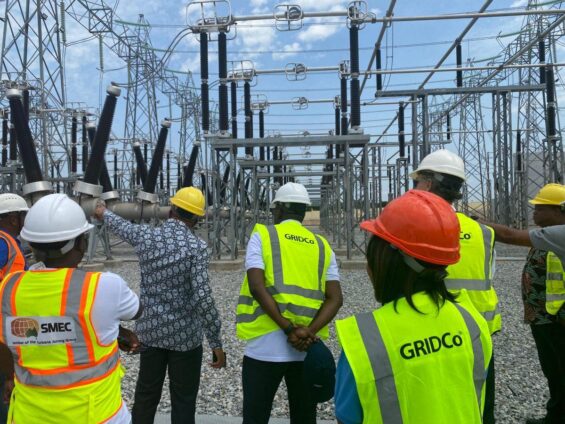
Electricity reliability involves more than just generation capacity. Electricity must also pass through transmission lines, substations, transformers, and distribution networks. Weakness at any point can cause outages even when generation capacity is available. The Electricity Company of Ghana (ECG) has announced a GHS 3.46 billion reliability programme.
This program aims to increase network capacity and address distribution challenges. ECG has also commissioned or upgraded transformers in several operational areas during 2026. These investments respond to real network pressures, especially in rapidly growing urban areas. Ghana needs stronger coordination between generation planning and distribution expansion.
New power plants add limited value if electricity cannot be delivered reliably. Distribution upgrades will not resolve shortages if gas supplies to thermal generators are unstable. The entire system must be planned as one integrated chain. Regional trade also serves as a security instrument for Ghana.
Ghana already participates in regional electricity and gas arrangements. It imports electricity from Côte d’Ivoire and receives gas through the West African Gas Pipeline. This pipeline links Nigeria with Benin, Togo, and Ghana. These connections provide alternatives when domestic supply is constrained.
Cross-border energy trade has faced challenges like supply interruptions and payment problems. A regional agreement is only useful when countries can depend on it during periods of stress. The World Bank argues that regional energy projects can create larger markets and improve economies of scale. They also expand access when supported by political commitment and effective regulation.
For Ghana, the benefit is straightforward. The country does not need to build every unit of reserve capacity within its borders. It can trade reliably with neighboring systems. Regional connections can help balance hydro, gas, and renewable generation across several countries. They also make larger infrastructure projects more attractive to investors.