Ghana has settled US$1.47 billion in legacy energy obligations during 2025, restoring confidence among independent power producers and gas suppliers. This action reduced the immediate risk of fuel delivery interruptions and electricity generation halts. However, this financial settlement does not eliminate Ghana’s underlying structural vulnerabilities in its power sector.
The nation's long-term power security now critically depends on the coordinated integration of three key components: domestic gas supply, robust electricity infrastructure, and effective regional power trade. These elements have historically been managed in isolation, hindering a holistic approach to energy stability. Addressing these interconnected challenges will be a major focus for Ghana at African Energy Week 2026.
Ghana’s electricity system combines hydro, thermal generation, solar, and imports from Côte d’Ivoire. Thermal plants, which rely on natural gas and liquid fuels, make reliable gas supply critical for power cost and availability. Domestic gas from offshore fields has reduced reliance on imported liquid fuels, but the system remains exposed to production interruptions and infrastructure constraints. When gas supply falters, power producers often resort to more expensive alternative fuels or reduce generation, leading to increased costs for the government, utilities, businesses, and consumers.
Ore Onagbesan, Programme Director of African Energy Week, emphasizes that African countries cannot solve energy challenges in isolation. She advocates for cross-border pipelines, interconnected grids, and regional power pools to improve security and create larger markets for investment. For Ghana, regional integration is not merely a Pan-African ideal but a practical necessity for national energy security.
The government’s 2025 settlement of outstanding gas invoices helped stabilize supplier confidence. However, sustainable gas security requires a market where producers receive predictable payments, infrastructure is maintained, and fuel planning aligns with electricity demand. The proposed second gas-processing plant is a significant development in this regard. The Ministry of Energy and Green Transition views this project as part of an effort to expand domestic processing capacity and strengthen energy security for both power and industrial development. Key questions remain about gas availability, purchasing agreements, pricing, potential industrial users beyond the power sector, and financing obligations for the state.
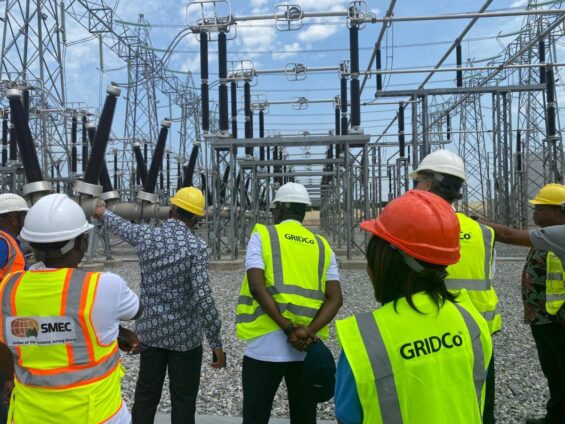
Electricity reliability extends beyond mere generation capacity. Power must traverse transmission lines, substations, transformers, and distribution networks to reach consumers. Weaknesses at any point in this chain can cause outages, even when generation capacity is ample. ECG has announced a GHS 3.46 billion reliability programme to enhance network capacity and address distribution challenges. The company has also commissioned or upgraded transformers in several operational areas during 2026. These investments are crucial for addressing network pressures, particularly in Ghana's rapidly expanding urban areas. Stronger coordination between generation planning and distribution network development is essential for a truly reliable power system.