Ghana's Ministry of Energy and Green Transition has successfully reduced electricity generation costs through ongoing power sector reforms. Tariffs for renewable energy have decreased from 18 cents to 6.5 cents, representing a 64 percent reduction. Thermal plant generation costs are now capped at 10 cents per kilowatt-hour, down from a previous range of 13 to 15 cents.
These significant tariff reductions are a direct result of government efforts to renegotiate power purchase agreements. The aim is to enhance the financial health of the power sector and ensure more affordable electricity for consumers. This move directly addresses long-standing concerns about high energy costs impacting businesses and households across the nation.
The reforms align with Ghana's broader economic strategy to achieve fiscal sustainability and stimulate industrial growth. High electricity costs have historically been a major impediment to manufacturing and other productive sectors. Lower generation costs are expected to free up resources for other critical public services and private sector investment, boosting overall economic competitiveness.
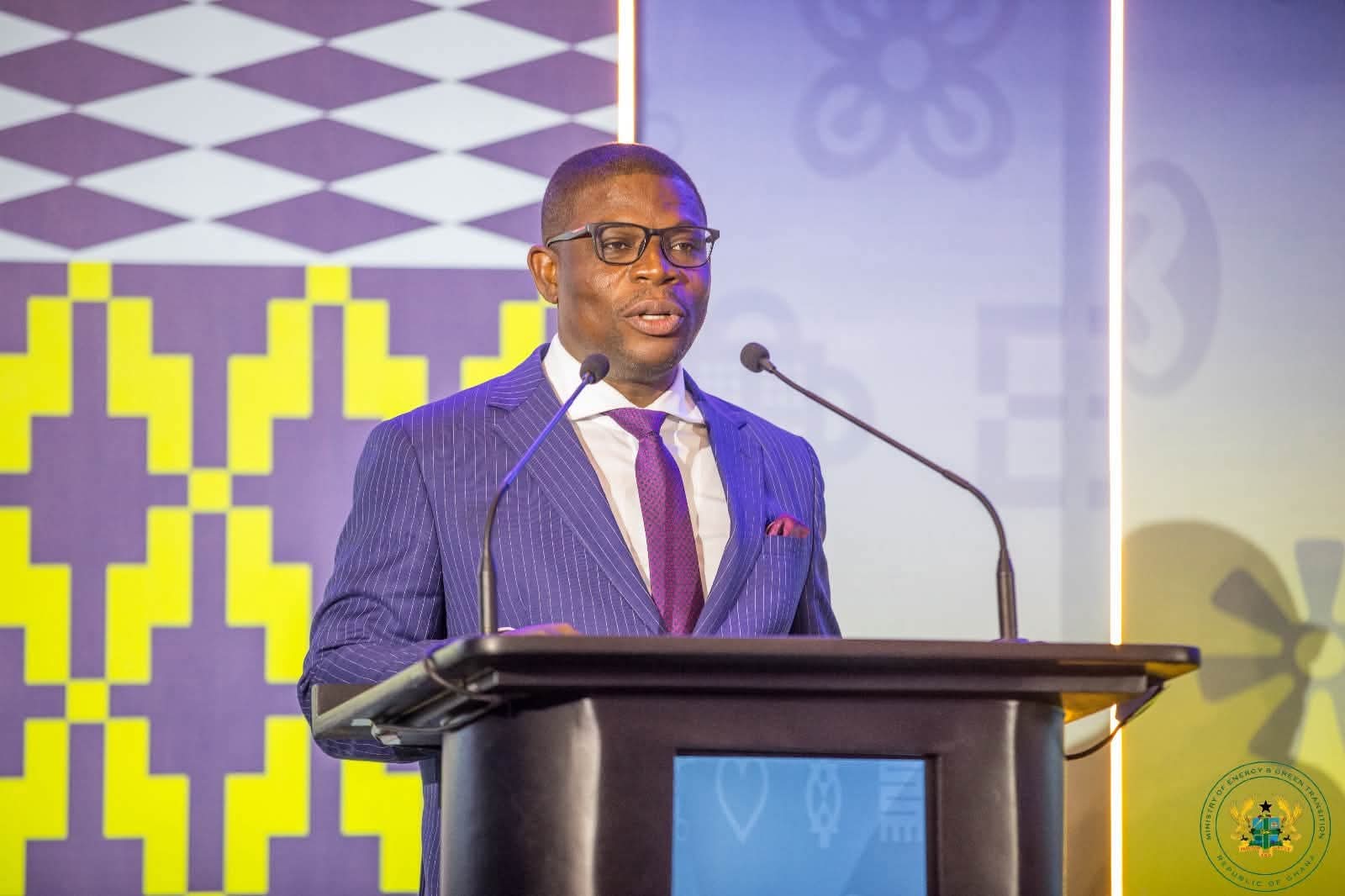
Deputy Minister for Energy and Green Transition, Richard Gyan-Mensah, confirmed these savings at the 60th Annual General Meeting of the Association of Power Utilities of Africa (APUA) in Accra. He stated, "There have been significant savings in electricity tariffs. The tariff for renewable energy has been reduced from 18 cents to about 6.5 cents, and that represents huge savings."
The immediate implication is improved financial stability for state-owned power utilities, potentially reducing the need for government subsidies. This will also likely lead to more stable and predictable electricity prices for consumers and businesses. The government will closely monitor the impact on the national budget and the broader economy.
The reforms also contribute to Ghana's energy transition goals by making renewable energy more competitive. The Chief Executive of the Volta River Authority (VRA), Edward Ekow Obeng-Kenzo, emphasized the complementary roles of nuclear and renewable energy for Africa's energy security. He noted that these sources are crucial for climate resilience and green industrialisation.
Ghana is hosting approximately 200 chief executives and technical directors from African power utilities for the APUA meetings. Discussions focus on strengthening regional electricity markets, improving regulatory frameworks, and fostering strategic partnerships. Participants are also exploring ways to accelerate the continent's energy transition.
The Director-General of APUA, Abel Didier Tella, highlighted the critical link between energy sector transformation and economic growth. He stressed that robust electric power is fundamental for industrial development across Africa. Without a transformed energy sector, achieving meaningful economic growth will remain challenging.
African power utilities were urged to strengthen governance, deepen regional cooperation, and embrace digitalisation. Investing in sustainable energy solutions is also crucial to improve electricity supply continent-wide. Ghana has committed to sharing its reform experiences and learning from other African utilities' best practices.
These ongoing reforms are a key component of Ghana's efforts to create a more resilient and efficient energy sector. The long-term success will depend on sustained political will and continued investment in infrastructure and technology. The government's commitment to these changes signals a positive outlook for energy affordability and economic development.