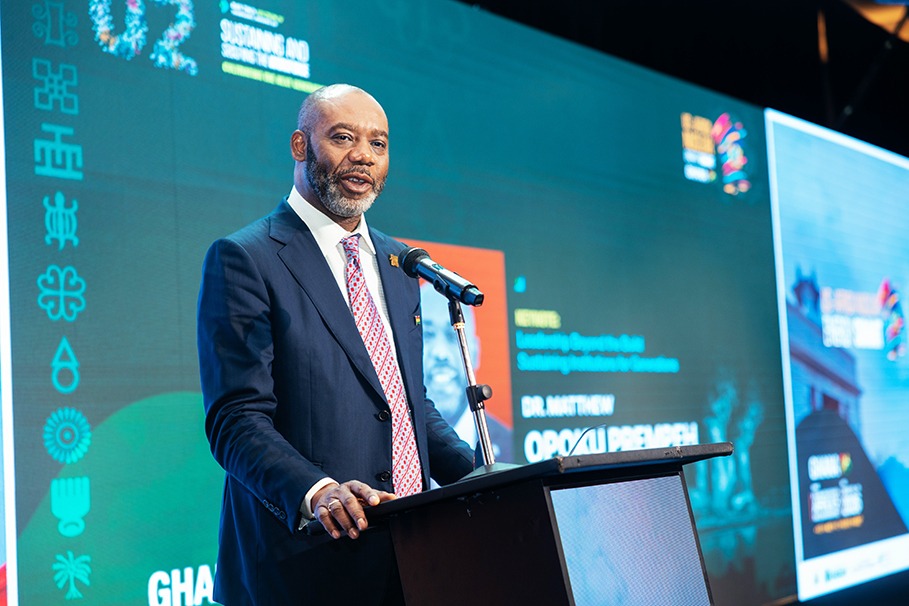
Dr. Matthew Opoku Prempeh, Ghana's former Minister for Energy, has declared that Africa's nuclear energy future hinges on developing a robust, homegrown workforce. He delivered this message at the 2026 US-Africa Nuclear Energy Summit held in Accra.
Prempeh argued that the primary challenge for nuclear power is not merely building reactors but sustaining the institutions that will manage these facilities for decades. He emphasized that a successful nuclear programme directly results from a nation's talent ecosystem. The summit, organized by the United States, focused on "Building and Sustaining Africa's Nuclear Workforce."
This focus aligns with Ghana's broader energy strategy, which seeks to diversify its power sources and ensure long-term energy security. Ghana, like many African nations, is exploring nuclear power to meet growing electricity demand and reduce carbon emissions. The country's commitment to energy independence is a key driver for such initiatives.
Dr. Prempeh, known as NAPO, asserted that "nuclear begins in the classroom." He drew on his experience in Ghana's education and energy sectors to highlight this point. He stated that youth must be prepared from an early age for the rigorous demands of this specialized field.
He cautioned that Africa's nuclear ambition, driven by a desire for low-carbon energy and the continent's uranium resources, cannot be realized without a clear focus on human capital. Prempeh noted that the transition to nuclear power is a socio-economic evolution requiring a robust workforce. He identified the "workforce gap" as the greatest system risk facing the global nuclear industry.
Without a deliberate strategy for "sustaining and securing the workforce," even advanced projects risk failure. Prempeh urged leaders to move beyond reactive hiring. Instead, they should focus on proactive, long-term talent retention and development. He proposed training people to lead, not just to operate, in the future.
This distinction is critical for identifying and nurturing individuals who can navigate complex regulatory and geopolitical landscapes. Establishing clear progression routes can inspire bright minds to pursue lifelong careers in the nuclear sector. This approach ensures a steady supply of skilled professionals.
Dr. Prempeh called for a "single pool of talents" integrating traditional nuclear science with cutting-edge digital disciplines. He specifically identified cybersecurity, data analytics, and Artificial Intelligence (AI) as essential skills. These multidisciplinary skills equip the workforce to handle the complexities of a 21st-century energy grid.
His keynote address also stressed that leadership extends beyond technical excellence. Future leaders must possess "digital leadership" qualities. This involves understanding how technology and policy intersect. Such understanding ensures nuclear institutions remain ethical, transparent, and efficient.
Collaboration is a vital piece of the puzzle, Prempeh stated. Partnerships must accelerate between African nations and international allies. He called for progressive technology transfer and stressed the need for nations to legislate comprehensive frameworks. These frameworks ensure safety and security in nuclear operations. Global ties, exemplified by the U.S. Department of Energy and the Atlantic Council, help bridge the technical divide.
Dr. Prempeh's concluding remarks focused on "localisation" for sustainability. He argued that nuclear energy must be supported by local expertise and advocacy. Empowering youth to become "change makers" enables Africa to build a nuclear legacy that is both technically sound and fundamentally its own. This ensures long-term benefits for the continent.