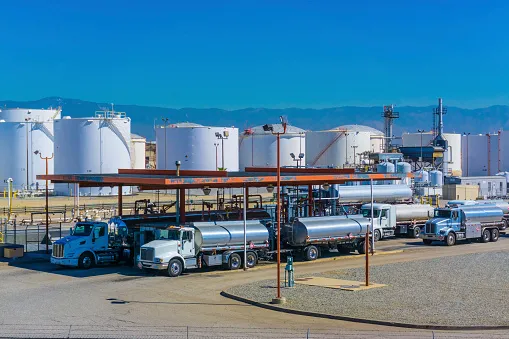
Ghana’s downstream petroleum sector is losing an estimated GHS 3 million every month. These losses stem from weaknesses in an outdated fuel tracking system. This raises new concerns about revenue leakages, product shortages, and potential fuel contamination.
The Center for Environmental Management and Sustainable Energy (SEMSE) issued this warning. Industry players are increasingly worried about the reliability of current fuel monitoring systems. These systems track petroleum products from depots to distribution points. Recurring discrepancies in fuel volumes show that Ghana’s monitoring infrastructure is no longer suitable. This exposes the sector to avoidable financial and operational risks.
This situation adds to Ghana's ongoing fiscal pressures. The country seeks to strengthen efficiency across critical economic sectors. It also aims to protect public revenue and reduce losses in state-linked operations. Petroleum distribution is vital for transport, manufacturing, mining, agriculture, power generation, and household activities. Any disruptions or quality compromises can quickly affect prices, productivity, and consumer confidence. This issue highlights the need for better governance and accountability in state-owned enterprises.
Benjamin Nsiah, Executive Director of SEMSE, stated his organization’s findings. He said intelligence points to monthly shortages worth approximately GHS 3 million in petroleum products. These shortages occur during transport between key facilities, including routes from Accra to Kumasi. Nsiah noted these losses affect many actors in the petroleum value chain. These include tanker owners, transport operators, fuel marketers, and consumers. Consumers, in particular, bear the cost of system inefficiencies.
Industry stakeholders also worry about alleged fuel contamination. This is reportedly occurring within parts of the distribution network. The Bulk Energy Storage and Transportation Company (BOST) routes are of particular concern. BOST is state-owned and crucial for storing and transporting petroleum products nationwide. Any weakness in monitoring or quality assurance becomes a national economic concern.
SEMSE urges the National Petroleum Authority (NPA) and BOST to act. They call for faster deployment of a technology-driven fuel tracking system. Such a system would offer live monitoring of product volumes from loading to final destinations. It would use electronic monitoring for fuel compartments. This would allow a central control room to detect unauthorized access, suspicious route deviations, delayed delivery, volume discrepancies, or tampering. SEMSE believes this system would improve accountability, reduce revenue leakages, and simplify enforcement for regulators.
The alleged losses also bring up important governance questions. Who is tracking these GHS 3 million monthly losses? Are the figures being reconciled by BOST, transporters, marketers, and regulators? Are affected parties receiving compensation? What penalties exist for those found tampering with fuel products or delivery systems? The NPA and BOST may need to address these questions as industry pressure grows. Contaminated fuel can damage engines, raise maintenance costs, and undermine public trust. It can also create safety and environmental risks. Ghana relies heavily on petroleum products. Therefore, confidence in the supply chain’s integrity is essential. SEMSE’s warning shows that Ghana’s downstream petroleum infrastructure needs to modernize to match the market's scale and complexity.