The Ghanaian government has paid GHS 12.4 billion into the nation's energy sector. This significant investment aims to stabilize electricity supply and clear outstanding debts. Concurrently, the government has secured more than US$3.5 billion in new upstream oil and gas investment commitments.
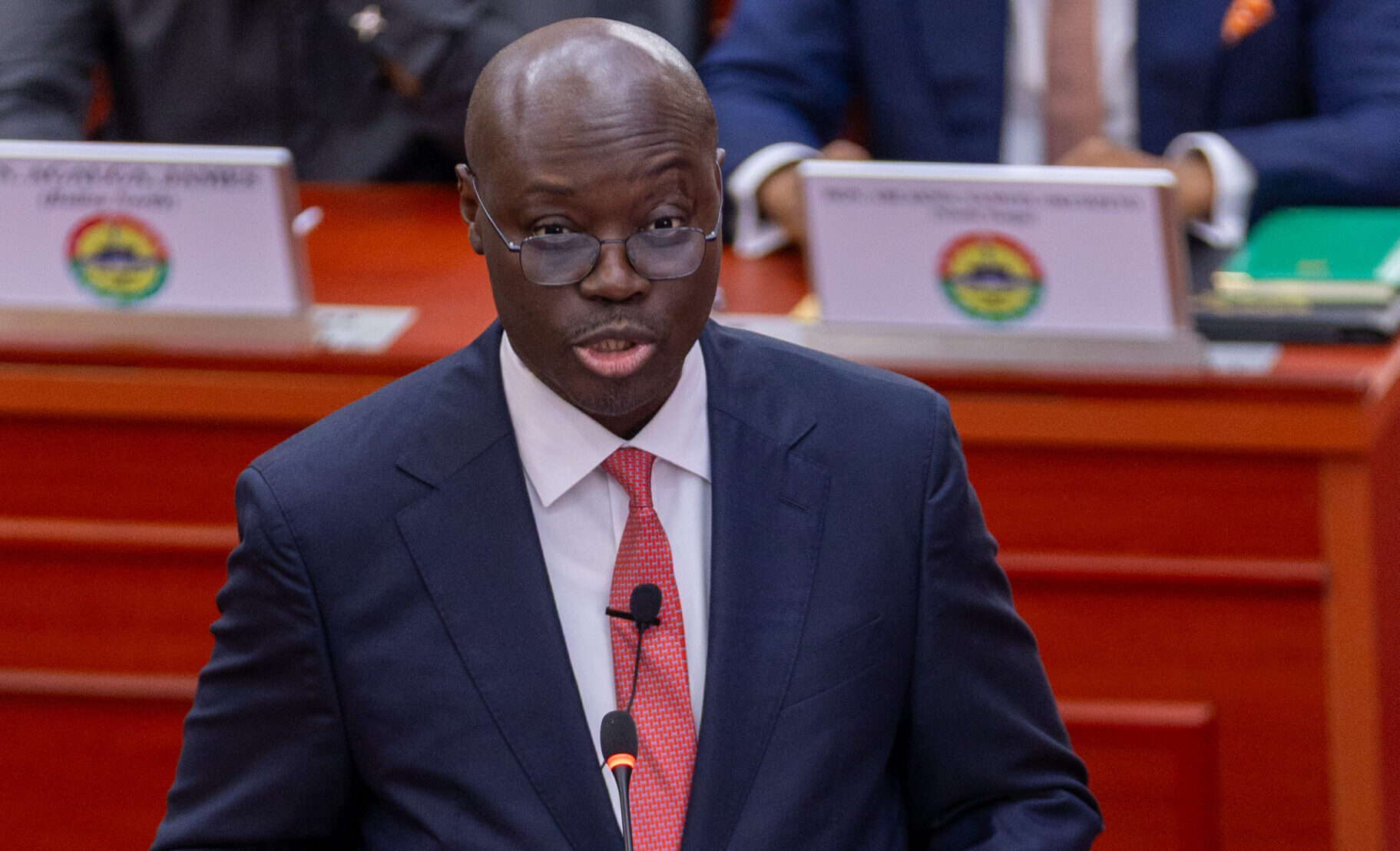
Finance Minister Dr. Cassiel Ato Forson announced these measures during the 2026 Mid-Year Budget Review and Supplementary Estimates presented to Parliament. Of the total GHS 12.4 billion, GHS 7.1 billion was allocated to ensure stable electricity supply. The remaining GHS 5.3 billion was used to clear legacy government arrears within the energy sector. These actions address critical issues impacting Ghana's power generation and distribution.
These financial interventions are part of a broader strategy to revitalize Ghana's energy industry. The country has faced a sharp decline in crude oil production, falling from 71.4 million barrels in 2019 to approximately 36 million barrels in 2025. The new investments and policy reforms are designed to reverse this trend and attract further capital into the vital oil and gas sector. This aligns with Ghana's long-term economic development goals, which rely heavily on energy security and revenue from natural resources.
Dr. Forson informed Parliament that investor-friendly reforms have already yielded positive results. Oil production from the Jubilee Field has increased from a projected 68,000 barrels per day to about 95,000 barrels per day. The Sankofa Field is now producing approximately 28,000 barrels per day. Gas production has also risen from 245 million to about 282 million standard cubic feet per day. A new agreement with Offshore Cape Three Points (OCTP) partners is expected to further boost gas production to 350 million standard cubic feet per day.
The government remains committed to its Gas-to-Power Strategy, which seeks to replace expensive light crude oil with cleaner and cheaper natural gas. This transition is projected to reduce electricity generation costs by at least 75 percent. By the end of June 2026, gas supply for power generation increased by an additional 35 million standard cubic feet per day, reaching a total of about 490 million standard cubic feet per day. This increase includes 10 million standard cubic feet per day from OCTP partners led by Eni and 25 million standard cubic feet per day from N-Gas. Replacing light crude oil with natural gas saved the government GHS 3.08 billion, equivalent to US$268.5 million, in fuel costs during the first half of 2026.
Looking ahead, the government is developing a 100 million standard cubic feet per day modular gas processing facility in partnership with the private sector. This project has completed land acquisition and is undergoing environmental assessments and financial due diligence. It is expected to create nearly 1,000 jobs and generate about US$2 billion in benefits to the State over five years through fuel savings, foreign exchange savings, taxes, levies, and dividends. The government is also developing a 1,200-megawatt state-owned combined-cycle gas-fired power plant at Kafodzidzi-Abrobeano. The first 600-megawatt phase is expected to be commissioned in 2028. This project is anticipated to lower electricity generation costs and reduce electricity tariffs by 10 to 20 percent, creating more than 2,000 direct and indirect jobs.