The Ghanaian government has implemented a GHS 2 per litre intervention on diesel prices. This measure aims to cushion consumers against recent increases in petroleum costs. While providing immediate relief, the Chamber of Petroleum Consumers (COPEC) states this intervention is not a sustainable solution for Ghana's persistent fuel price challenges.
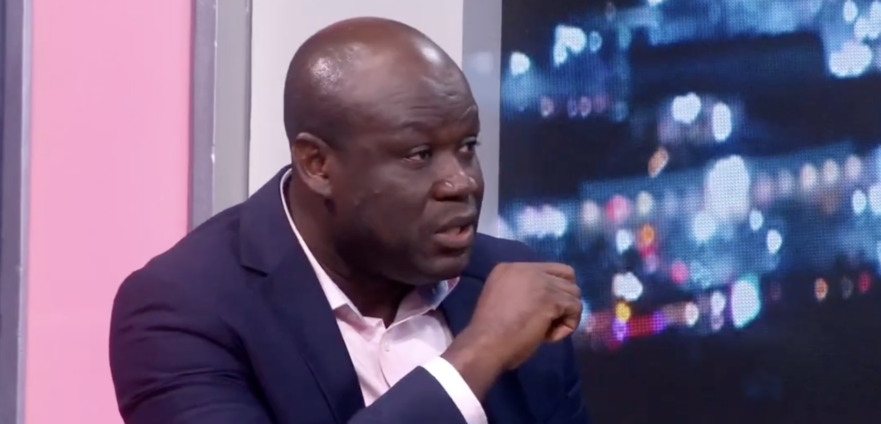
Duncan Amoah, Executive Secretary of COPEC, acknowledged the positive impact of the government's decision. He emphasized, however, that such temporary measures fail to address the underlying issues of fuel price volatility. The intervention follows a new round of petroleum price hikes, directly affecting transport fares, business operating expenses, and household budgets across the country.
This development occurs within a broader context of economic pressures in Ghana. The nation frequently grapples with the impact of global oil price fluctuations on its domestic market. Previous government efforts to stabilize fuel prices have often been short-lived, highlighting the need for more enduring strategies. Ghana's economy, while showing resilience, remains susceptible to external shocks, particularly in the energy sector.
Mr. Amoah explicitly stated, "I’m happy with government’s intervention, but that is not enough." He further argued that Ghana requires a permanent, sustainable mechanism. This mechanism would protect consumers from recurring fuel price shocks, moving beyond reliance on periodic, short-term interventions. He believes a strategic fuel reserve program is the most viable path forward.
The implications of this debate are significant for Ghana's economic stability. Without a long-term strategy, consumers and businesses will continue to face unpredictable fuel costs. This uncertainty can hinder economic planning and investment. Decision-makers must consider how to balance immediate relief with the need for sustainable energy policies to safeguard the economy.
A strategic reserve program, as proposed by COPEC, would involve storing significant quantities of fuel. This reserve would act as a buffer against sudden global price increases or supply disruptions. Such a program could provide greater stability than occasional government subsidies. It would also reduce the financial burden on the government from repeated interventions.
The current GHS 2 diesel relief is a welcome respite for many. However, its temporary nature means that the underlying problem of fuel price volatility persists. Stakeholders, including the government and consumer advocacy groups, must collaborate. They need to develop and implement a comprehensive, long-term fuel strategy. This strategy should aim to protect the Ghanaian economy from future price shocks.
Ghana's reliance on imported petroleum products makes it particularly vulnerable to international market dynamics. Developing local refining capacity or exploring alternative energy sources could also contribute to long-term stability. The conversation around the GHS 2 diesel relief underscores the urgent need for a robust and forward-looking energy policy.