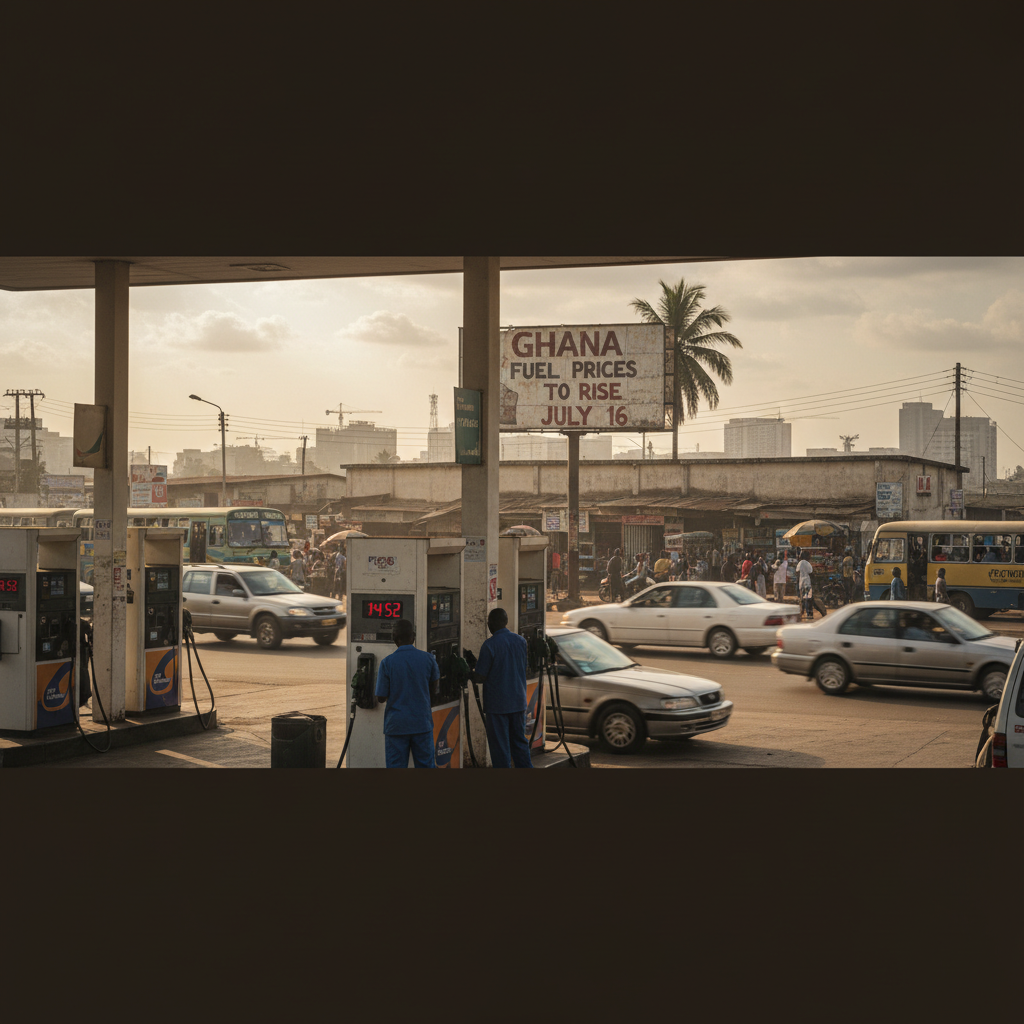
Ghanaian motorists will face increased fuel prices beginning July 16, 2026. Petrol prices are projected to reach approximately GHS 14.52 per litre. Diesel is expected to climb to about GHS 16.00 per litre.
This increase stems from renewed global geopolitical tensions. These tensions have pushed up international crude oil and refined petroleum product prices. Concerns over supply disruptions and shipping security through the Strait of Hormuz are key factors. The Ghana cedi also weakened by 0.55% against the US dollar during the pricing period.
Fuel prices are a significant component of Ghana's inflation basket. Consistent increases place upward pressure on the cost of living and doing business. This trend affects transportation, manufacturing, and other sectors reliant on petroleum products. Data from the Ghana Statistical Service regularly highlights transport costs as a major inflation driver. Previous periods of rising fuel prices have often correlated with broader economic challenges for Ghanaian households and businesses.
According to the Chamber of Oil Marketing Companies (COMAC), these increases reflect developments in the international oil market. COMAC reported that average crude prices initially declined but rebounded sharply. Brent crude climbed above $84 per barrel following reports of Iranian missile strikes on July 14. COMAC noted that diesel recorded the largest international price increase at 8.14%, followed by petrol at 4.96%.
The National Petroleum Authority (NPA) also adjusted its price floors upward for this pricing window. The price floor for petrol increased from GHS 12.79 to GHS 13.28 per litre, a 3.83% rise. Diesel's price floor jumped by 5.98%, from GHS 13.54 to GHS 14.35 per litre. These regulatory adjustments reinforce the expectation of higher pump prices nationwide.
Market observers will closely monitor global oil prices and the Ghana cedi's performance. Persistent geopolitical risks could sustain high crude oil prices. Further cedi depreciation would exacerbate import costs for refined petroleum. Businesses and consumers should anticipate continued pressure on budgets. The Bank of Ghana might consider monetary policy adjustments if fuel inflation accelerates broader price increases. Policy makers will need to balance supporting economic activity with managing inflationary pressures.