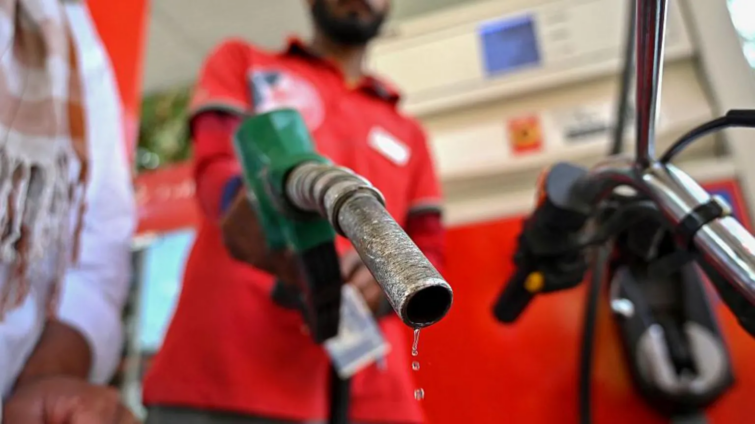
Ghanaian consumers face imminent fuel price increases starting Wednesday, September 16, 2026. The Chamber of Petroleum Consumers (COPEC) projects diesel will reach GHS 19.07 per litre, and petrol will hit GHS 16.26 per litre.
This anticipated surge includes a 10.23% increase for diesel and a 4.24% rise for petrol. Liquefied Petroleum Gas (LPG) is also expected to see a significant jump, reaching approximately GHS 15.32 per kilogramme. These projections cover the second pricing window of September.
The primary driver for these increases is the sharp rise in international crude oil and refined petroleum product prices. Global crude oil prices surged from US$89.30 to US$103.07 per barrel during the review period. This global trend directly impacts Ghana's import costs for petroleum products. Such price movements often lead to inflationary pressures across the economy. Higher transport costs affect everything from food prices to manufacturing expenses. This situation adds to existing economic challenges, including the cost of living crisis.
COPEC's projection, dated September 13, 2026, highlights the international market's influence. The Free on Board (FOB) price of petrol increased by 10.08%, from US$1,136.50 to US$1,251.07 per metric tonne. Diesel's FOB price saw an even steeper rise, climbing 12.33% from US$1,250.50 to US$1,404.73 per metric tonne. These figures underscore the external pressures on Ghana's fuel market.
Despite these significant international price hikes, the Ghana cedi showed a marginal appreciation against the US dollar. The cedi moved from an average interbank rate of GHS 11.5166 per US$1 to GHS 11.4830. This 0.29% appreciation offered a slight buffer but was insufficient to offset the global price increases. The government's efforts to stabilize the cedi are crucial for mitigating imported inflation. However, global commodity price volatility remains a major concern for Ghana's economy.
The projected price of GHS 19.07 per litre for diesel represents a substantial increase from its current mean price of GHS 17.30 per litre. Petrol's new price of GHS 16.26 per litre is up from its current mean of GHS 15.60 per litre. These changes will directly impact household budgets and business operating costs. Transport operators, farmers, and manufacturers will likely pass on these increased costs to consumers. This could further fuel inflation and reduce consumer purchasing power.
The Chamber of Petroleum Consumers (COPEC) consistently monitors and projects fuel price trends. Their analyses provide crucial insights for consumers and policymakers. These projections help prepare the public for market changes. They also inform discussions on potential government interventions, such as subsidies or tax adjustments. The government faces a delicate balance between managing public finances and cushioning consumers from price shocks. The impact on the broader economy, particularly inflation and economic growth, will be closely watched. Businesses will need to adjust their pricing strategies to absorb or pass on these new costs. Consumers should prepare for higher expenses across various goods and services.