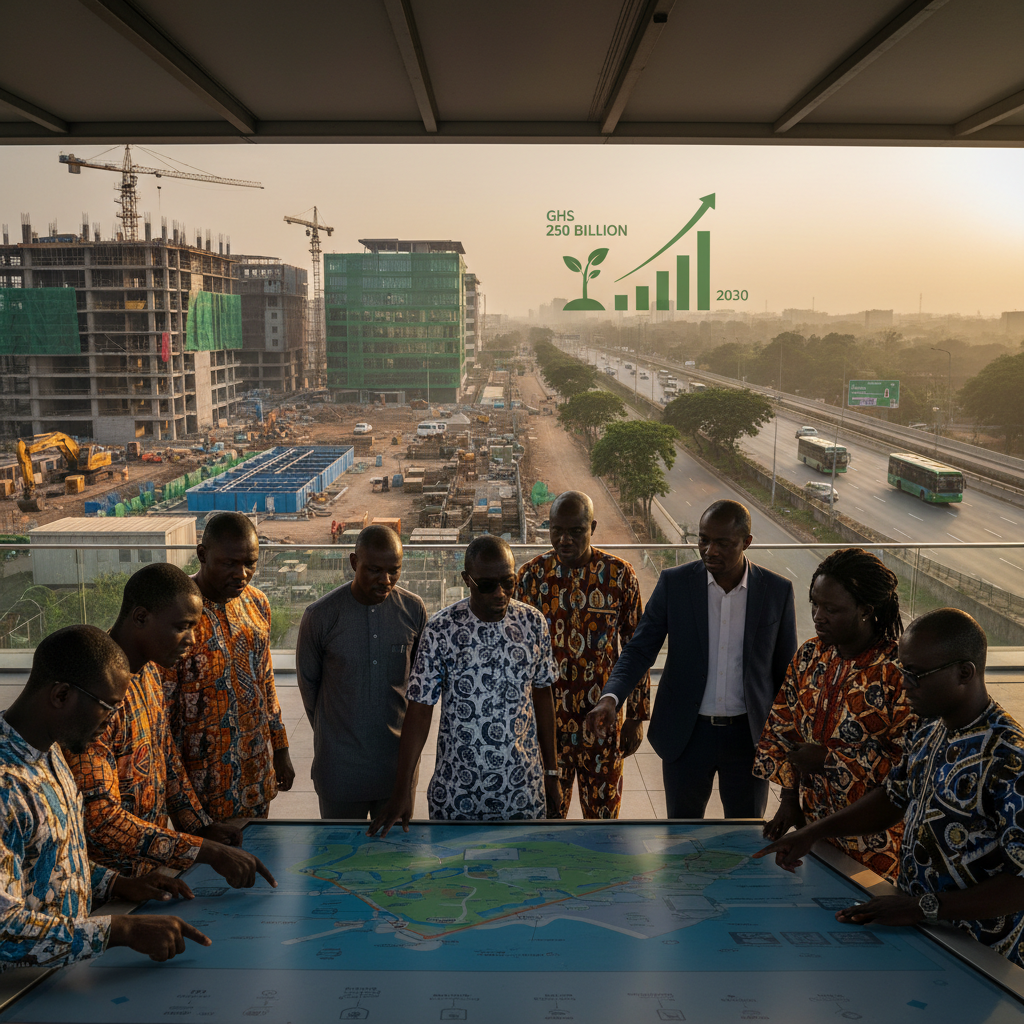
Ghana needs an estimated GHS 250.7 billion ($22 billion) by 2030 to fund climate resilience and adaptation initiatives. This significant financial requirement underpins the nation's push for demand-side electrification across Africa. Mr. Seidu Issifu, Minister of State for Climate Change and Sustainability, announced this at a high-level event during the Bonn Climate Change Conference.
Mr. Issifu emphasized that demand-side electrification is crucial for both climate action and economic development in Africa. This strategy ensures energy access while building clean energy systems for the future. He noted that despite minimal contributions to global greenhouse gas emissions, Ghana and other African nations suffer severe climate change impacts. Electrification offers a pathway to resilience, economic transformation, and survival for these vulnerable countries.
This call arrives as Ghana integrates its climate ambitions into its broader economic development agenda. The nation aims to use flexible demand, including cooling systems, as a strategic resource. This approach helps stabilize power grids and boosts energy efficiency. Ghana's commitment aligns with the Global Cooling Pledge and positions it as a key player in Africa's energy transition. The government recently secured GHS 248.5 million ($21.8 million) from the World Bank for carbon reduction and forest restoration. This demonstrates initial steps towards a larger funding goal.
Mr. Seidu Issifu stated, "For Africa, where electrification rates remain comparatively low, the transition represents both a challenge and an unprecedented opportunity to leapfrog traditional energy pathways." He added that strategic investments now prevent much higher costs for retrofitting systems later. His remarks underscore the urgency of transitioning to modern, resilient grids to support industrial growth and clean energy adoption.
Decision-makers and international partners will observe how Ghana mobilizes the necessary financing. The government intends to integrate demand-side planning and institutional strengthening into its energy transition framework. This strategy aims to deliver significant climate and development benefits across the continent. Future energy planning must anticipate changing demand, particularly in rapidly urbanizing and warming regions like West Africa. Cooling demand will be a major driver of future electricity consumption, impacting public health and economic productivity.