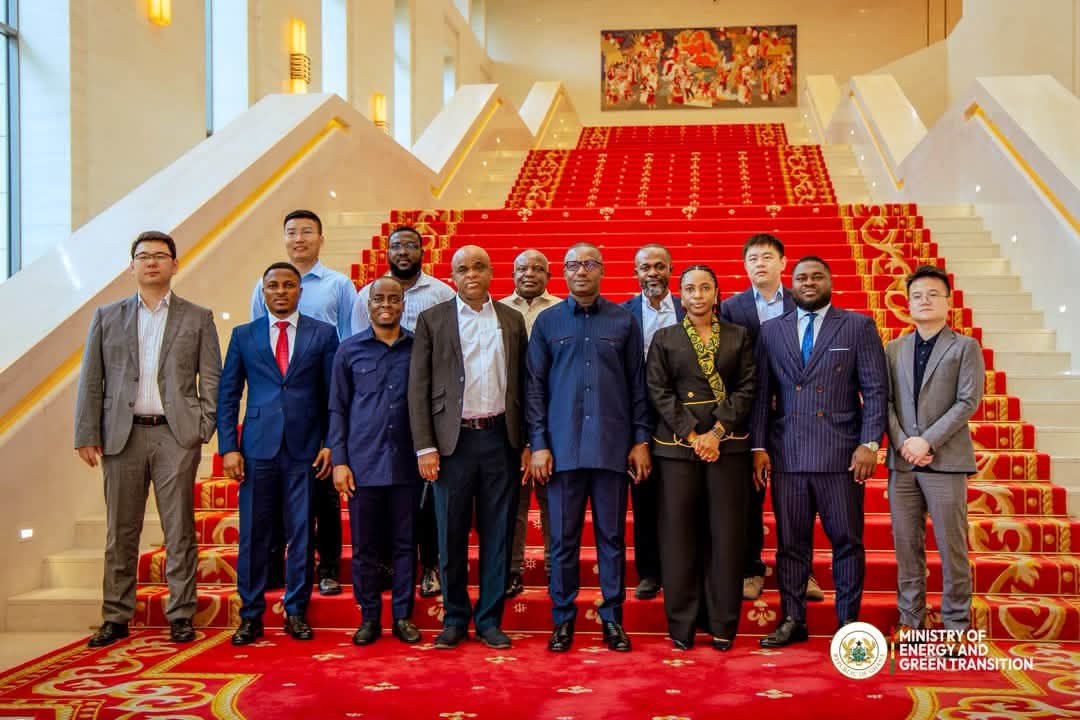
Ghana's Energy Minister, Dr. John Abdulai Jinapor, is undertaking a strategic working visit with key power sector stakeholders. The visit aims to study world-class operational frameworks, advanced technologies, and international best practices in battery energy storage systems. This benchmarking exercise is crucial as Ghana prepares to roll out the first phase of its landmark 200MW Battery Energy Storage System (BESS) project.
The government's initiative ensures the country's battery storage infrastructure aligns with global standards. This alignment will significantly enhance the integration of renewable energy into the national electricity grid. The project is a major step towards diversifying Ghana's energy mix and promoting cleaner power sources.
This development fits into Ghana's broader economic story of transitioning to a more sustainable energy future. The nation aims to reduce its reliance on traditional power sources and improve grid stability. The BESS project will support industrialisation and sustainable economic growth by providing a reliable electricity supply.
Dr. Jinapor stated, "This hands-on benchmarking is vital as the government rolls out the first phase of Ghana's landmark 200MW Battery Energy Storage System." He added that witnessing sophisticated, utility-scale setups provides the exact blueprints needed for a resilient and efficient grid. The Minister's statement underscores the practical benefits of this international engagement.
The successful implementation of the 200MW BESS project will strengthen the reliability of Ghana's electricity network. It will improve grid stability and enhance energy security across the nation. Decision-makers and markets will closely watch the project's progress as it represents a significant investment in Ghana's energy infrastructure.
The Battery Energy Storage System will play a critical role in strengthening the reliability of Ghana's electricity network. It will support greater integration of renewable energy, improving grid stability and enhancing energy security. This project is a major pillar of the government's Green Transition Agenda, which seeks to diversify Ghana's energy mix.
The working visit is also expected to strengthen collaboration with international industry leaders. It will provide opportunities for technology transfer, accelerating the deployment of advanced energy storage solutions. Ghana aims to adopt the best technologies and international best practices to modernise its energy infrastructure.
Dr. Jinapor reaffirmed the government's commitment to adopting proven global technologies and best practices. This commitment ensures Ghana's energy transition delivers reliable, affordable, and sustainable electricity. The project will benefit households, businesses, and industries across the country.
The Minister concluded, "Our objective is to ensure that Ghana adopts the best technologies and international best practices as we modernise our energy infrastructure." He stressed the determination to build a resilient power sector that supports economic transformation. This will deliver reliable electricity to all Ghanaians, fostering long-term economic stability.