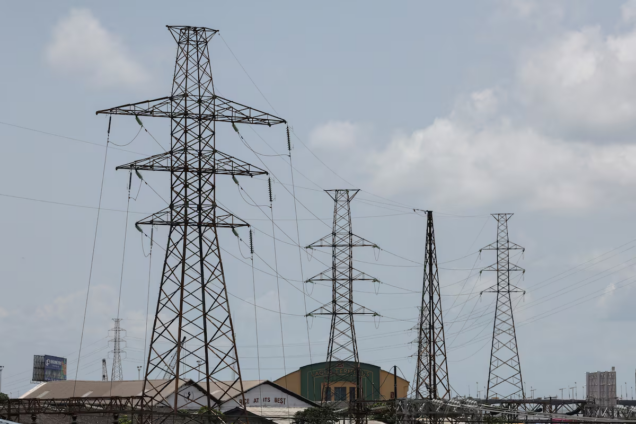
Ghana’s total electricity generation declined by 3.99% in July 2026. This decrease occurred compared to the previous month, according to the Public Utilities Regulatory Commission (PURC).
The PURC’s Ghana Electricity Supply Fact Sheet for July 2026 revealed the drop. Total generation fell from 2,413.30 GWh in June to 2,317.13 GWh in July. The Commission partly linked this monthly decline to seasonal changes in demand. Improved weather conditions often lead to lower electricity use. Despite the monthly reduction, generation was 6.20% higher than in July 2025. This indicates a continued year-on-year growth in the nation's electricity supply.
This monthly dip in generation comes amidst Ghana’s broader economic challenges. The cedi depreciated by 3.1% against the dollar in July 2026. This increased its year-to-date loss to 10.4%. Such currency depreciation directly impacts the cost of imported fuel for thermal power plants. Ghana's heavy reliance on thermal generation, which accounted for 74.33% of total generation in July, exacerbates this vulnerability. The country’s energy sector faces ongoing pressure to ensure stable and affordable power. This is crucial for industrial growth and household consumption.
The PURC stated that generation remained resilient overall. However, it noted that intermittent declines highlight the need for close monitoring. This includes generation availability and fuel supply. Such vigilance ensures a reliable electricity supply for the nation. The Commission also cautioned about the power sector's exposure. It faces fuel price volatility, foreign exchange pressures, and fuel supply risks. This is due to its reliance on thermal generation.
Decision-makers will closely watch the government’s response to these vulnerabilities. The PURC recommended accelerated investment in renewable energy. This would diversify the generation mix. It would also reduce exposure to thermal generation risks. Such measures are vital for improving the long-term sustainability of the electricity sector. Future energy policies will likely focus on balancing demand growth with a more resilient and diversified supply.
Thermal generation stood at 1,722.33 GWh in July. This represented a 4.99% decline from June. However, it marked an 11.25% increase compared to July 2025. Hydropower contributed 579.45 GWh, making up 25.01% of total generation. This was a marginal 0.18% decline month-on-month. It also showed a 7.41% decline year-on-year. Solar power accounted for only 0.66% of total generation, at 15.35 GWh. Although solar generation fell 13.76% from June, it was 96.26% higher than in July 2025. The generation mix shows that fuel availability and thermal plant performance remain critical. This directly impacts electricity supply reliability. Karpower recorded the highest thermal generation at 311.72 GWh. This was 13.45% of total national generation. Akosombo remained the largest hydro contributor at 435.53 GWh. Ghana’s national electricity system recorded a peak demand of 3,968 MW in July 2026. This was a 6.61% increase year-on-year. Installed generation capacity stood at 5,818 MW. Dependable capacity was 4,968 MW. The resulting capacity surplus was 988 MW. This provided a reserve margin of 24.82%. This figure is above the system adequacy benchmark of 18%. The positive reserve margin indicates sufficient dependable generation capacity. It can meet peak demand and manage unexpected system disruptions.