Ghana's government has cleared most outstanding debts owed to Independent Power Producers (IPPs). This action has restored stability to the nation's electricity sector.
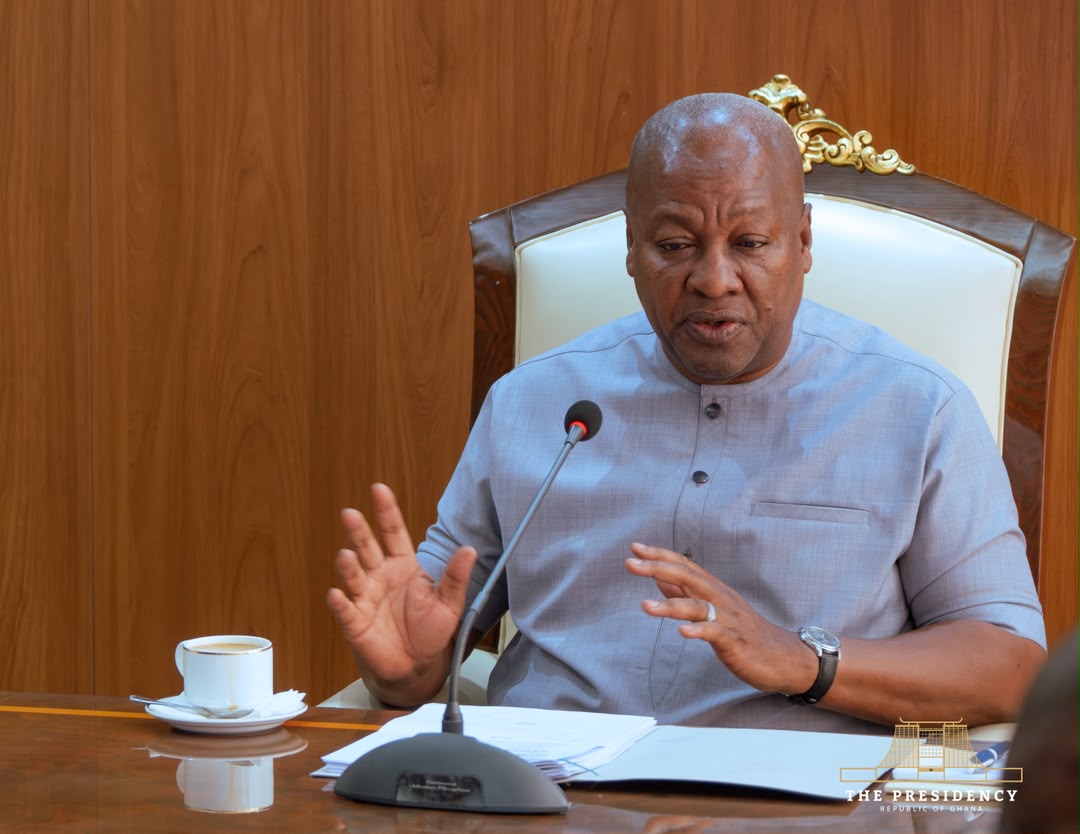
President John Dramani Mahama announced this significant development. He stated that the government's interventions have greatly improved the financial health of the Electricity Company of Ghana (ECG). ECG can now meet its ongoing financial obligations to power producers. President Mahama made these remarks during a visit by the Kwahu Business Advocacy Group.
This debt payment and improved revenue collection by ECG are crucial for Ghana's economy. The country has historically faced challenges with power supply, impacting businesses and households. Ensuring a reliable power sector is essential for attracting investment and supporting industrial growth. Stable electricity is a cornerstone of the broader economic transformation agenda.
President Mahama explained the reforms have boosted ECG's monthly revenue to almost GHS 2 billion. This improved collection allows ECG to pay current bills from all power producers. He noted that ECG previously struggled with high commercial and technical losses. Mounting debts to power producers and gas suppliers threatened Ghana's energy security. The improved revenue collection stops the accumulation of new debts to electricity generators.
The government, through the Ministry of Finance, also settled outstanding payments to upstream gas producers. These producers operate the Jubilee and ENI Sankofa fields. This payment has led to an increased gas volume, providing more gas than before. The increased gas supply strengthens electricity generation capacity.
This increased gas supply supports the government’s efforts to deliver dependable and affordable power. Reliable electricity is a critical pillar for Ghana's economic transformation. It is especially vital as the government prepares to implement its 24-hour economy program. This program will require uninterrupted power for industries to operate continuously.
President Mahama reaffirmed the government's commitment to energy sector reforms. He emphasized investing in critical infrastructure. This investment aims to create an enabling environment for businesses to grow. Such growth drives the nation's overall economic development. These actions aim to prevent future power crises, which have historically caused significant economic disruption.
The sustained efforts in debt management and infrastructure investment are key. They will help maintain investor confidence in Ghana's energy sector. Businesses and markets will closely monitor the long-term impacts of these reforms. The consistency of power supply will be a major indicator of success.