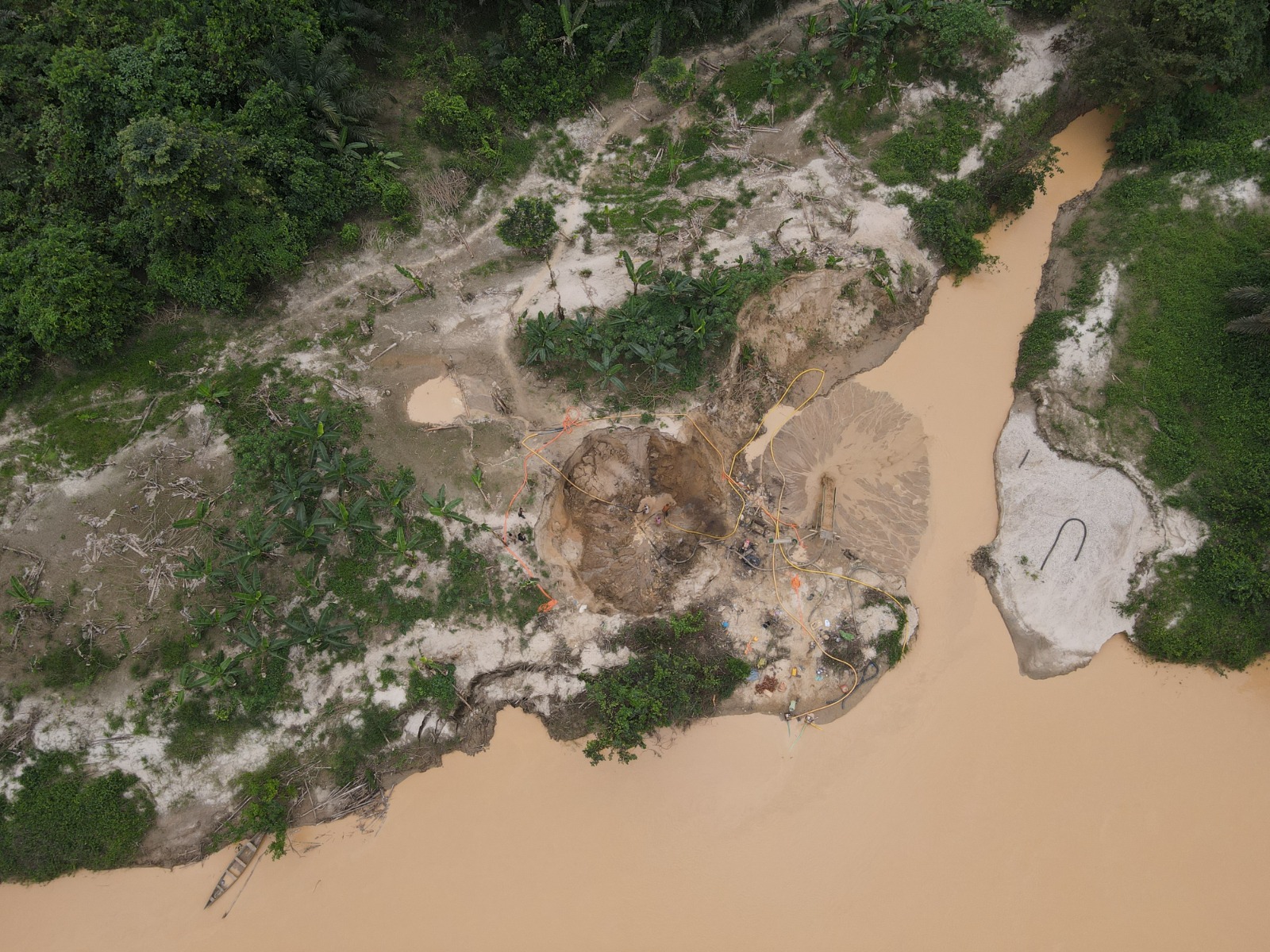
Illegal mining, known as galamsey, has severely compromised operations at the Daboase Water Treatment Plant in the Western Region. Raw water turbidity levels reached an alarming 11,955 NTU as of August 14, 2026. This figure is significantly higher than the permitted level of 500 NTU for effective treatment.
Drone footage confirms illegal mining activities along the River Pra, directly opposite the plant's Intake Pumping Station. These activities reduce water flow into the plant and dramatically increase pollution. The Daboase plant supplies clean drinking water to communities across the Takoradi area.
This environmental degradation poses a direct threat to public health and economic stability in the region. Ghana's water bodies face increasing pressure from galamsey, impacting water treatment costs and infrastructure. The continuous pollution of vital water sources strains public utilities and diverts resources from other development projects.
The Ghana Report highlighted the extreme turbidity and its impact on the plant's ability to produce potable water. The report noted that only two of the four pumps at the Daboase Intake are currently operational. This reduced pumping capacity further complicates the treatment of heavily polluted water.
The combination of severe pollution and equipment limitations creates a critical challenge for water managers. Residents in the Takoradi area face potential water supply disruptions if illegal mining continues unchecked. Decision-makers must address this issue to safeguard public health and ensure economic continuity.
The Daboase situation underscores a broader national crisis regarding illegal mining and its environmental consequences. The economic cost of treating highly turbid water is substantial, requiring more chemicals and energy. This increases operational expenses for the Ghana Water Company Limited, potentially leading to higher tariffs or increased government subsidies.
Furthermore, the long-term health implications of consuming inadequately treated water are severe. Waterborne diseases can surge, placing additional burdens on the healthcare system. Protecting water sources like the River Pra is crucial for sustainable development and public welfare.
The government's commitment to combating galamsey must translate into more effective enforcement and sustainable alternative livelihoods. Failure to do so will continue to jeopardize essential services and economic progress. The Daboase plant's struggle serves as a stark reminder of the urgent need for action.
Monitoring and rapid response mechanisms are essential to protect critical infrastructure from illegal mining. The continued operation of the Daboase plant is vital for the economic activities and daily lives of Takoradi residents. Ensuring a consistent supply of clean water is a fundamental requirement for any thriving urban centre.