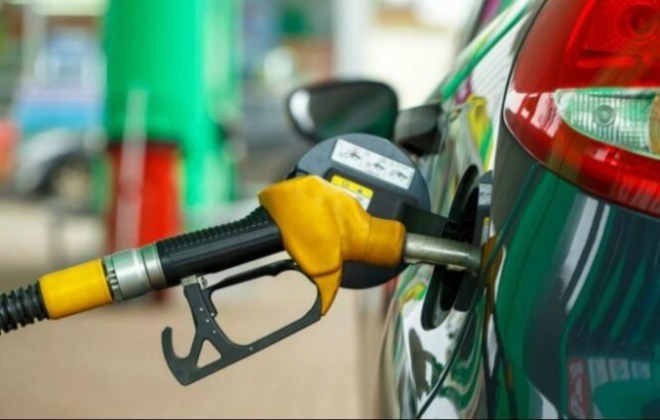
The Chamber of Petroleum Consumers (COPEC) has warned that fuel prices at the pumps could rise again this week. This anticipated increase stems from sustained gains in global crude oil and refined petroleum product prices.
Duncan Amoah, Executive Director of COPEC, stated that recent adjustments in local fuel prices reflect prevailing international petroleum market conditions. He emphasized that Ghana cannot insulate itself from these global price movements. Data available to COPEC indicate that international benchmark prices for petroleum products continue to trend upwards.
This expected increase adds to existing economic pressures in Ghana, where fuel costs significantly impact transport and production. Higher fuel prices often lead to increased inflation, affecting the cost of goods and services across the economy. The Bank of Ghana has previously cited rising energy costs as a key factor influencing inflation rates.
Mr. Amoah explained that even in the United States, fuel prices have recently gone up after a period of decline. He stressed that the current local prices are a direct reflection of global market realities. "The prices are fair based on the numbers we have in-house," Mr. Amoah said, referencing Platts prices, where petrol, diesel, and aviation turbine kerosene (ATK) are traded globally.
The resumption of operations at the Tema Oil Refinery (TOR) has not shielded Ghana from international market volatility. Mr. Amoah clarified that TOR acquires crude oil under commercial pricing arrangements. Discussions with TOR confirmed that crude supplied to the refinery is purchased at prevailing international market rates, not under preferential pricing.
This means TOR pays market prices, similar to any other commercial entity. "It appears the crude supplied to TOR was strictly commercial," Mr. Amoah noted, indicating no special pricing strategy like Brent-minus or WTI-minus is in place. This commercial arrangement prevents TOR from offering a buffer against global price hikes.
Crude oil purchases are denominated in US dollars, making the cost of petroleum products in Ghana susceptible to two main factors. Fluctuations in global oil prices and movements in the exchange rate both influence domestic fuel costs. A weakening Ghana cedi against the US dollar further exacerbates the impact of rising international oil prices.
Mr. Amoah urged the Ghana National Petroleum Corporation (GNPC) and the Ministry of Energy to review the country’s crude supply arrangements. He called for exploring options to leverage locally produced crude oil. This strategy could help cushion consumers against persistent fuel price increases and reduce reliance on dollar-denominated imports.
The continuous rise in fuel prices poses a significant challenge for Ghanaian households and businesses. It could lead to higher operational costs for industries and increased transportation fares for commuters. Policymakers will need to consider measures to mitigate the impact on the broader economy and maintain price stability.