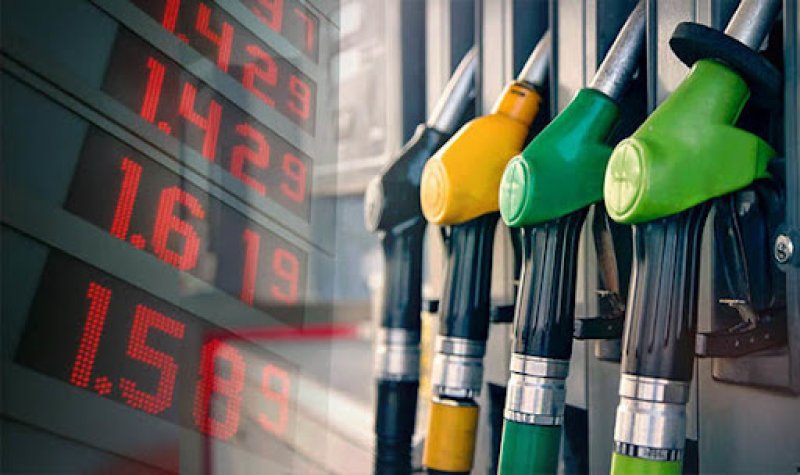
Fuel prices in Ghana will decrease significantly from July 1, 2024. Petrol prices are projected to fall by 6.21%, while diesel prices will drop by 13.28%.
These reductions stem from a 19.69% decrease in global crude oil prices and a 3.14% appreciation of the Ghana cedi. The Chamber of Petroleum Consumers (COPEC) confirmed these combined factors will lead to lower pump prices. This development offers financial relief to Ghanaian households and businesses.
The expected fuel price drop aligns with recent improvements in Ghana's economic indicators. A stronger cedi, coupled with a decline in international commodity prices, helps alleviate imported inflation pressures. This trend supports the government's efforts to stabilise the economy. The energy sector plays a crucial role in overall economic stability, impacting transportation costs and manufacturing expenses.
COPEC's Executive Secretary, Duncan Amoah, stated global crude oil prices fell from $97.32 per barrel to $78.16 per barrel. The cedi strengthened from GHS 11.8035 to GHS 11.4333 against the US dollar. This appreciation enhances the purchasing power of Ghanaian importers, reducing the cost of refined petroleum products.
For petrol, the Free on Board (FOB) price decreased by 6.92%, from $988.77 to $920.34 per metric tonne. COPEC estimates an average retail price of GHS 13.36 per liter for petrol. This is down from the current average of GHS 14.24 per liter. Petrol prices are expected to range between GHS 12.69 and GHS 14.03 per liter, depending on the oil marketing company.
Diesel will see an even larger reduction. Its FOB price dropped by 15.18%, from $1,056.38 to $896.02 per metric tonne. COPEC projects an average pump price of GHS 14.10 per liter for diesel. This is a significant drop from the current average of GHS 16.26 per liter. Diesel prices will likely range between GHS 13.39 and GHS 14.80 per liter.
Liquefied Petroleum Gas (LPG) will also become more affordable. Its FOB price declined by 15.96%, falling from $652.65 to $548.50 per metric tonne. COPEC forecasts an average retail price of GHS 10.05 per kilogram for LPG. Prices will vary between GHS 9.54 and GHS 10.55 per kilogram.
COPEC expressed confidence that oil marketing companies will promptly adjust their prices. This responsiveness will ensure consumers benefit quickly from these expected reductions. The chamber also lauded the government's initiative to allocate part of its Jubilee fields crude oil share to local refineries. This strategy aims to reduce fuel imports and ease pressure on the cedi. It also strengthens Ghana's domestic energy sector.
The impending price adjustments could lead to a decrease in the cost of doing business. This might translate into lower prices for goods and services across the economy. Consumers should monitor pump prices closely. Decision-makers will watch how these changes impact inflation and transport fare adjustments.