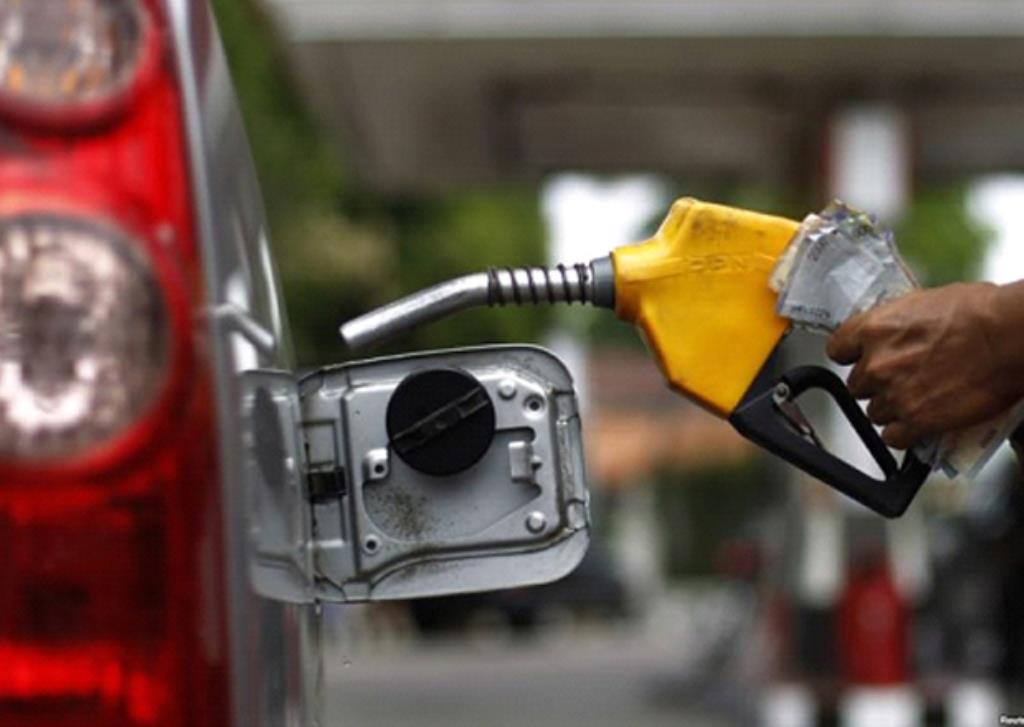
Ghanaian motorists and consumers will face significantly higher fuel and transport costs from Wednesday, September 16, 2026. International crude oil and refined petroleum product prices have surged, putting fresh pressure on domestic pump prices.
The Chamber of Petroleum Consumers (COPEC) projects substantial increases for petrol, diesel, and Liquefied Petroleum Gas (LPG). Diesel prices are expected to record the biggest jump, rising by 10.23% to approximately GHS 19.07 per litre from the current GHS 17.30. Petrol prices could increase by 4.24% to about GHS 16.26 per litre, up from the current GHS 15.60. LPG is also expected to see a significant rise, with COPEC projecting a price of about GHS 15.32 per kilogramme.
These projected increases reflect Ghana's deep reliance on imported petroleum products. Global oil price volatility directly impacts the nation's energy costs and overall inflation. This trend follows a period where the Ghana cedi showed a marginal appreciation against the US dollar. However, this currency gain was insufficient to offset the steep rise in international petroleum prices. The Bank of Ghana's efforts to stabilize the cedi face ongoing challenges from external commodity shocks.
COPEC's analysis, dated September 13, 2026, attributes these increases primarily to rising international crude oil and refined petroleum product prices. The Chamber reported that crude oil prices climbed from US$89.30 to US$103.07 per barrel during the review period. This created significant upward pressure on the domestic petroleum market, according to COPEC.
The sharp rise in fuel prices will likely lead to increased operating costs for businesses and higher transport fares. Consumers should prepare for a potential increase in the cost of goods and services. Policymakers will closely monitor the inflationary impact and public reaction to these new prices. The government may face calls for interventions to cushion the economic burden on citizens.
Diesel is expected to bear the brunt of this latest price pressure. COPEC stated that the international Free on Board (FOB) price of diesel increased by 12.33%. This moved from US$1,250.50 to US$1,404.73 per metric tonne. After accounting for the cedi's marginal appreciation, COPEC projects a retail pump price of GHS 19.07 per litre. This amounts to an increase of GHS 1.77 per litre over the current mean price.
The sharp rise in diesel prices has wider implications for the cost of transportation and goods. Commercial transport operators, haulage companies, and many businesses heavily rely on diesel. Agricultural activities also depend on diesel, meaning food prices could also be affected. This will put additional strain on household budgets across the country.
For petrol, the international FOB price rose by 10.08%. It increased from US$1,136.50 to US$1,251.07 per metric tonne. COPEC projects the corresponding retail price could rise to GHS 16.26 per litre. This represents a 4.24% increase from the current mean price. Taking into account an estimated ±5% variation, COPEC expects petrol prices to fall within a range of GHS 15.44 and GHS 17.08 per litre during the next pricing window.
These expected increases could place additional pressure on household budgets and businesses. This will happen if they translate into higher transport fares and operating costs. Ghana’s downstream petroleum market continues to respond to global crude oil price movements and exchange-rate developments. The recent marginal appreciation of the cedi provides some relief, but the sharp increase in international petroleum prices remains the dominant factor. The new prices are expected to take effect from Wednesday, September 16, 2026, subject to final pricing decisions by individual oil marketing companies.