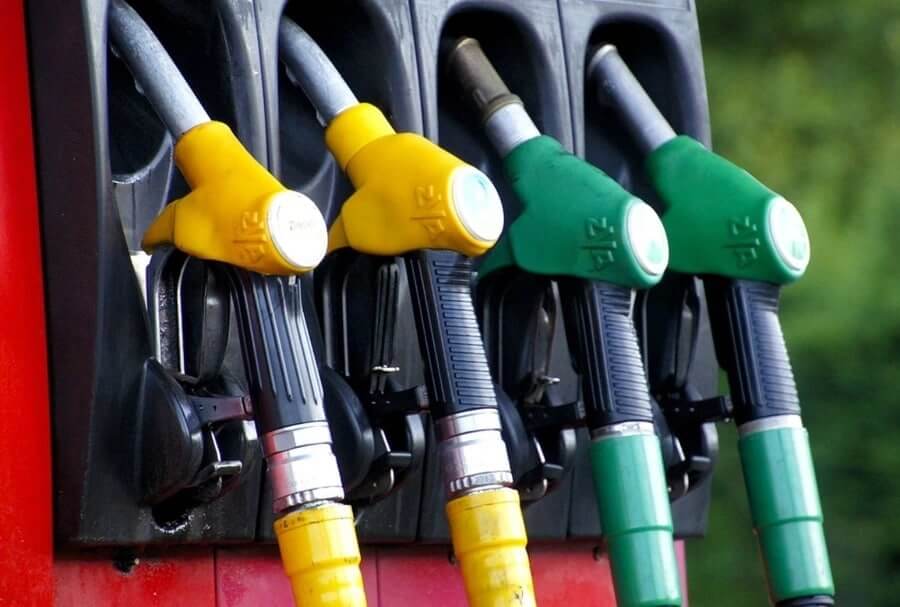
Ghanaian motorists and businesses will face significant fuel price increases starting August 1. Petrol prices are projected to rise by 7.58%, and diesel will see a steeper 12.50% increase. The Chamber of Oil Marketing Companies (COMAC) released these projections, also forecasting a 4.13% rise in LPG prices.
These impending increases stem from a sharp rise in international crude oil and refined petroleum product prices. The escalating conflict between the United States and Iran has contributed to these global price surges. Concerns over supply disruptions, higher freight costs, and security risks in the Strait of Hormuz are also driving factors. Average crude oil prices increased by 23.25% in late July, moving from US$71.90 to US$88.62 per barrel.
The weakening Ghana cedi further exacerbates the situation. The local currency depreciated by 1.41% against the US dollar during the pricing period. It moved from GHS 11.50 to GHS 11.66 per dollar. This depreciation makes importing petroleum products more expensive for Ghanaian companies. This trend adds to the broader economic challenges Ghana faces, including persistent inflationary pressures.
COMAC attributes the expected increases directly to these international and local market dynamics. They highlight the impact of global geopolitical tensions on energy markets. The National Petroleum Authority (NPA) also released higher price floors for the first pricing window of August. The petrol price floor is now GHS 14.53 per litre, a 9.41% increase. Diesel's price floor rose by 18.26% to GHS 16.97 per litre. LPG increased by 8.54% to GHS 11.06 per kilogram.
These price adjustments will have significant implications for the Ghanaian economy. Transport operators, who already threatened a 30% fare increase, will likely renew their calls for adjustments. Higher transport fares directly impact household budgets and the cost of goods and services. This could fuel further inflation, affecting the purchasing power of ordinary Ghanaians. Businesses will also face increased operational costs, potentially leading to higher consumer prices.
The transport sector, particularly the Ghana Private Road Transport Union (GPRTU), will be closely watched. Their response to these new price hikes could trigger widespread fare increases. Such increases would affect daily commuters and the overall cost of living. The government and economic policymakers will need to monitor these developments closely. They must consider potential interventions to mitigate the impact on citizens and businesses. The continuous upward trend in fuel prices poses a significant challenge to economic stability and growth.