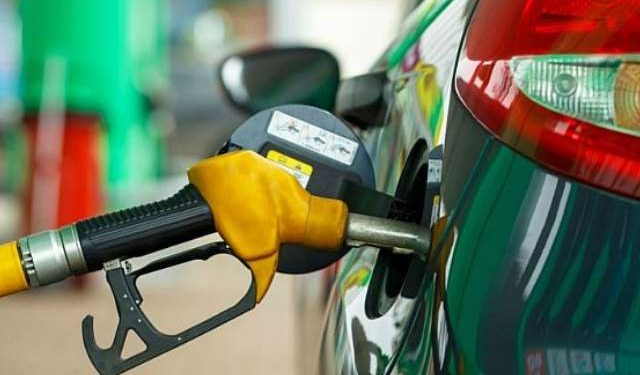
Ghana's fuel market remains on edge, vulnerable to significant price swings due to deepening tensions between the United States and Iran. Dr Riverson Oppong, CEO of COMAC, confirmed that renewed confrontation threatens the stability of global oil supply.
These geopolitical developments have revived fears of oil supply disruptions worldwide. Ghana, as an importer of refined petroleum products, is particularly susceptible to these international price movements. The instability poses substantial risks to the entire downstream petroleum sector.
This situation fits into Ghana's broader economic narrative of reliance on global commodity prices, especially for energy. Increases in international oil prices directly impact local fuel costs. Such increases can fuel inflation and affect the operational costs of businesses across various sectors. This trend has historically placed pressure on the Ghana cedi and consumer spending.
Dr Oppong explained that markets remain volatile as investors monitor military and diplomatic developments. He stated, "Personally, I wasn't shocked to hear the turnaround of the peace deal because we've lived within this uncertainty for the past months." This uncertainty makes it difficult for Oil Marketing Companies (OMCs) and Bulk Distribution Companies (BDCs) to plan.
The biggest challenge for these companies arises when international prices fall after they have imported fuel at higher costs. Such a scenario can lead to significant financial losses. While rising prices can be passed on to consumers, falling prices create more severe financial pressure for distributors. Hedging, a financial strategy to reduce risk, is often not practical for Ghana's retail fuel business, according to Dr Oppong. This exacerbates the exposure of local companies to market fluctuations.
Moving forward, the Ghanaian economy must brace for continued fuel price instability. Businesses and consumers should monitor international oil market developments closely. Policymakers will likely face ongoing pressure to manage the impact of these external shocks on domestic prices. The government may need to consider measures to mitigate the effects of high fuel costs on inflation and economic stability. Until geopolitical certainty returns to the Middle East, Ghana's fuel marketers face a constant risk of sudden price movements.
The current situation highlights Ghana's vulnerability as a net importer of refined petroleum. It also underscores the need for strategies to enhance energy security. Diversifying energy sources and exploring local refining capabilities could offer long-term solutions. In the short term, the market will react to every shift in the US-Iran relationship, affecting pump prices across the country.