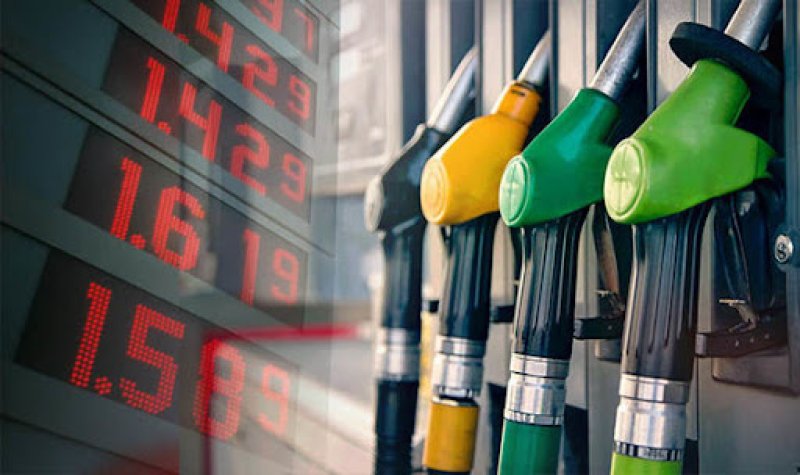
Ghanaian consumers face rising fuel prices, with the Chamber of Oil Marketing Companies (COMAC) attributing these increases to global market dynamics. Dr. Riverson Oppong, Chief Executive Officer of COMAC, stated that recent adjustments at the pumps directly reflect escalating international crude and refined product prices. He clarified that Oil Marketing Companies (OMCs) are not increasing their profit margins.
Dr. Oppong explained that OMCs operate by passing on costs incurred from Bulk Distribution Companies (BDCs) to consumers. He emphasized that OMCs cannot absorb these rising costs without negatively impacting their business operations. This mechanism ensures that the true cost of fuel from BDCs is reflected in the retail price.
This situation fits into Ghana's broader economic narrative, where the nation remains susceptible to global commodity price fluctuations. As an oil-importing country, Ghana's economy is particularly sensitive to international petroleum market movements. High fuel prices often lead to increased transportation costs, which then affect the prices of goods and services across various sectors, contributing to inflation.
Dr. Oppong noted that BDCs have been adjusting their prices rapidly, sometimes multiple times within a single day. He stated, "The BDCs are increasing their prices, and I have witnessed some of them adjusting prices overnight, even two or three times in a day." He added that OMCs are compelled to respond to these changes to remain viable.
The implications for consumers are significant. With petrol currently selling at GHS 14.5 per litre and diesel nearing GHS 18, household budgets are under pressure. Dr. Oppong warned that consumers should prepare for potential further price increases in the upcoming August pricing window. This will depend entirely on developments in the international petroleum market.
COMAC has also dismissed suggestions that some OMCs are violating pricing regulations. Dr. Oppong insisted that all operators are complying with the approved price floor. He clarified that the Chamber's earlier advocacy for the National Petroleum Authority (NPA) to maintain a price floor aimed to ensure transparency and prevent unsustainable pricing practices. This measure helps OMCs cover their operational costs.
The CEO highlighted that no BDC or OMC has been selling at the price floor for the past two pricing windows. This indicates that the current prices reflect the actual cost that allows OMCs to break even or make a minimal profit. The continuous rise in international crude oil prices, influenced by factors like geopolitical tensions and global demand, directly impacts Ghana's domestic fuel market.
Ghana's reliance on imported refined petroleum products means that global supply chain disruptions or increased demand in major economies quickly translate into higher local prices. This dynamic underscores the need for long-term strategies to mitigate the impact of external shocks on the domestic economy. The government and regulatory bodies continue to monitor the situation closely.
The public's concern over fuel costs is understandable, given its pervasive impact on daily life and business operations. Understanding the underlying causes, as articulated by COMAC, is crucial for informed public discourse and policy responses. Future price movements will largely hinge on the stability of the international oil market.