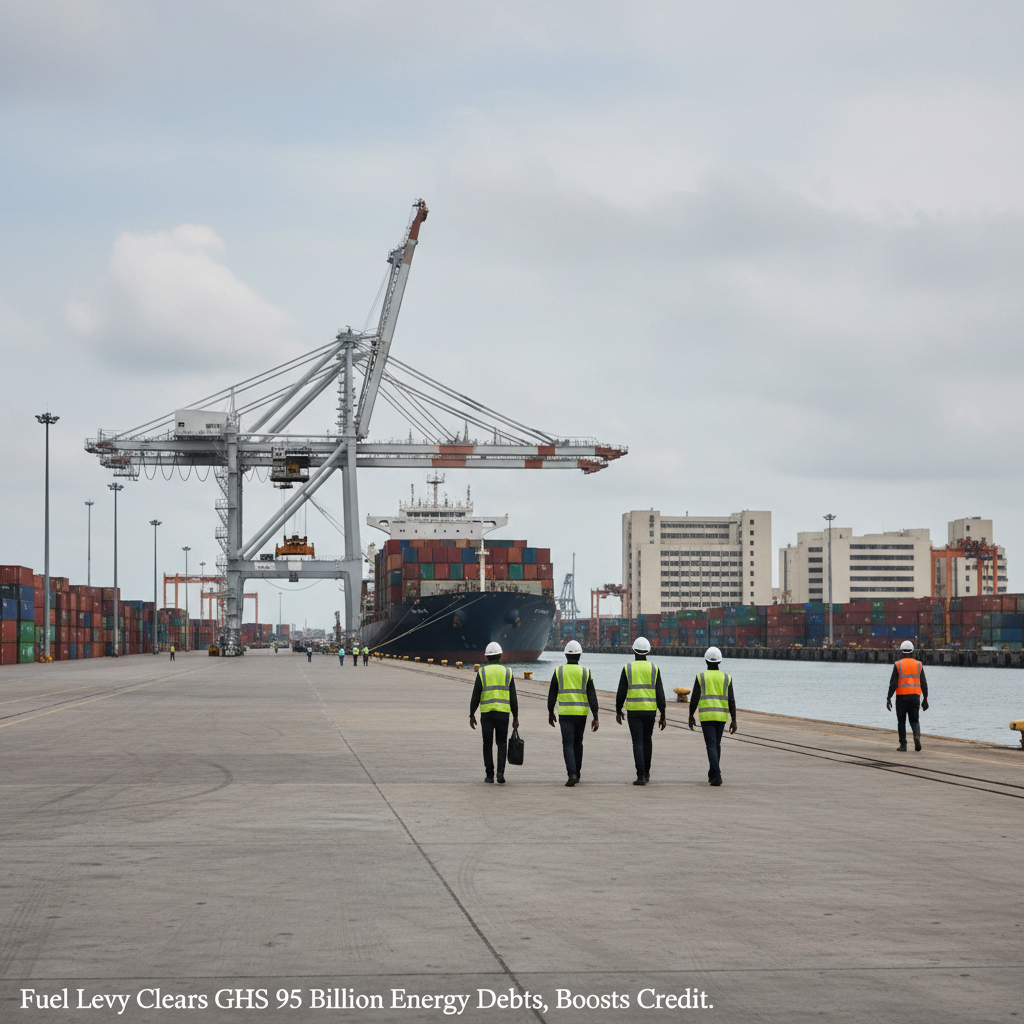
Ghana's GHS 1 per litre fuel levy has facilitated the clearance of approximately 8 billion US dollars in energy sector debts.
This significant financial intervention settled long-standing arrears owed to Independent Power Producers (IPPs) and gas suppliers. The funds also helped restore critical World Bank risk guarantees, substantially improving Ghana’s credit outlook.
The energy sector has historically grappled with substantial legacy debts, significantly impacting its operational efficiency and Ghana's overall financial health. The introduction of the GHS 1 fuel levy was a direct response to these accumulating liabilities. These debts strained government finances and deterred new investments in power generation and infrastructure.
Dr. Shaffic Suleman, Executive Secretary of the Public Utilities Regulatory Commission (PURC), highlighted the levy's impact. He stated the funds, amounting to about 8 billion US dollars, were crucial for debt resolution. Dr. Suleman referenced a Ministry of Finance report affirming the allocation of these funds. He made these remarks on Joy News’ PM Express Business Edition.
The successful deployment of these funds has cleared most arrears for IPPs and helped regain risk guarantees on the Sankofa Gye Nyame gas production. Furthermore, Ghana has paid off accumulated debt that previously jeopardized its credit rating. This includes restoring the World Bank risk guarantee with ENI, which significantly enhances Ghana's financial reputation. Additional payments also went to gas suppliers, specifically the 70 million US dollars to Sankofa partners and payments to Jubilee Partners Gas Supply.
These interventions directly support maintaining a stable electricity supply across the country. Despite these debt-clearing efforts, the energy sector still requires ongoing financial support. Dr. Suleman revealed the Ministry of Finance must provide approximately 92 million US dollars monthly to sustain consistent power supply. This continued expenditure highlights the persistent fiscal pressures on Ghana's power sector, even with improved credit outlook and reinstated international guarantees. The continuous financial requirement underscores the need for sustainable funding mechanisms beyond the existing levy.