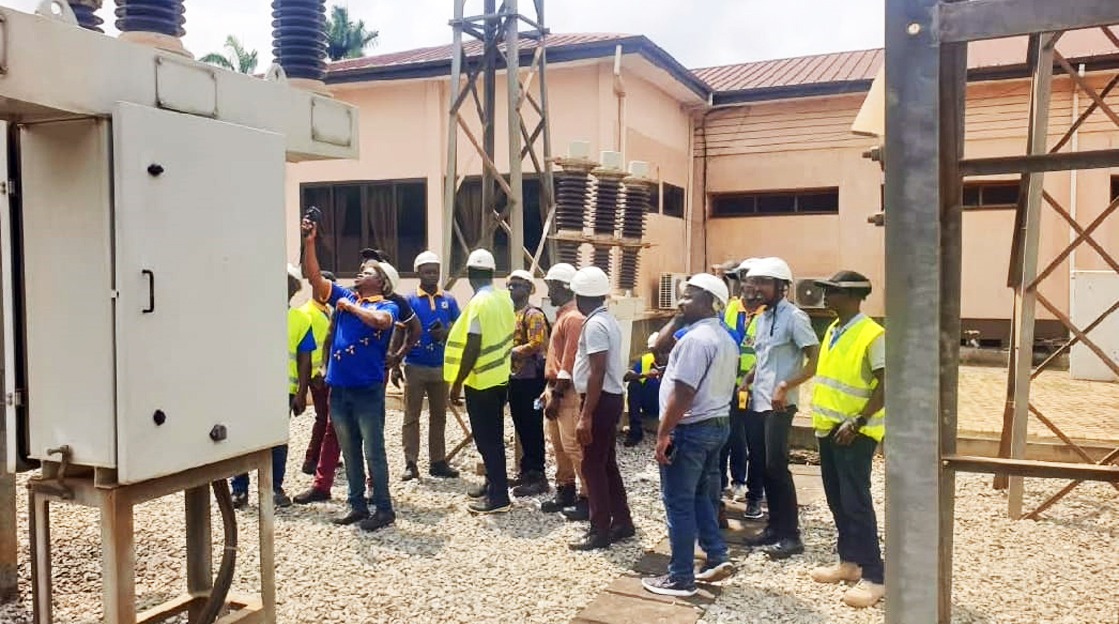
The Electricity Company of Ghana (ECG) has trained 23 technicians and engineers in the Ashanti Sub-Transmission Region in Infrared Thermography. This move aims to strengthen preventive maintenance and reduce equipment-related power outages across the region.
The two-day intensive refresher training took place in Kumasi last week. It equipped participants with crucial skills to detect abnormal heat, commonly called ‘hotspots’. These hotspots appear on critical electrical infrastructure before they develop into major faults, causing disruptions.
This initiative forms part of ECG’s broader strategy to enhance operational efficiency. It also seeks to improve the reliability of electricity supply across the Ashanti Region. Unplanned power outages significantly impact businesses and daily life, costing the Ghanaian economy substantial amounts annually. Reliable power is essential for economic growth and stability.
Ing. Edem Evans Agra, Sub-station and Switchgear Maintenance Manager, highlighted the technology's benefits. He stated, “Early detection of hotspots will reduce unexpected equipment failures, minimize power interruptions, and extend the lifespan of critical assets.” This proactive approach is vital for maintaining a stable power grid.
Under Infrared Thermography, thermal imaging cameras identify unusual temperature patterns on various components. These include sub-stations, pylons, cables, and switchgear. This allows maintenance teams to intervene promptly before equipment failure occurs, preventing widespread blackouts.
The programme combined classroom theory with practical field exercises. Ing. Christopher Anafo, Acting General Manager of Ashanti Sub-Transmission, opened the training. Ing. Randy Delanyo Adjorlolo from ECG Head Office in Accra facilitated the sessions, sharing expert knowledge.
This training represents a proactive step towards strengthening ECG’s preventive maintenance culture, according to Ing. Adjorlolo. It moves away from reactive repairs to a more foresightful approach. This shift is crucial for a utility company managing extensive infrastructure.
Collins Manu, Head of Public Relations for Ashanti Sub-Transmission, briefed the media on the initiative. He explained that it complements ECG’s ongoing network improvement efforts. While the company invests in network upgrades, the Ashanti Sub-Transmission team actively identifies and mitigates potential faults.
This focus on preventive maintenance is expected to yield significant economic benefits. Reduced outages mean less downtime for businesses and industries. This directly supports productivity and economic output in the Ashanti Region. It also improves customer satisfaction and trust in the national power provider.
The investment in staff training and advanced technology underscores ECG's commitment to modernizing its operations. This aligns with national goals for energy security and reliability. Continuous professional development for technical staff is key to achieving these objectives.