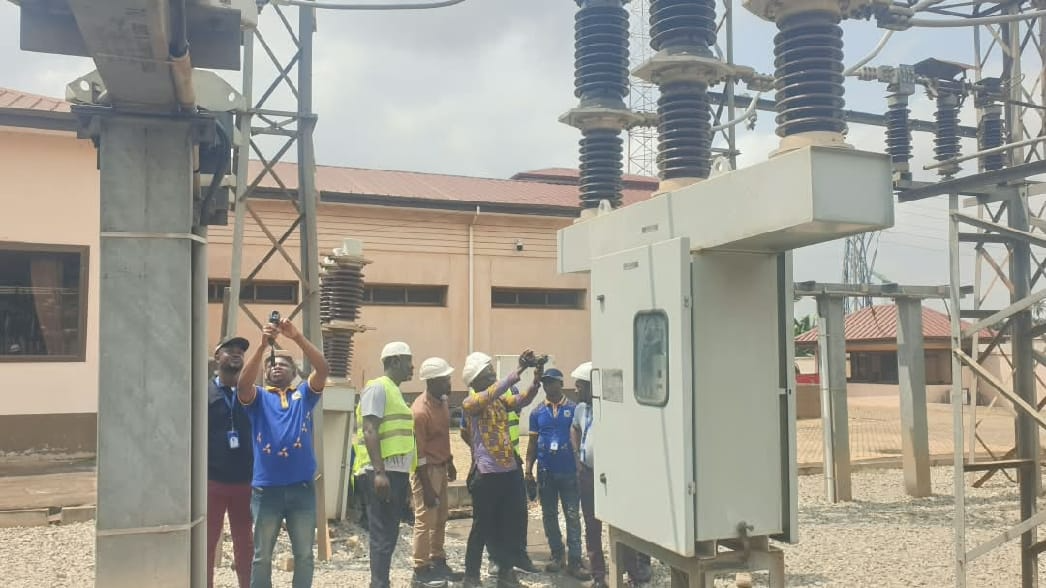
The Electricity Company of Ghana (ECG) has trained 123 engineers and technicians in infrared thermography. This initiative aims to strengthen preventive maintenance and reduce equipment-related power outages in the Ashanti Region.
The intensive two-day training in Kumasi equipped technical staff with crucial skills. They learned to detect abnormal heat, known as “hotspots,” on vital electrical infrastructure. Identifying these issues early prevents them from escalating into major faults and widespread power disruptions. This proactive approach directly addresses a key cause of unreliable power supply.
This training fits into Ghana’s broader economic narrative of improving infrastructure reliability. Consistent electricity supply is vital for industrial growth and household stability. Frequent power cuts, locally known as 'dumsor,' have historically hampered economic activity. Investments in maintenance and technology like this are crucial for sustaining economic development across regions. Reliable power supports small businesses and large industries alike.
Ing. Randy Delanyo Adjorlolo from ECG headquarters facilitated the training. He stated, “This training is a proactive step towards strengthening ECG’s preventive maintenance culture.” This highlights ECG’s commitment to moving beyond reactive repairs. Ing. Edem Evans Agra, Substation and Switchgear Maintenance Manager, added that early detection of hotspots will reduce unexpected equipment failures. It will also minimise power interruptions and extend the lifespan of critical assets. This approach protects the network and serves customers better.
The immediate implication is a potential reduction in unscheduled power outages for residents and businesses in the Ashanti Region. Improved network reliability could boost local economic productivity. Decision-makers will monitor the impact on power supply stability. This training also sets a precedent for similar initiatives in other regions. It signals a strategic shift towards more robust infrastructure management. The long-term goal is to enhance overall operational efficiency across ECG’s network. This will lead to a more stable and predictable power supply nationwide. This investment in human capital and technology is a critical component of modernising Ghana's energy sector. It directly supports the nation's economic aspirations by ensuring consistent power delivery. The training ensures that the existing infrastructure is maintained to the highest standards. This reduces the need for costly emergency repairs. It also extends the operational life of valuable assets. This strategic investment benefits both consumers and the national economy.