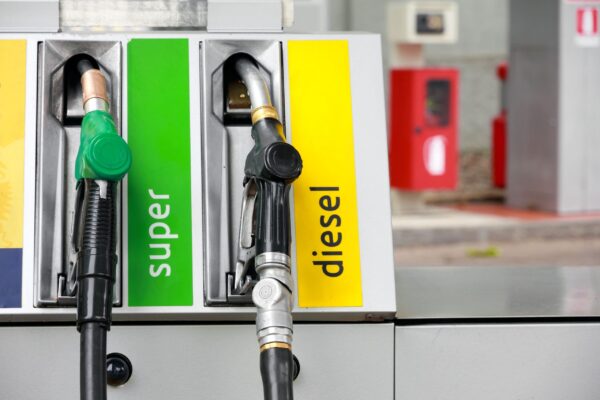
Ghanaian consumers will experience varied fuel price adjustments starting August 16. Diesel prices are projected to increase by 1.39% in the second pricing window of August. Conversely, petrol prices will decline by 2.90%, and Liquefied Petroleum Gas (LPG) will fall by 0.93%.
This mixed forecast comes from the Chamber of Oil Marketing Companies (COMAC). The industry body attributes these changes to global crude oil price movements and the Ghana cedi's recent performance. International crude oil prices rose by 2.02% to 90.41 US dollars per barrel in mid-August. Geopolitical risks, including attacks on Russian and Saudi refining facilities, contributed to this increase.
These fuel price movements fit into Ghana's broader economic narrative of managing imported inflation and currency stability. The cedi initially depreciated by 1.20% against the US dollar between July 27 and August 11. However, it has since strengthened, with the Bank of Ghana rate at GHS 10.98 to the dollar on August 14. A stronger cedi helps reduce the local cost of imported petroleum products.
COMAC expects the government's intervention on diesel margins to continue supporting consumers. The government previously reduced the regulatory margin on diesel by GHS 2 per litre for one month. This action lowered the diesel price floor from GHS 16.97 to GHS 14.97 in the first pricing window of August.
The National Petroleum Authority (NPA) price floors align with COMAC's outlook. The petrol price floor decreased by GHS 0.61 per litre, from GHS 14.53 to GHS 13.92. LPG's price floor fell by GHS 0.08 per kilogram, moving from GHS 11.06 to GHS 10.98. Diesel's price floor, however, increased by GHS 0.22 per litre, from GHS 14.97 to GHS 15.19.
These changes mean some relief for drivers of petrol vehicles and LPG users. Diesel consumers, including many businesses and transporters, will likely face higher operating costs. Oil Marketing Companies (OMCs) will apply their own margins and charges, so these price floors are not final pump prices. The ongoing US-Iran dispute also adds uncertainty to global oil markets, influencing future price trends.
The implications for Ghana's economy are significant. Transport costs affect the prices of goods and services across the country. Higher diesel prices can lead to increased inflation, impacting household budgets and business profitability. The cedi's sustained appreciation could offer further relief in upcoming pricing windows. However, global crude and refined product prices remain volatile, posing continuous risks to Ghana's fuel costs. Policymakers and consumers will closely monitor these factors.