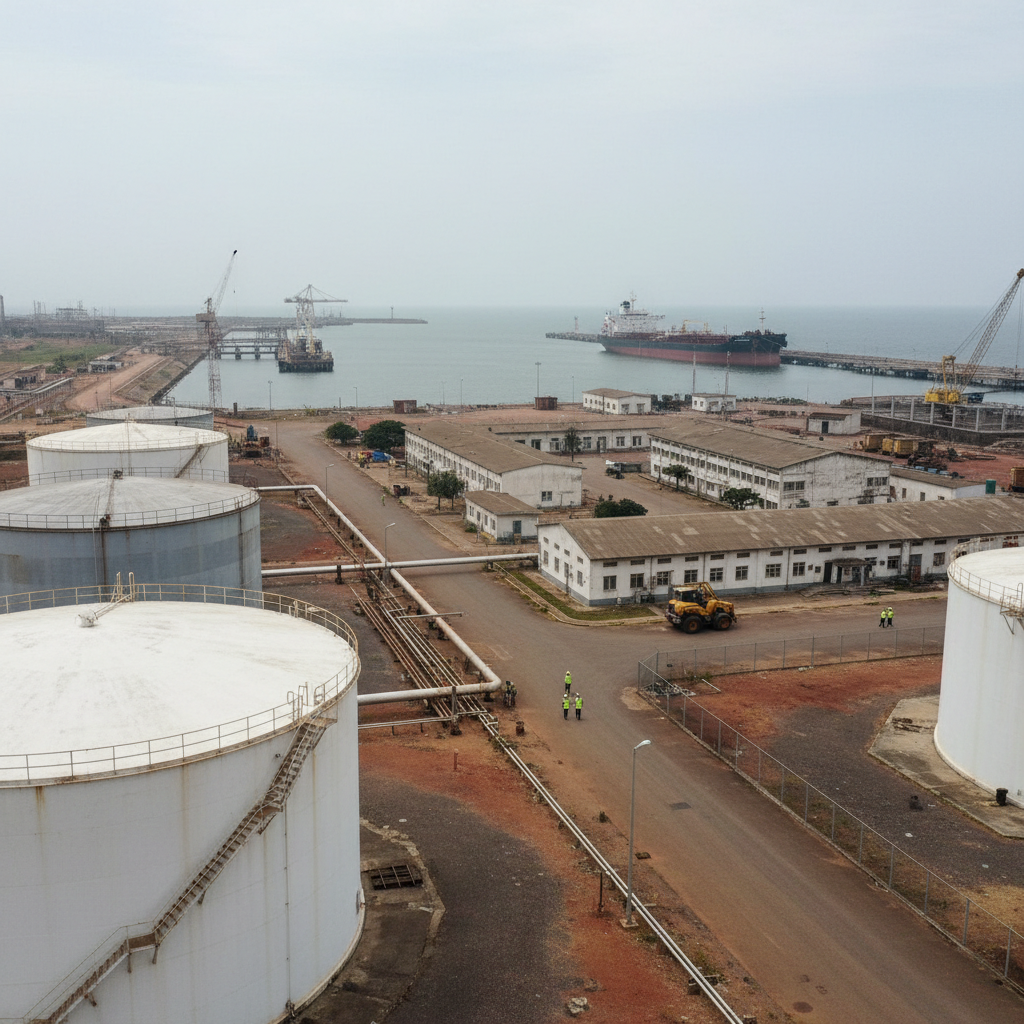
Nigeria's Dangote Petroleum Refinery has begun pricing fuel products for its local market in US dollars. A company spokesperson confirmed the change on Tuesday, attributing it to difficulties in securing sufficient crude oil under the government's naira-for-crude programme and rising global oil prices.
This move directly affects fuel marketers within Nigeria, who will now need to purchase dollars to buy fuel from Dangote. The naira-for-crude programme, launched in October 2024, aimed to allow domestic refiners to buy crude in local currency, thereby easing pressure on Nigeria's foreign exchange market. Dangote Refinery, with a capacity of 700,000 barrels per day, has set the ex-depot price for petrol at $0.779 per litre, diesel at $1.087 per litre, and aviation fuel at $0.942 per litre.
This development has significant implications for Nigeria's economy, particularly its foreign exchange reserves and inflation. The shift could heighten demand for US dollars among fuel marketers, potentially leading to further depreciation of the Nigerian naira against the dollar. This situation also makes domestic fuel prices more susceptible to global oil price volatility and exchange rate fluctuations, impacting the cost of living for average Nigerians. Nigeria's economy has historically struggled with foreign exchange shortages and high inflation, making this pricing change a critical economic indicator.
Edwin Devakumar, Vice President of the Dangote Group, stated that the refinery had previously absorbed a currency mismatch. It sold products in naira while largely sourcing crude in dollars. However, limited crude supply under the naira-for-crude programme made this arrangement unsustainable. The state-owned Nigerian National Petroleum Company (NNPC) increased Dangote's crude allocation to seven cargoes in May, up from about five previously. Despite this, the refinery requires 13 to 15 cargoes each month and has been forced to import the remaining quantities at international prices, which are dollar-denominated.
Moving forward, this decision will likely prompt close scrutiny from Nigeria's financial services industry and government. The immediate implication is an increased demand for US dollars within the Nigerian economy, which could further strain foreign currency reserves. Market analysts will watch how the Central Bank of Nigeria responds to these pressures and whether the Nigerian Midstream and Downstream Petroleum Regulatory Authority (NMDPRA) issues any directives. The change could also lead to higher domestic fuel prices, which could trigger public outcry and affect various economic sectors reliant on affordable transportation and energy. Businesses and consumers will need to adjust to potentially more volatile fuel costs, impacting budgeting and operational expenses across the nation.