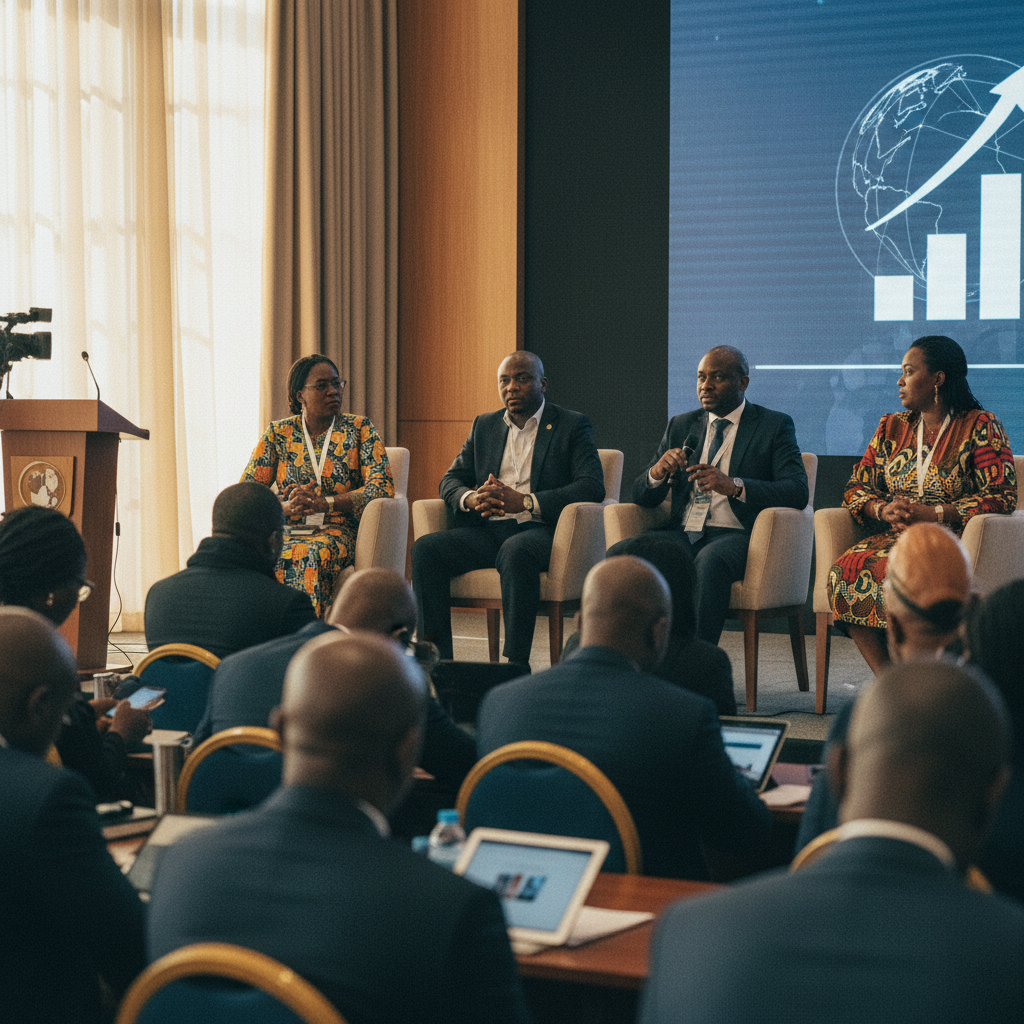
The COP31 President-Designate, Murat Kurum, has launched a global target to increase the share of final energy demand met by electricity to 35% by 2035. This initiative aims to accelerate the shift from direct fossil fuel use to clean electricity across buildings, transport, and industry. The current global share of electricity in final energy demand stands at just over 20%.
This aggressive electrification goal is a cornerstone of the COP31 Presidency’s Action Agenda. It seeks to protect families and businesses from the instability of energy markets. The target is based on analytical insights from the International Energy Agency (IEA) and the International Renewable Energy Agency (IRENA). These organizations provide robust data on global energy trends and transition pathways.
This initiative fits into Ghana’s broader economic and environmental goals. Ghana, like many developing nations, faces challenges in energy security and climate resilience. Increased global electrification could accelerate Ghana's transition to cleaner energy sources. This directly supports its commitments under the Paris Agreement and domestic sustainable development objectives. Ghana has an emerging electric mobility sector, for instance, which stands to benefit from a global push for electrification. This aligns with efforts to reduce reliance on imported fossil fuels and stabilize energy costs within the country.
Murat Kurum, Türkiye’s Minister of Environment, Urbanisation and Climate Change, stated, “By electrifying daily life, from transport to buildings and industry, we can protect families and businesses from volatile energy markets. This '35% by 2035' target will be one of the defining priorities of our COP31 Presidency.” He emphasized the need for a strong global coalition to achieve this objective. The COP31 Presidency is actively building such a coalition. This collaboration aims to implement actions towards meeting the ambitious target.
The COP31 Presidency also announced other significant targets under its Action Agenda. One goal is to halve the growth in global waste by 2035. This reflects a thematic focus on achieving zero waste. Food waste alone accounts for 10% of global emissions, primarily from potent methane gas. Another priority is reducing energy consumption intensity in the building sector by at least 25% by 2035. This particular initiative falls under the Resilient Cities priority. It aims to shield households and businesses from rising energy costs.
The COP31 Presidency is also developing new initiatives on critical topics like food security, circular materials in manufacturing, and climate education. The Climate Implementation Bridge is another key development. This initiative supports countries by linking national climate, economic, and development priorities. It is designed to ensure that climate finance reaches the ground more rapidly with greater impact. Simon Stiell, Executive Secretary of the UNFCCC, highlighted the urgency. He said, “Electrification has already sparked a global surge in clean energy, driving growth and jobs. Rewiring the global economy is crucial to kick the world’s addiction to coal, oil and gas.”
Ghanaian policymakers and businesses will heavily monitor the progress of these global targets. Success in achieving 35% electrification globally could unlock significant investment in renewable energy infrastructure within Ghana. It could also accelerate the development of local electric vehicle markets and energy-efficient building technologies. The broader implications include potential reductions in Ghana’s fossil fuel import bill. Increased adoption of clean energy could also create new jobs in construction, manufacturing, and maintenance. These developments would contribute to Ghana's economic stability and environmental sustainability. The Bonn Climate Change Conference, where these announcements were made, is a crucial precursor to the annual COP summit.