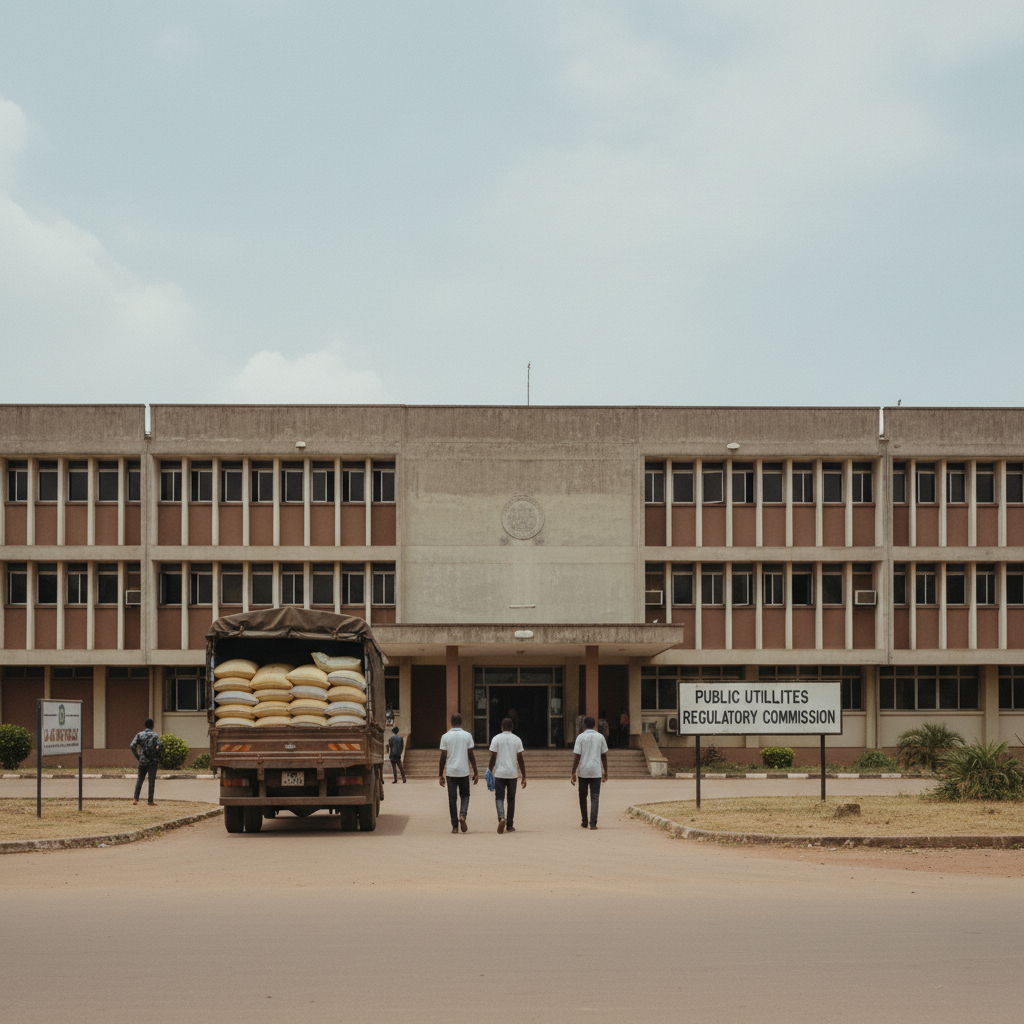
The Centre for Energy, Minerals and Sustainable Development (CEMSE) has called on the Public Utilities Regulatory Commission (PURC) to adopt the National Petroleum Authority's (NPA) transparent pricing framework. This recommendation follows PURC's decision to increase electricity tariffs by 3.49% and water tariffs by 0.85% for the third quarter of 2026. CEMSE stated that these recent utility tariff adjustments expose longstanding shortcomings in PURC's transparency and accountability.
CEMSE, an energy policy think tank, issued its statement on June 28. It highlighted what it described as “historical weaknesses” in PURC's tariff-setting methodology. The PURC had announced on June 22, 2026, that the tariff increases would become effective from July 1, 2026. The Commission explained that quarterly adjustments reflect changes in key variables. These variables include inflation, exchange rates, the electricity generation mix, and the cost of natural gas.
This call for transparency fits into a broader discussion about public trust in utility pricing in Ghana. Cumulative electricity tariff increases since the current administration took office amount to 26.82%. This figure has drawn criticism from the Minority in Parliament. They argue these increases are inconsistent with earlier commitments to ease the cost of living for Ghanaians. The ongoing debate underscores the need for clear communication on economic policies affecting household budgets.
CEMSE argues that PURC's current framework fails to publish the weightings assigned to key variables. This makes it difficult for consumers to verify whether tariff adjustments reflect actual operational costs. The think tank noted PURC references factors like the exchange rate and inflation but does not disclose each variable's influence. CEMSE contrasted this with the NPA's pricing regime, which provides detailed Petroleum Products Pricing Guidelines. These guidelines outline exact pricing benchmarks, conversion factors, and formulas. The NPA also publishes applicable pricing windows and exchange rates. This allows consumers and industry players to independently verify price adjustments.
CEMSE urged PURC to publish a comprehensive weighting framework for all macroeconomic and technical indicators. Such disclosures would improve regulatory credibility and strengthen public confidence. This would also reduce perceptions of arbitrary tariff adjustments. The think tank further recommended that PURC publish technical pricing parameters. These would be similar to the NPA's use of Platts FOB benchmarks and conversion factors. This would allow for independent assessment of tariff decisions by stakeholders. Mandatory and consistent disclosures can foster collective accountability and public benefit, CEMSE concluded.
The implications of CEMSE's recommendations are significant for Ghana's regulatory landscape. Adopting such transparency could lead to greater public understanding and acceptance of tariff adjustments. It could also mitigate political opposition to future utility price changes. Decision-makers at PURC will need to weigh the benefits of increased public trust against any perceived administrative complexities. Market participants and consumers will closely watch PURC's response to these calls for enhanced transparency.