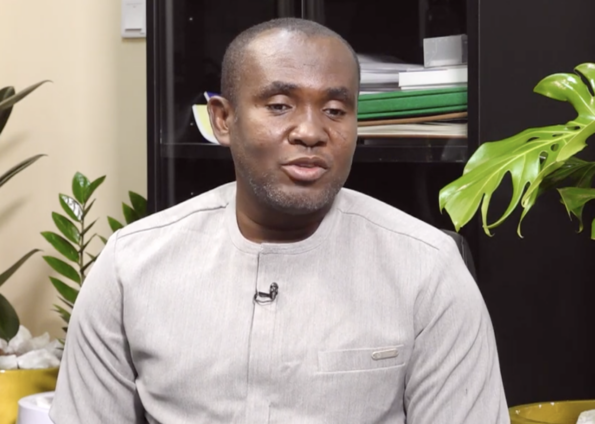
The Association of Ghana Industries (AGI) has formally urged the Public Utilities Regulatory Commission (PURC) to suspend its recently approved 3.5% electricity tariff increase. The AGI contends that falling global oil prices should reduce the cost of electricity generation, making a tariff hike unnecessary at this time.
Eric Defoe, Chairman of AGI’s Economic Affairs Committee, stated that the timing of the adjustment is inappropriate. He warned that the true impact on manufacturers could be much higher than the announced percentage. Mr. Defoe highlighted that while 3.5% appears modest, it could elevate overall production costs by 5% to 10% when considering other affected components.
This call to suspend the tariff increase comes amidst broader economic discussions in Ghana regarding energy costs and industrial competitiveness. The AGI's position reflects concerns within the manufacturing sector about rising operational expenses. Such increases directly affect pricing strategies and the general cost of living for Ghanaians. Ghana's economy currently navigates efforts to stabilize inflation and manage public debt.
Mr. Defoe pointed to developments in the global oil market as a key reason for the PURC to delay. He noted that petroleum prices, which form part of the tariff adjustment formula, are now declining due to reduced geopolitical tensions. “If that’s going to go down, and at this time we are increasing tariffs, maybe they should wait a little bit more,” Mr. Defoe asserted.
The AGI argues that the PURC should not automatically implement tariff increases simply because a quarterly review is due. Regulators must consider the broader market conditions and their suitability. Mr. Defoe questioned the need for higher electricity costs when consumers already pay fuel levies that support the energy sector. These levies help cover generation costs and legacy debts.
Delayed implementation of the tariff increase could provide relief to industries facing other economic pressures. Decision-makers at the PURC will likely weigh these arguments against the operational costs of utility providers. Energy market watchdogs and businesses will closely monitor the PURC's response to the AGI's appeal. A decision to suspend or modify the tariff could influence future industrial production costs and consumer prices across Ghana.