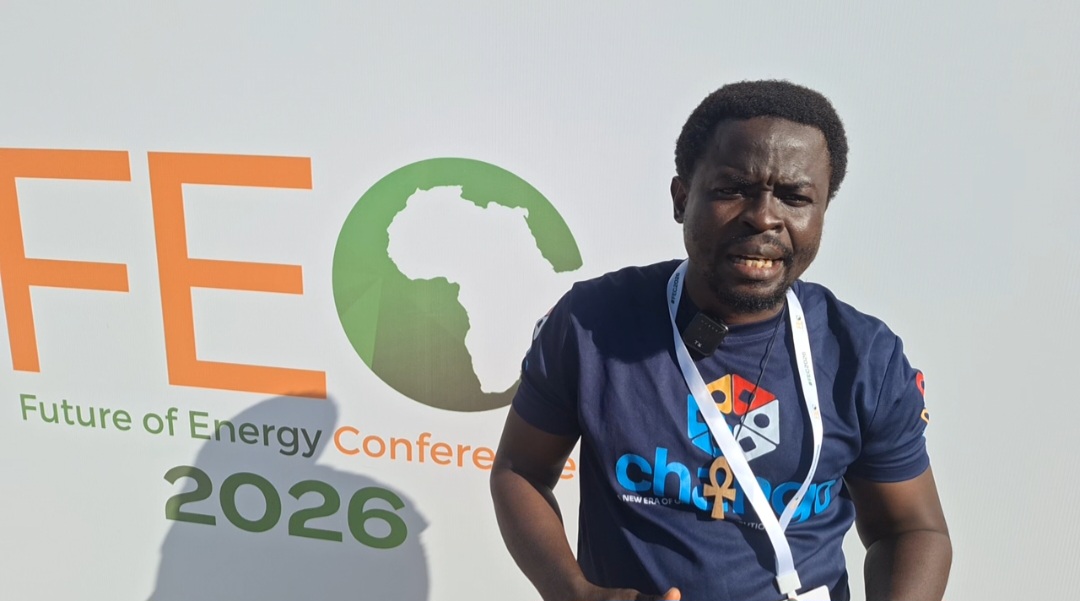
African nations have committed to providing electricity access to an additional 300 million people by 2030. This ambitious target, dubbed 'Mission 300', formed a central discussion point at the 2026 Future of Energy Conference (FEC) held in Accra, Ghana.
The initiative stems from a high-level meeting of Heads of State in Tanzania, where leaders acknowledged that 600 million Africans currently lack electricity. Mission 300 is one of five key pillars designed to address this energy deficit and drive continental industrialization. It directly supports the United Nations' Sustainable Development Goals (SDGs), particularly the goal for clean and affordable energy.
This commitment positions Africa at the forefront of global efforts to achieve sustainable energy access and industrial growth. The continent aims to leverage its abundant critical mineral resources to power this transformation. This strategy aligns Africa with international trends towards green energy and responsible resource management. Ghana's role in hosting the FEC underscores its commitment to these continental objectives.
Dr. Emmanuel Victor Brown, Chief Executive Officer of Civil Society for AfCFTA, praised the Accra conference. He stated the event demonstrated that "Africa — Ghana in particular — is not being left behind in whatever that is going on at the UN." Dr. Brown emphasized the conference's focus on industrialization and how Africa can utilize its resources effectively.
The conference also highlighted other crucial pillars of Africa's energy strategy. These include promoting clean cooking solutions and accelerating the transition to green energy. Ghana's Energy Minister and Finance Minister, Dr. Cassiel Ato Forson, both attended the event. Their presence reinforced the government's support for these initiatives and their alignment with global energy trends.
The 2026 FEC, organized by the Africa Centre for Energy Policy (ACEP), brought together diverse stakeholders. Policymakers, civil society representatives, academics, and researchers from across Africa participated. The event also hosted the AFREIKH Summer School and Innovation Challenge. This focused on battery value chains, critical minerals, and energy storage solutions. These discussions are vital for shaping practical pathways for Africa's industrial future.
The continent's rich deposits of critical minerals, such as lithium and cobalt, are essential for renewable energy technologies. Developing local processing and manufacturing capabilities for these minerals can create significant economic value. This approach moves beyond simply exporting raw materials. It fosters job creation and technological advancement within Africa.
Achieving Mission 300 will require substantial investment in energy infrastructure. This includes expanding national grids and promoting off-grid solutions like solar mini-grids. Public-private partnerships will be crucial to mobilize the necessary capital. International cooperation and technology transfer are also vital for success.
The focus on critical minerals and industrialization represents a strategic shift for Africa. It aims to ensure the continent benefits fully from the global energy transition. This pathway seeks to avoid past patterns where Africa's resources primarily benefited external economies. The outcomes of such conferences will guide policy decisions and investment flows in the coming years.
Ghana's active participation in these discussions reinforces its leadership role in regional energy policy. The nation's commitment to clean energy and sustainable development is clear. This strategic direction is expected to attract further investment and foster innovation in the energy sector. The next steps involve translating these conference discussions into concrete actions and measurable progress towards the 2030 goals.