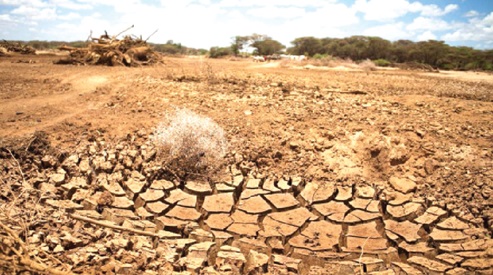
African nations confront a significant paradox in the global climate change discussion. While the continent contributes less than 4% of global greenhouse gas emissions, it disproportionately suffers from the severe impacts of climate change. Developed nations, historically reliant on fossil fuels for their own industrial growth, now urge Africa to limit its use of these energy sources.
This call for a 'just energy transition' presents a fundamental challenge for Africa's economic development. Scholars advocate for an immediate global shift away from fossil fuels. However, African nations require access to affordable energy, including fossil fuels, to power industrialization and create millions of jobs. This need is critical for boosting living standards across the continent.
This situation fits into a broader narrative of economic development and resource exploitation. For decades, Africa has primarily served as a source of raw materials for industrialized countries. These resources are shipped out at low prices, processed elsewhere, and then sold back to African markets as finished goods. This cycle prevents African countries from adding value to their own resources and generating internal wealth.
Todd Mose, founder of Energy Growth Hubb, highlights the direct link between energy use and economic progress. He states that "no country in human history has ever moved from poverty to prosperity without using massive amounts of energy." African billionaire Aliko Dangote similarly asserts that "Africa must produce what Africa uses." These statements underscore the continent's urgent need for substantial energy to industrialize.
The current global pressure on Africa to abandon cheap fossil fuels risks deepening its economic dependency. Without affordable energy, local manufacturing struggles to compete with established industrial powers. This scenario could perpetuate the export of raw materials and the import of finished goods, which Dangote terms "exporting jobs and importing poverty."
Looking ahead, African leaders and policymakers must strategize a balanced approach. Industrialization remains a core imperative for job creation and poverty reduction. This process will require harnessing Africa's abundant energy resources, including both fossil fuels and renewable sources like solar, wind, and hydro. Developing the technology and infrastructure to utilize these resources effectively will be key to a sustainable and prosperous future.
The debate will center on how Africa can achieve its industrial goals while minimizing environmental impact. Decision-makers must weigh the immediate need for economic growth against long-term climate considerations. The international community's role in supporting Africa's energy transition, respecting its development needs, will also be crucial.