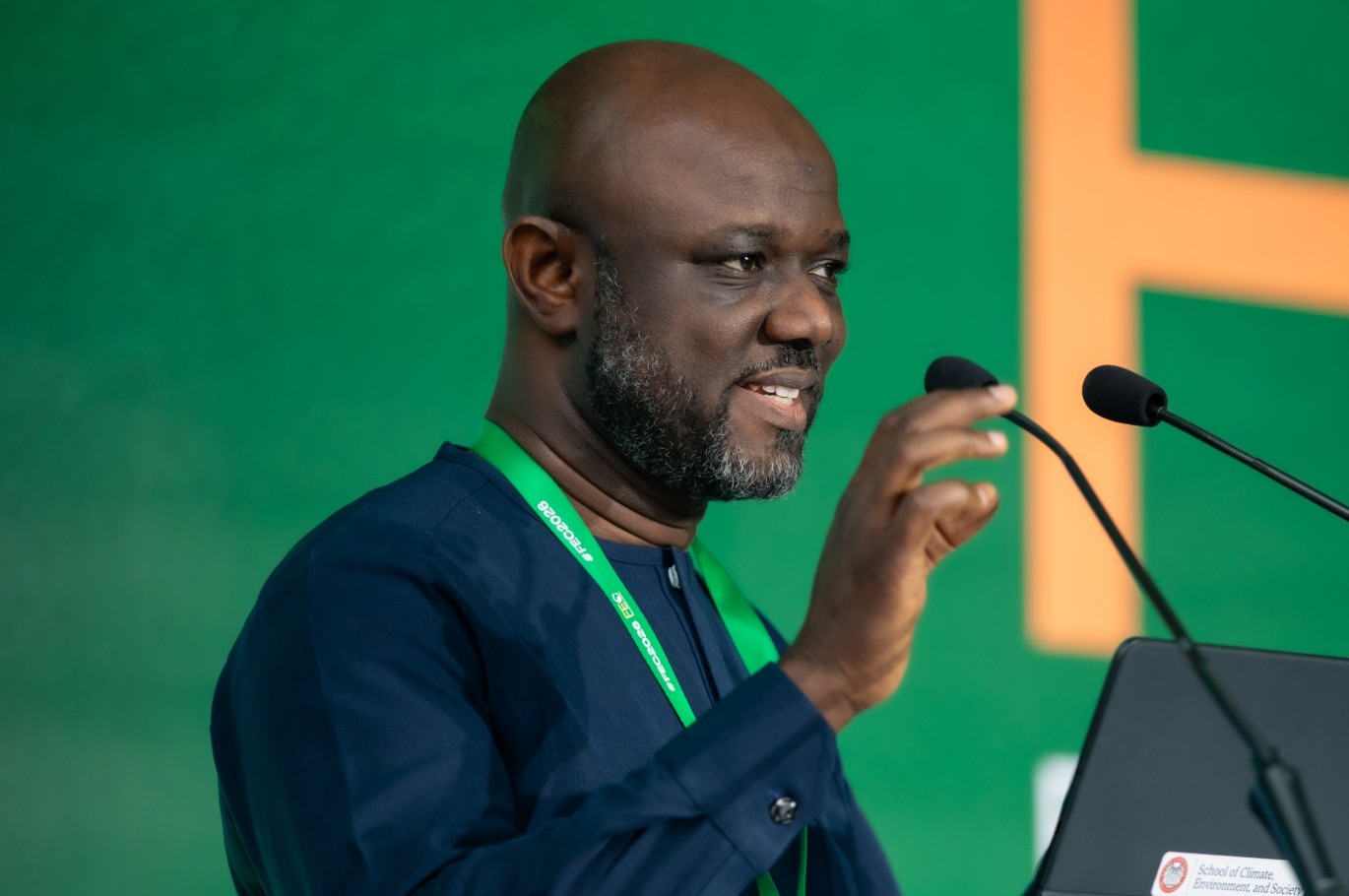
The Africa Centre for Energy Policy (ACEP) has urged Ghana to champion affordable and resilient energy systems across Africa. This initiative aims to drive the continent's industrialisation efforts.
Mr. Benjamin Boakye, ACEP's Executive Director, stated that Ghana's upcoming chairmanship of the African Union (AU) provides a unique opportunity. This role allows Ghana to place energy affordability, industrialisation, and energy security high on the continental policy agenda.
This call comes as Africa faces increasing global energy and trade developments that could raise the cost of energy-transition technologies. These challenges include uncertainties in the global supply chain for solar panels and battery storage. A coordinated African response is essential to navigate these complexities and ensure sustainable development.
Mr. Boakye made this crucial call at the 2026 Future of Energy Conference (FEC) in Accra. He emphasised that affordable energy is fundamental for Africa's economic transformation. Manufacturing, natural-resource processing, job creation, and digitalisation all depend on reliable and competitively priced electricity. He firmly stated, "We cannot build globally competitive industries on globally uncompetitive energy."
ACEP's Executive Director highlighted that energy affordability should be viewed as an integral part of industrial policy. It should not be treated solely as a utility-sector issue. High energy costs directly increase production expenses, which then constrain the competitiveness of African enterprises. Therefore, energy policy and industrial policy must be closely linked for effective economic growth.
Beyond national measures, Mr. Boakye advocated for stronger regional cooperation. He suggested leveraging Africa’s power pools to improve electricity trading and optimise diverse energy resources. Deeper integration requires future energy infrastructure designed for interoperability, avoiding unnecessary costs. This approach ensures more efficient and cost-effective energy distribution across borders.
Mr. Boakye also stressed the need for innovative approaches to financing and structuring energy projects. The cost of capital directly impacts electricity prices, making efficient financing critical. He cited Ghana’s renegotiation of Independent Power Producer (IPP) contracts as a successful example. ACEP supported this exercise, which resulted in significant financial benefits.
The IPP renegotiation contributed to savings of approximately $250 million in debt. It also saved an estimated $7 billion in future payments and commitments. This experience demonstrated that reducing energy costs does not always require new power plants. Substantial savings can be achieved through better contracts, financing arrangements, and risk allocation. This model offers a valuable lesson for other African nations seeking to optimise their energy sectors.
Mr. Boakye urged African countries to combine stronger institutions, better data, appropriate technologies, innovative financing, and regional cooperation. These elements are vital for building affordable, reliable, sustainable, and resilient energy systems. Energy must ultimately serve as an enabler of Africa's economic transformation, not a constraint on development. This comprehensive strategy will ensure a brighter economic future for the continent.