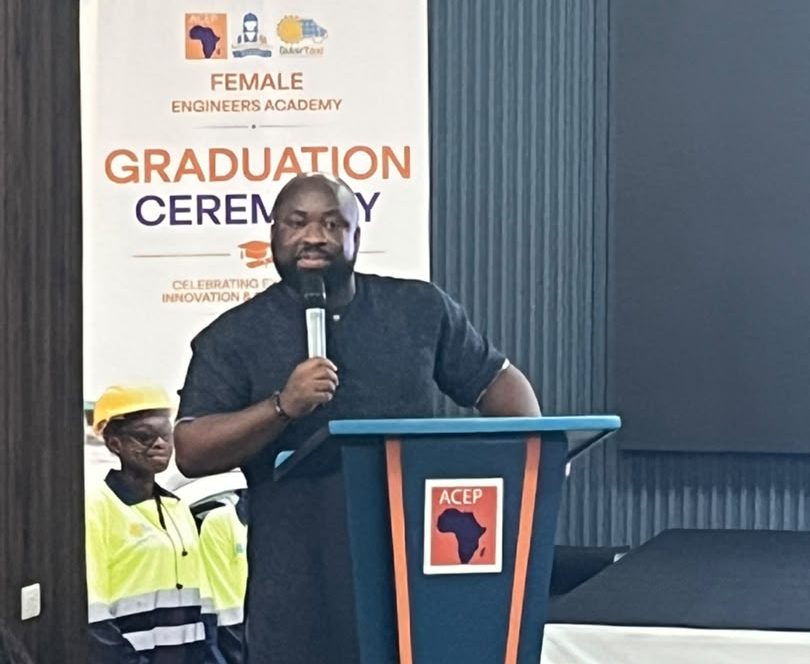
Ghana has graduated its first all-female green engineering cohort. 30 young women completed practical training in renewable energy and electric vehicle sectors.
This pioneering programme addresses a critical skills gap in Ghana's emerging green economy. It focuses on electric vehicle maintenance, solar panel installation, and solar system assembly. Participants also gained industry experience through internships with Solar Taxi Ghana.
The initiative matters because Ghana's green economy is rapidly expanding. This includes rooftop solar systems, battery storage, and electric vehicles. However, the country faces a shortage of skilled workers in these areas. Women are particularly underrepresented in engineering and technical fields.
Kodzo Yaotse of the Africa Centre for Energy Policy (ACEP) highlighted the programme's importance. He stated, “The transition to clean, sustainable energy in Ghana and across Africa cannot succeed if it excludes half our population.” ACEP partnered with Solar Taxi Ghana, with Ford Foundation support, to create this academy. It aims to bridge the gap between aspiration and practical competence.
The training helps women gain technical confidence and industry exposure. This is crucial for competing in sectors traditionally dominated by men. Electric mobility and renewable energy are rapidly growing globally. Ghana needs skilled professionals to support deployment as it reduces emissions and improves energy security.
The graduates are entering a market that is still developing. This creates opportunities for employment and entrepreneurship. Mr. Yaotse encouraged them to view their certificates as a foundation. They can build careers in employment, entrepreneurship, research, and public policy within Ghana's energy sector. The programme's practical focus offers a direct solution to the gender gap in technical fields. It moves beyond abstract discussions to provide tangible skills and industry connections. This approach builds a more diverse and skilled workforce for Ghana's clean energy future. The nation will require more engineers and technicians to manage expanding solar and electric vehicle sectors. These sectors are critical for businesses, households, and public institutions seeking reliable and affordable power.