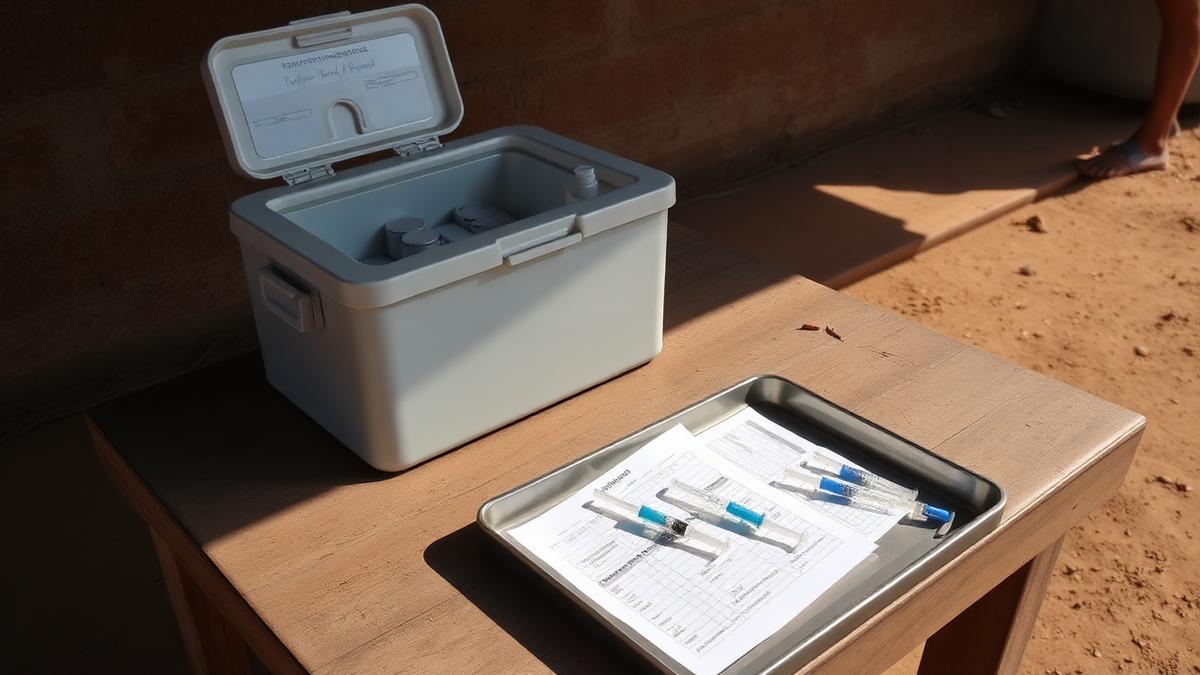
A Ghana yellow fever investigation has shown how low vaccination, weak awareness and mosquito breeding can combine into a deadly rural outbreak.
The study looked at the 2021 yellow fever outbreak in Wa East District in the Upper West Region.
There were 57 suspected cases between epidemiological weeks 41 and 46 of 2021. Out of these, 12 cases were confirmed in the laboratory. That means 21.1% of suspected cases were confirmed.
The outbreak was severe. Among confirmed cases, the case fatality ratio was 33.3%.
Before the outbreak, routine yellow fever vaccination coverage in the district was only 25%. After the mass vaccination campaign, it rose sharply to 95%.
The district's composite risk score was 83%, placing it in a very high transmission risk category.
Mosquito data also showed danger. The House Index was 48.5%, the Container Index was 36.1%, and the Breteau Index was 159.6. These were above WHO thresholds.
Public knowledge was also low. Only 22% of community respondents knew yellow fever is caused by a virus. Only 16% identified mosquitoes as the vector, and only 10% knew vaccination can prevent it.
The lesson is clear. Vaccines work, but only if people get them before an outbreak begins.