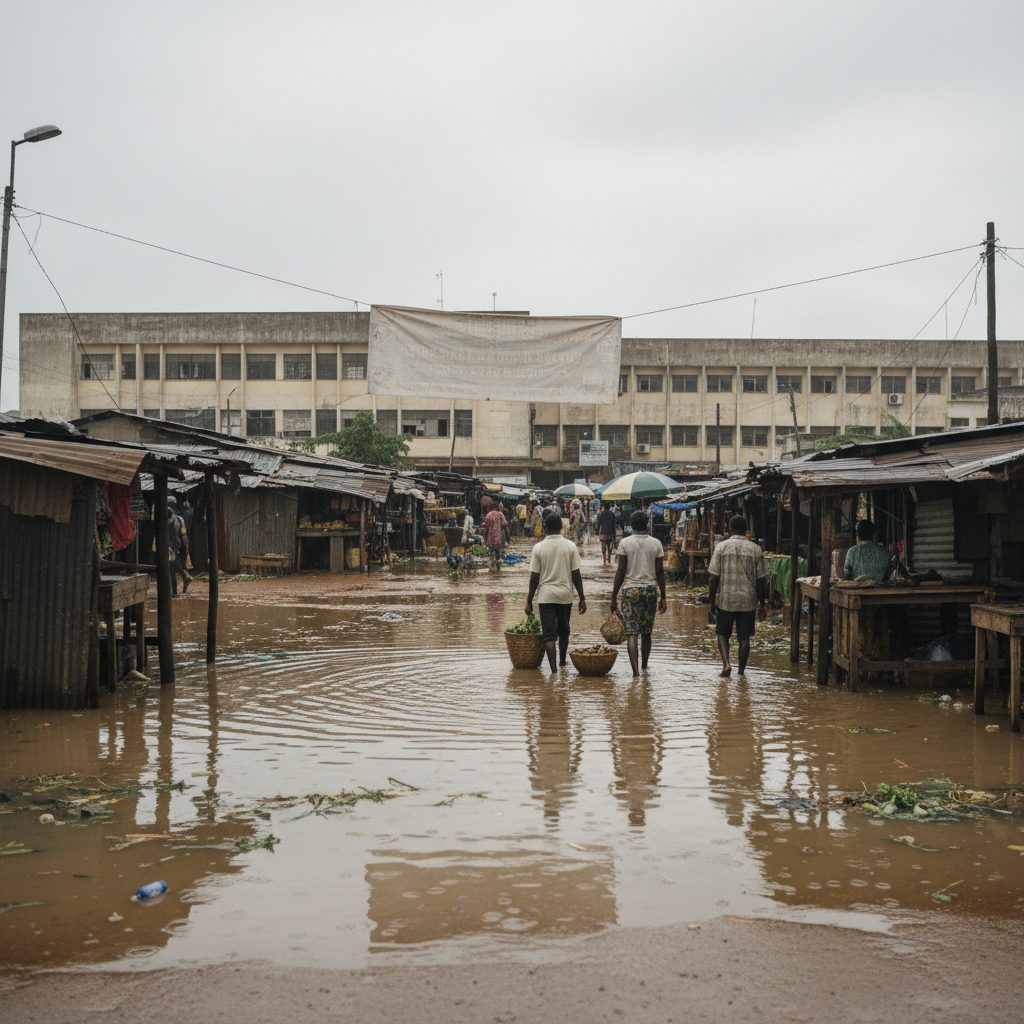
Veteran Ghanaian highlife musician and presidential staffer Rex Omar called for a fundamental shift in sanitation attitudes. He urged Ghanaians to embrace cleanliness as a continuous civic responsibility. Omar highlighted that recent devastating floods, including those in Accra, resulted from poor environmental practices. These practices include indiscriminate waste disposal and illegal building on waterways.
These environmental issues expose lives and property to avoidable disasters. The flooding consequences extend beyond damaged homes. They significantly affect businesses, livelihoods, and national productivity. Environmental neglect impacts even affluent residential areas, not just low-income communities. Unchecked environmental abuse has contributed to Ghana's persistent flooding problems for years.
This issue fits into Ghana's recurring challenge with urban planning and environmental enforcement. The National Disaster Management Organisation (NADMO) has frequently warned about flood risks. Despite these warnings, illegal construction in waterways and improper waste disposal persist. These actions undermine significant public health investments and economic stability. Ghana's annual economic loss due to sanitation issues is substantial, affecting key sectors.
Rex Omar made these remarks during a National Clean-up Exercise on Friday, July 10, according to JoyNews Online. He joined President John Dramani Mahama and other officials in flood-affected communities. Omar stated, “I believe that this shouldn’t be a nine-day wonder. It’s something that must be part of our way of life.” He further stressed that rigorous enforcement of environmental laws is crucial, beyond just public education. “The most important thing is that there must be enforcement,” he added.
Moving forward, decision-makers will likely face increased pressure to enforce environmental regulations. Markets and investors will observe how Ghana addresses these long-standing infrastructure and sanitation challenges. Effective policy implementation could bolster public confidence and economic resilience. Failure to act could lead to further economic disruptions and increased social costs. The recent floods serve as a critical warning for sustained action. Communities, government, and traditional authorities must collaborate to prevent future disasters. This includes strict adherence to building codes and waste management protocols. The nation’s productivity and social well-being depend on these coordinated efforts.