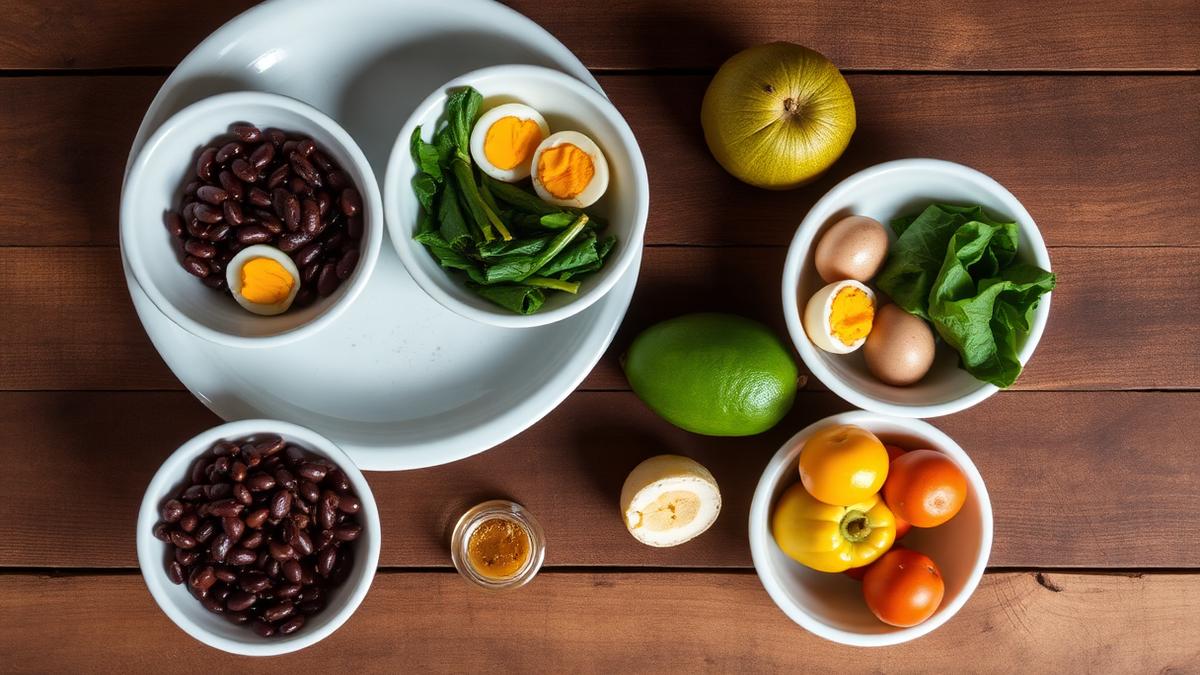
A national Ghana child nutrition study has found that fewer than 3 in 10 young children are getting the minimum variety of food recommended for healthy growth.
The study analysed 2,031 children from the 2022 Ghana Demographic and Health Survey. It focused on children aged 0 to 23 months.
Among children aged 6 to 23 months, only 28.3% met the minimum dietary diversity standard. This means they ate from at least 5 out of 7 food groups in the previous 24 hours.
The gap between rich and poor households was wide. Only 20.8% of children from the poorest homes met the standard, compared with 47.6% from the richest homes.
Mother's education also showed a strong divide. Just 16.6% of children whose mothers had no education met the standard, compared with 57.1% whose mothers had higher education.
Stunting affected 14.8% of children overall. Children with better food variety had 42% lower odds of being underweight.
The message is clear. Ghana's child nutrition problem is not only about whether children eat. It is also about what they eat and how many food groups they get.
The poorest homes need the most support.