Only 50% of Nigeria's private schools have registered on the Digitalised Nigeria Education Management Information System (DNEMIS). This incomplete data undermines the federal government's efforts to reform the education sector. Federal authorities are urging state governments, local authorities, and private school owners to complete their registrations.
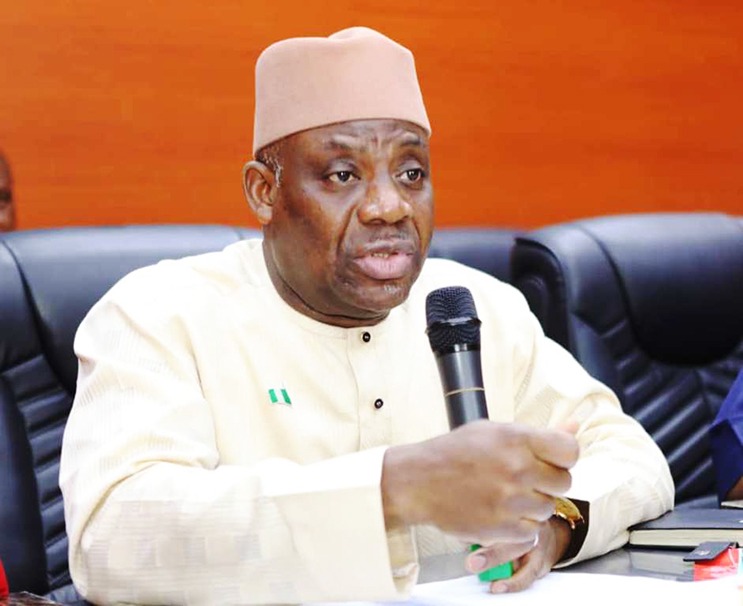
Dr. Tunji Alausa, Nigeria's Minister of Education, highlighted this development during the DNEMIS official launch in Abuja. The platform aims to provide real-time information on schools, teachers, enrolments, and infrastructure. Accurate and complete data is crucial for effective education planning, policy implementation, and service delivery across the country.
This registration gap impacts nationwide education planning and resource allocation. Nigeria's education sector serves over 50 million learners across approximately 90,000 public schools. The lack of comprehensive private school data creates significant blind spots for policymakers. This situation makes it difficult to assess overall educational needs or channel resources effectively. Past initiatives often faced challenges due to fragmented data collection.
Minister Alausa explained the platform's purpose. "Data allows us to monitor, design interventions, evaluate outcomes and plan proactively for the future," he stated. He emphasized that meaningful development is impossible without accurate data. He also reassured private school proprietors that the government is not collecting this information for tax purposes. Instead, the initiative seeks to acknowledge the critical role private schools play in Nigeria's education sector.
The low private school participation poses challenges for comprehensive educational reforms. Decision-makers need complete data to identify gaps, monitor progress, and allocate resources efficiently. This initiative will continue to face scrutiny regarding its effectiveness until private school registration improves significantly. Development partners, including the World Bank, the European Union, the Norwegian Government, and UNICEF, have supported this database development, signaling international confidence in its potential impact.
The government plans to continue encouraging private institutions to register and upload their data. A full understanding of the education landscape, encompassing both public and private institutions, is vital. Without this complete picture, efforts to improve educational outcomes across Nigeria will remain hampered. The success of DNEMIS depends heavily on achieving broader participation among private schools nationwide.