Broadcast journalist Jacqueline Ansomah Yeboah has called for sustained public accountability in Ghana's response to recurring floods. She states that Ghana's annual flooding crisis continues because public attention and institutional scrutiny fade once the immediate disaster passes.
Ms. Yeboah made these remarks during a discussion on Ghana's persistent flooding issues. She believes the country is stuck in a cycle where emergency responses overshadow long-term accountability. She highlighted that recurring floods are not only due to heavy rainfall or inadequate drainage but also a failure to hold institutions accountable after floodwaters recede. This lack of sustained oversight allows problems to re-emerge.
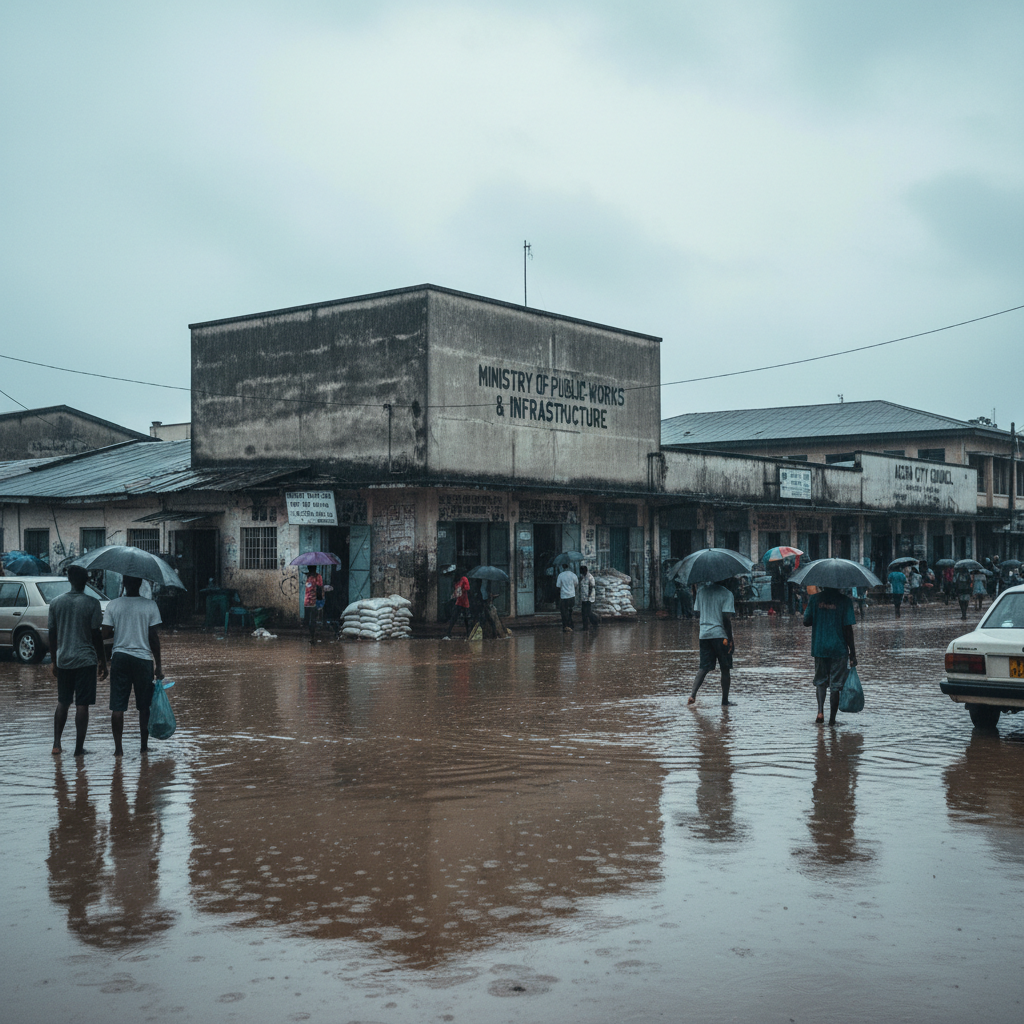
Ghana consistently faces annual flooding, especially in Accra and other urban centres. Heavy rains frequently displace residents, disrupt businesses, and destroy property. This situation exposes long-standing challenges in urban planning, drainage maintenance, and the enforcement of development regulations. The current approach often leads to recurring damage and economic losses across affected communities.
Ms. Yeboah stated, "It is the same story every year. Just different dates." She argued that media coverage has largely become reactive, focusing on immediate destruction. This approach pays insufficient attention to whether promised interventions are actually implemented. She stressed that accountability journalism should continue long after cameras leave disaster scenes.
Her comments underscore the need for consistent follow-up to ensure authorities deliver on crisis commitments. These commitments include demolishing illegal structures, desilting drainage systems, and relocating settlements in flood-prone areas. Without continuous public scrutiny, these interventions risk becoming mere announcements rather than completed actions. This cycle results in journalists and affected communities documenting similar destruction and hardship year after year. There is often little evidence of lasting change.
The implications of this call are significant for media houses and public policy. Media organisations may need to re-evaluate their reporting strategies to incorporate long-term investigative journalism on flood mitigation efforts. Policymakers and public institutions will face increased pressure to demonstrate tangible progress on flood prevention. This approach could lead to more effective implementation of urban planning and drainage projects. It could also improve the enforcement of building codes in flood-prone areas. Ultimately, sustained accountability could break the cycle of annual flood damage and its associated economic costs.