A study in Kpone-Katamanso has found that teachers value play as a way to build creativity and problem-solving skills in young children, but many classrooms do not have the tools to make it work well.
The study involved 15 participants and used interviews to understand how play-based learning is used in early childhood classrooms.
The findings show that teachers see play as useful. They believe it helps children think, explore, solve problems and express ideas.
But the problem is daily use. Some teachers struggle to balance play with curriculum demands. Others have not had enough professional development on how to use play properly in lessons.
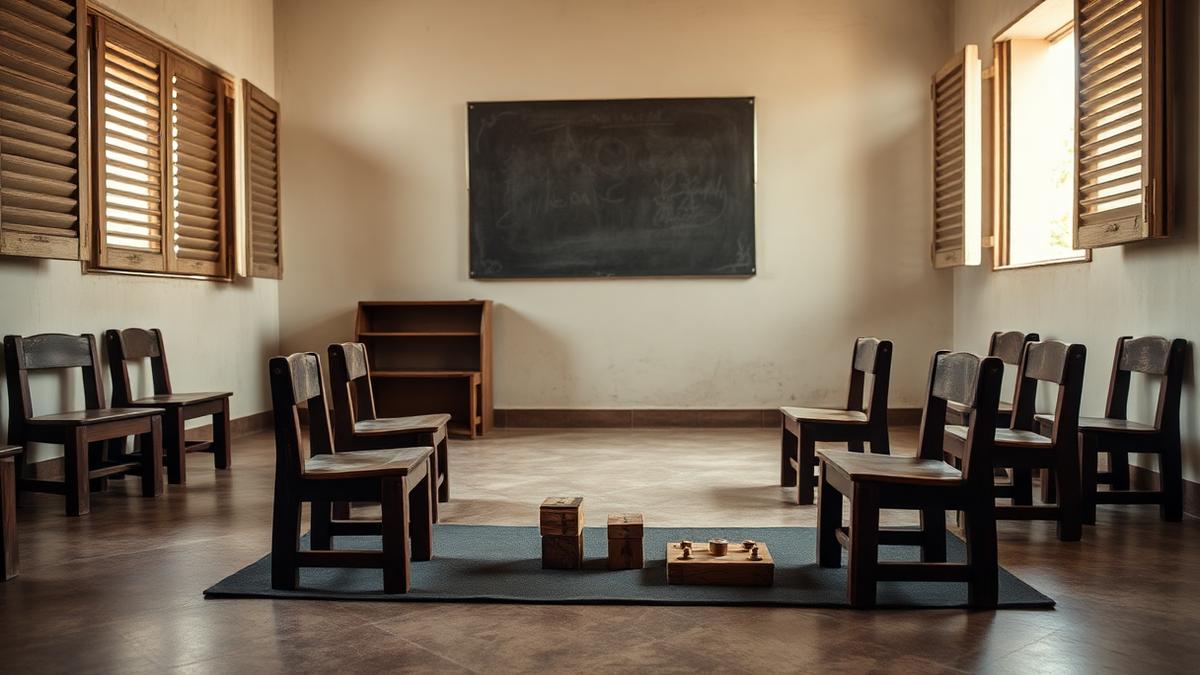
Resources are also a major barrier. Some schools have inadequate or outdated play materials.
Without good toys, learning aids and safe play tools, play-based teaching becomes harder.
Teachers also pointed to the role of municipal authorities. They said schools need better support with materials, training and monitoring.
This matters because early childhood education is not only about reading and writing. Young children also need chances to build confidence, social skills and problem-solving habits.
The message for Ghana's education system is simple. Asking teachers to use play is not enough. They need time, training and proper materials.