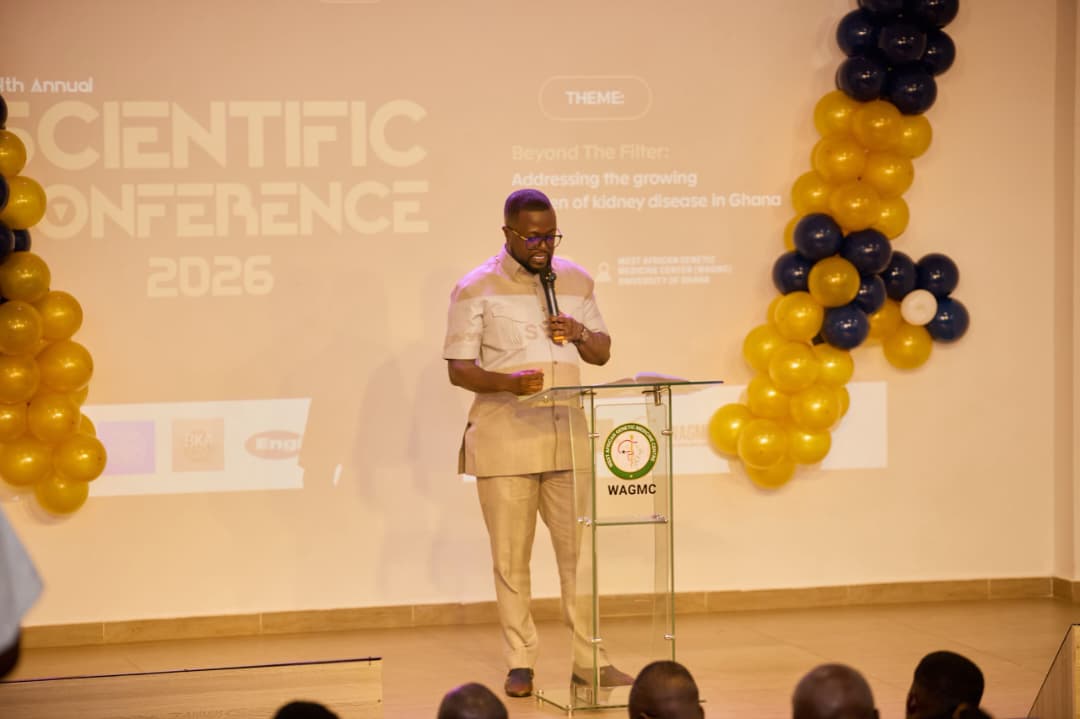
Kofi Tonto, a spokesperson for the New Patriotic Party's (NPP) Policy Committee on Employment, has urged Ghana to make significant, long-term investments in research, healthcare, and innovation. He stated that Ghana's primary development challenge is not a lack of talent but the absence of robust systems to convert this talent and research into national prosperity.
Speaking at the 14th Annual Scientific Conference of UG-MELSSA at the University of Ghana's WAGMC on August 7, 2026, Tonto emphasized the need for Ghana to establish institutions and national systems that can withstand changes in government. He argued that political transitions should not disrupt scientific research, healthcare development, or national innovation efforts. This approach aims to ensure continuous progress and avoid the waste of previous investments.
This call aligns with Ghana's broader economic aspirations to diversify its economy and enhance local value addition. Ghana has historically focused on raw material exports, making it vulnerable to global commodity price fluctuations. Investing in research and innovation can foster new industries, create high-skilled jobs, and reduce reliance on imports. Such strategic investments are crucial for achieving sustainable economic growth and improving living standards across the nation.
“Ghana’s greatest challenge has never been a shortage of talent. Look around this room. The talent is here,” Tonto remarked, highlighting the abundance of skilled professionals in the country. He noted that many Ghanaian innovators struggle because the systems required to identify, finance, develop, and commercialize their ideas remain weak. This systemic weakness hinders the translation of scientific discoveries into tangible economic benefits.
The implications of Tonto's proposals are far-reaching, suggesting a fundamental shift in national development strategy. Decision-makers will need to consider allocating substantial public funds and creating policy frameworks that encourage private sector participation in research and development. This includes fostering stronger links between universities and industries, and ensuring that scientific progress is not derailed by political cycles. The success of such initiatives could position Ghana as a leader in innovation within West Africa.
Tonto pointed to South Korea and Israel as examples of countries that achieved innovation leadership through deliberate, long-term investments in research and university-industry partnerships. These nations built systems that consistently produced and commercialized knowledge, demonstrating that scientific excellence is a result of strategic planning, not chance. Ghana can learn from these models to develop its own innovation ecosystem.
He cited Ghana’s response to the COVID-19 pandemic as evidence of the country's existing scientific capabilities. Ghanaian scientists successfully sequenced the virus's genome locally, providing crucial data for monitoring its spread. Ghana also supported neighboring countries like Togo and Benin by sequencing samples, showcasing its regional scientific leadership. This experience proves that Ghana possesses the foundational elements for internationally competitive scientific systems.
Tonto specifically addressed the conference theme of kidney disease, noting that Professor Vincent Boima of the University of Ghana estimates over 5 million Ghanaians may suffer from chronic kidney disease. He urged Ghana to develop local solutions for diagnosis and treatment, rather than relying on imported technologies. This includes investing in kidney research centers, diagnostic tools, and genomic research tailored to the Ghanaian population.
The vision is for Ghana to become a global hub for medical research, attracting international partnerships and specialized medical tourism. Young Ghanaian scientists should be able to develop and commercialize innovations locally, preventing a brain drain. This systemic approach aims to make excellence a predictable outcome, rather than an isolated achievement by exceptional individuals, fostering a vibrant and self-sustaining innovation economy.