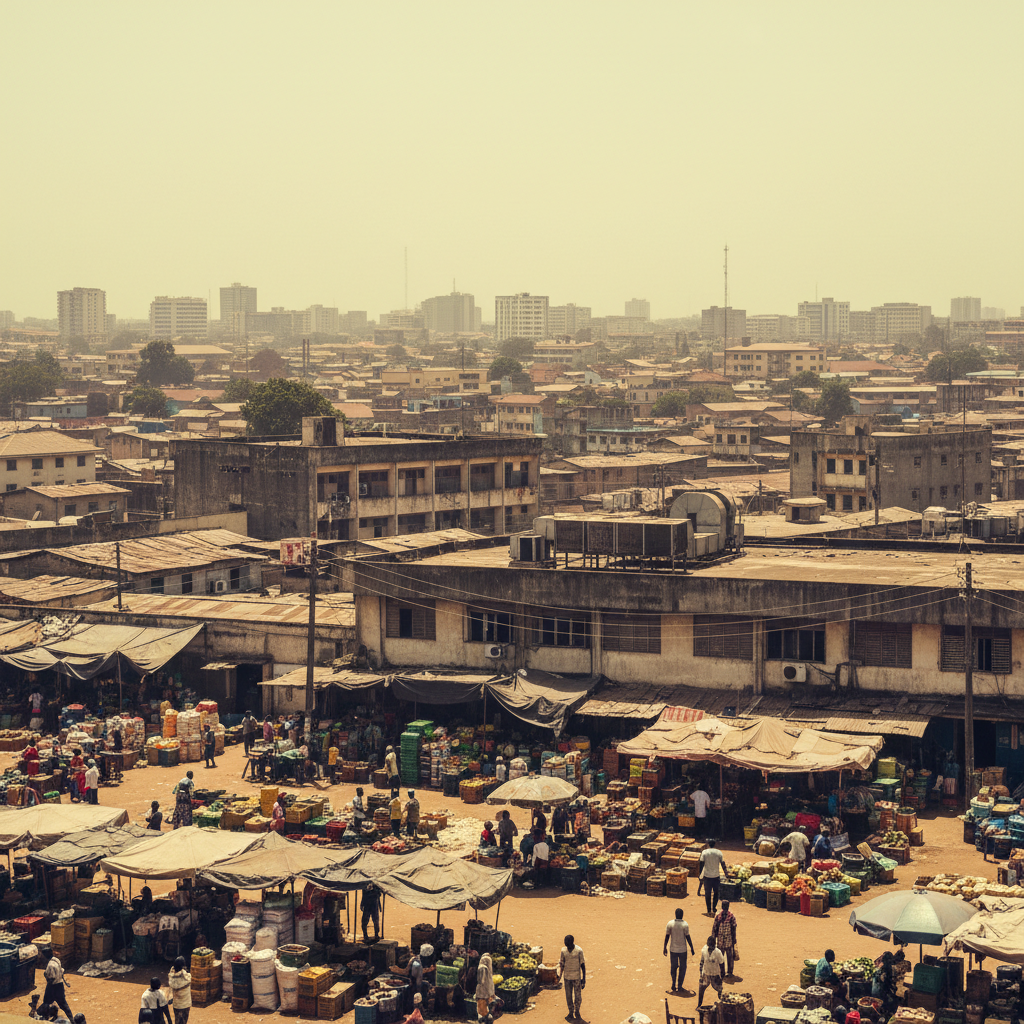
Extreme heat is reducing annual economic output by between 4% and 8% of a city's Gross Domestic Product (GDP) in studied urban areas. This phenomenon also contributes to more than 1,000 deaths each year, according to a report by Heat Resilience Action (HERA). The report, 'Counting the Cost of Heat: The Case for Urgent Solutions for Cities,' identifies extreme heat as a significantly underestimated threat to economic development.
This economic impact is largely due to decreased productivity and a disproportionate burden on women working in the informal economy. Women globally lose about US$57 billion in earnings each year because of extreme heat. These losses represent between 4% and 11% of their annual wages. Around 740 million women worldwide work in the informal sector, often lacking labour protections and social safety nets.
This trend fits into Ghana's broader economic narrative of climate vulnerability and its impact on human capital and productivity. Ghana, like many developing nations, has a large informal sector where workers are highly exposed to environmental conditions. Such economic losses can hinder national development targets and exacerbate existing inequalities. Climate change impacts, including rising temperatures, pose significant risks to Ghana's agricultural sector and urban labour force.
HERA stated that conventional adaptation responses often fail to reach informal workers and low-income communities. The organization emphasizes the need for tailored strategies to protect vulnerable groups from increasing heat stress. Mahmud Mohammed-Nurudeen reported these findings on June 29, 2026, for Joy News.
Going forward, policymakers in Ghana must consider these findings in urban planning and social protection programs. Investing in low-cost adaptation measures, such as heat response plans and cool roofs, can yield significant economic returns. Decision-makers should also explore heat-related income insurance for informal workers. Such interventions could reduce women's income losses by over 40% by 2050. Markets will likely respond positively to initiatives that mitigate climate risks and protect economic productivity.
The report examined the economic and health impacts in four cities with diverse climate conditions. These cities include Ahmedabad in India, Bangkok in Thailand, Monterrey in Mexico, and Freetown in Sierra Leone. In Bangkok, extreme heat reduces women's annual spending on their children by about US$500. Productivity losses reduce annual GDP by an average of 4% in Bangkok, rising to 8% in exceptionally hot years. In Freetown, extreme heat increases the average household debt-to-income ratio by 3% every year.
Heat-related mortality accounts for a larger proportion of deaths among women by as much as 20%. This is due to a combination of biological, social, and economic factors increasing their exposure and reducing their ability to adapt. Women typically reinvest up to 90% of their earnings into household needs. Income losses linked to extreme heat therefore reduce spending on education, healthcare, and nutrition. In Freetown, 91% of employed women work in the informal sector, compared with 83% of men.
Rising night-time temperatures are also an overlooked health risk, preventing the body from recovering from daytime heat exposure. Together with prolonged heatwaves, hot nights account for around 85% of heat-related deaths. Lower-income households are particularly vulnerable. Many of their homes are built with materials like corrugated iron and tin, which retain heat.
Adaptation measures, though, offer solutions. Heat response plans generate economic returns between 12 and 90 times their cost. Cool roofs can reduce indoor temperatures by 2°C to 7°C immediately after installation. These measures could reduce heat-related deaths in the studied cities by more than 36% by 2050.