Tema Oil Refinery (TOR) has reported a net profit of GHS 1.09 billion, marking a significant financial turnaround. This achievement follows a net loss of GHS 745 million, representing a dramatic shift in the state-owned enterprise's financial fortunes.
This historic profit is TOR's first net profit in nearly a decade, signaling improved operational efficiency and strategic management. The turnaround affects Ghana's public finances and the broader energy sector, demonstrating the potential for state-owned entities to contribute positively to the economy.
The refinery's previous struggles with debt, operational inefficiencies, and management challenges have long burdened the national budget. This new profitability aligns with the government's broader efforts to reform state-owned enterprises (SOEs) and enhance their contribution to Ghana's Gross Domestic Product (GDP). Such performance can reduce reliance on government subsidies and potentially free up funds for other critical development projects.
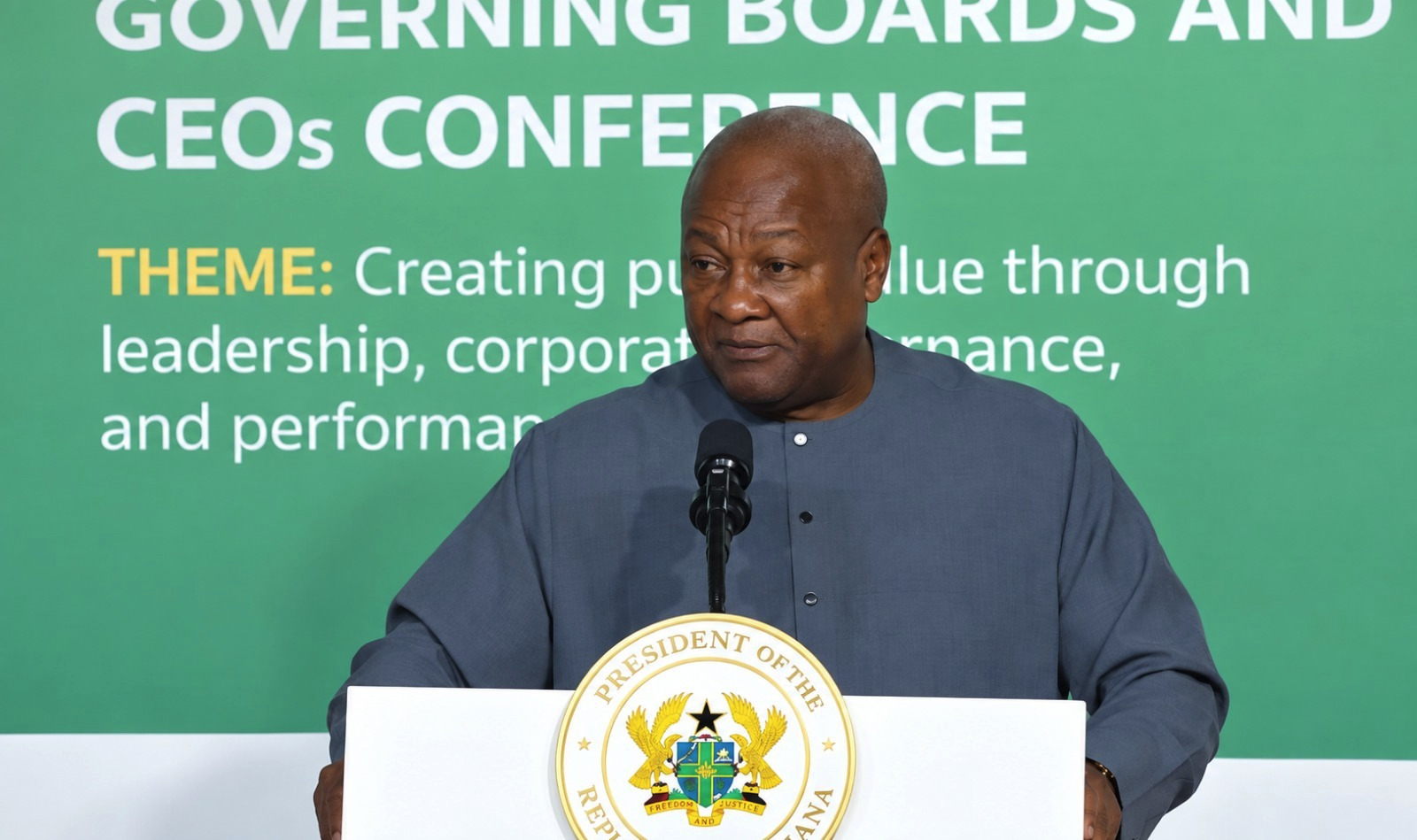
President John Dramani Mahama acknowledged TOR's improved performance during a conference for State Interests and Governance Authority (SIGA) Boards and Chief Executive Officers. He stressed the importance of state institutions pursuing higher standards of performance, stronger governance, and greater value creation for the country. The President urged leaders of state-owned enterprises to build on this progress and continue delivering results that benefit Ghanaian taxpayers.
This financial recovery is expected to bolster confidence in TOR's operations and support ongoing initiatives to restore its full operational capacity. A fully functional and profitable TOR can reduce Ghana's reliance on imported refined petroleum products, thereby conserving foreign exchange reserves. It also positions the refinery as a key player in ensuring energy security for the nation.
The turnaround suggests a successful implementation of strategies aimed at optimizing production, managing costs, and securing reliable crude oil supplies. This positive development could attract further investment into the refinery's infrastructure and technology, enhancing its long-term sustainability. Stakeholders will closely monitor TOR's ability to sustain this profitability in the coming fiscal periods.
Maintaining this positive trajectory requires continued strong governance and strategic planning. Future performance will depend on global oil price stability, efficient crude procurement, and effective management of operational costs. The government's commitment to supporting state-owned enterprises will also play a crucial role in TOR's sustained success. This financial milestone provides a blueprint for other struggling state-owned entities in Ghana.
The improved financial health of TOR could also have a ripple effect on local industries that supply goods and services to the refinery. Increased activity and profitability at TOR can create more jobs and stimulate economic growth in the Tema industrial enclave. This success story serves as a powerful example of what can be achieved through dedicated reform and robust leadership within the public sector.
Ghana's energy sector stands to benefit significantly from a revitalized TOR. A profitable refinery contributes to national revenue through taxes and dividends, strengthening the country's fiscal position. This financial achievement is a testament to the hard work and strategic decisions made by TOR's management and staff. It underscores the potential for state-owned enterprises to become engines of economic growth rather than financial liabilities.