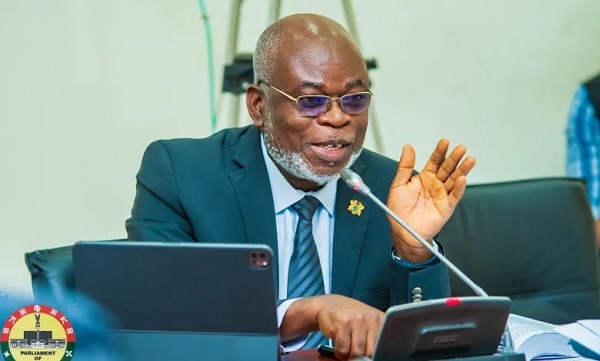
Ghana's Securities and Exchange Commission (SEC) has highlighted PetroSol PLC's entry onto the capital market as a significant milestone. This move demonstrates how established Ghanaian companies can increasingly finance expansion through corporate securities. It aims to reduce their primary reliance on bank credit for growth.
Dr. James Klutse Avedzi, Director-General of the SEC, stated this transaction adds a new investable security to the domestic market. He believes it could encourage other companies, particularly in Ghana’s capital-intensive petroleum industry, to consider debt-market financing. PetroSol’s journey from a small downstream company to a nationwide operator shows the growth the capital market should finance.
This development fits into Ghana’s broader economic narrative of deepening its financial markets and diversifying funding sources. Historically, Ghana's fixed-income market has been heavily influenced by government securities. The country possesses deep pools of institutional savings, particularly from pension and insurance funds. However, the range of corporate instruments available to absorb this capital has remained relatively narrow. Increasing credible corporate issuers can both diversify investor portfolios and broaden access to long-term domestic financing for Ghanaian businesses, aligning with national economic goals.
Dr. Avedzi commended PetroSol's shareholders and board for sustaining the company over 20 years. He noted its expansion from four service stations to 209 over the past decade. He expressed hope that PetroSol's medium-term note raising at a competitive interest rate would motivate other petroleum sector players to use the market. This would allow them to raise capital for expanding their operations.
For PetroSol, the transaction's importance lies in its business nature. Downstream petroleum companies need substantial capital to finance fuel inventories and expand retail networks. They also manage interest rate, fuel price, and foreign exchange fluctuations. Excessive dependence on short-term commercial bank facilities can be expensive and poorly matched to long-term expansion needs. Medium-term notes offer longer-tenor capital, providing institutional investors with securities offering returns above sovereign benchmarks.
The SEC's endorsement came with a crucial warning. Raising money from the public market creates obligations that continue after securities are admitted to trading. Dr. Avedzi urged PetroSol's board to institute systems and controls. These measures must ensure securities are served according to terms and conditions, safeguarding noteholders' interests and market integrity.
This point addresses a core challenge in Ghana's capital market development. A deeper market requires more than just increasing available securities. It needs issuers capable of meeting payment obligations and publishing reliable information. Strong governance structures are essential to protect investors throughout an instrument's life. For PetroSol, success will depend on timely coupon and principal payments and accurate financial information for investors.
Dr. Avedzi emphasized continuous disclosure as a core obligation, not just a compliance formality. He urged PetroSol's board and management to adhere to reporting requirements and corporate governance codes. This promotes the company's reputation and investor confidence in the market. This focus is vital as Ghana encourages more privately owned and family-controlled businesses to use public capital markets. Many companies find bank lending more familiar, as it avoids some disclosure obligations associated with issuing securities.