Official retailers in Europe have sold out of the Norwegian national football team's jerseys. This sell-out occurred ahead of Saturday's World Cup quarter-final match between England and Norway. The Norwegian Football Association (NFF) has significantly underestimated the demand for these kits.
Demand for the kits has been consistent since their launch in March. Nike and other outlets have reported being consistently out of stock. Enthusiastic interest in players like Erling Haaland fueled this demand, especially after Norway's victory over Brazil. Shops have been overwhelmed with customers when new kits arrive.
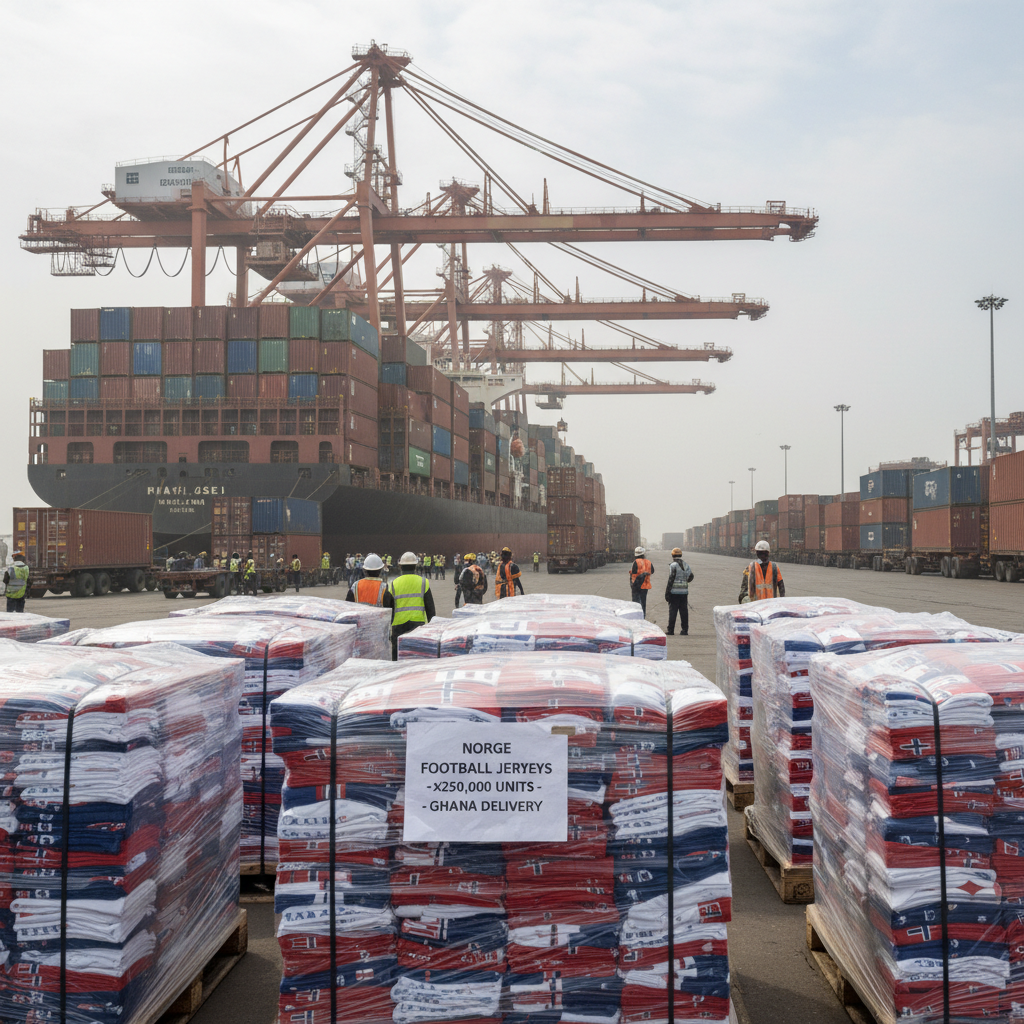
This situation reflects a broader trend of increased consumer spending on national team merchandise, particularly during major sporting events. It also shows the economic impact of star athletes. The NFF's commercial director, Runar Pahr Andresen, stated that demand from fans is "well beyond the forecasts." Order levels are at a record high this year. Retailers ordered around 250,000 jerseys this year. This compares to approximately 50,000 during the same period last year.
Runar Pahr Andresen told the BBC that the association had "never made more money" from jersey sales than it is currently. He explained that the amount produced is planned "long in advance." It proves challenging to significantly scale up manufacturing during an ongoing World Cup. Despite the robust sales, a Nike spokesperson acknowledged the disappointment among fans. Nike is working to improve availability, anticipating additional deliveries of the Home Match and Stadium jerseys soon.
The sell-out has led to a thriving resale market. The official Nike Norway 2026 Stadium Home Jersey retailed for £89.99 (USD 100) before selling out. It now sells for up to £355 (USD 476) on some resale sites. The blackout stadium away jersey, also originally priced at £89.99 (USD 100), is currently available for £231 (USD 310) on resale platforms. This secondary market activity indicates strong consumer willingness to pay premium prices for highly sought-after items. This situation will likely prompt sporting goods manufacturers to review their forecasting and supply chain strategies. They will aim to better capitalize on sudden surges in demand driven by sporting success. It will also highlight the significant revenue potential in sports merchandising for national associations.